
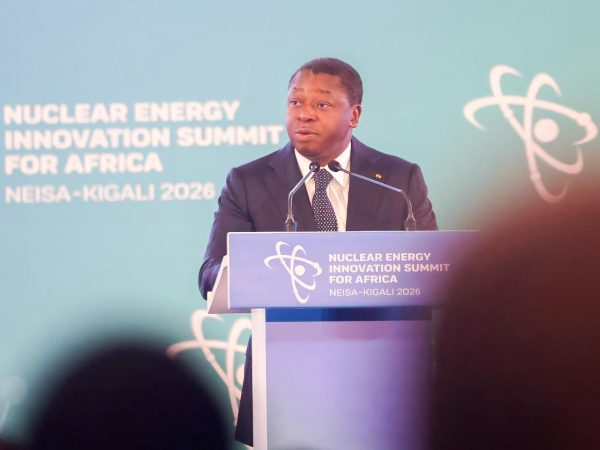
Kigali, May 20, 2026 — Against the backdrop of Kigali’s sleek convention center, global energy discussions pivoted between immediate power shortages and long-term industrial ambitions. On May 19, 2026, heads of state, nuclear energy specialists, investors, and international partners convened for the second edition of the Nuclear Energy Innovation Summit for Africa (NEISA 2026). The gathering underscores a growing continental resolve to reimagine Africa’s energy future.
Among the assembled leaders was Faure Essozimna Gnassingbé, representing Togo with a bold proposition: Africa must move beyond crisis management and invest in technologies capable of powering tomorrow’s economic transformation.
During his address, the Togolese president emphasized that African nations must proactively address the energy demands of rapid industrialization, population growth, and the digital economy. The summit’s technical and diplomatic exchanges revealed a shared continental conviction: without reliable, cost-effective, and sustainable energy, Africa’s industrialization ambitions risk stagnation.
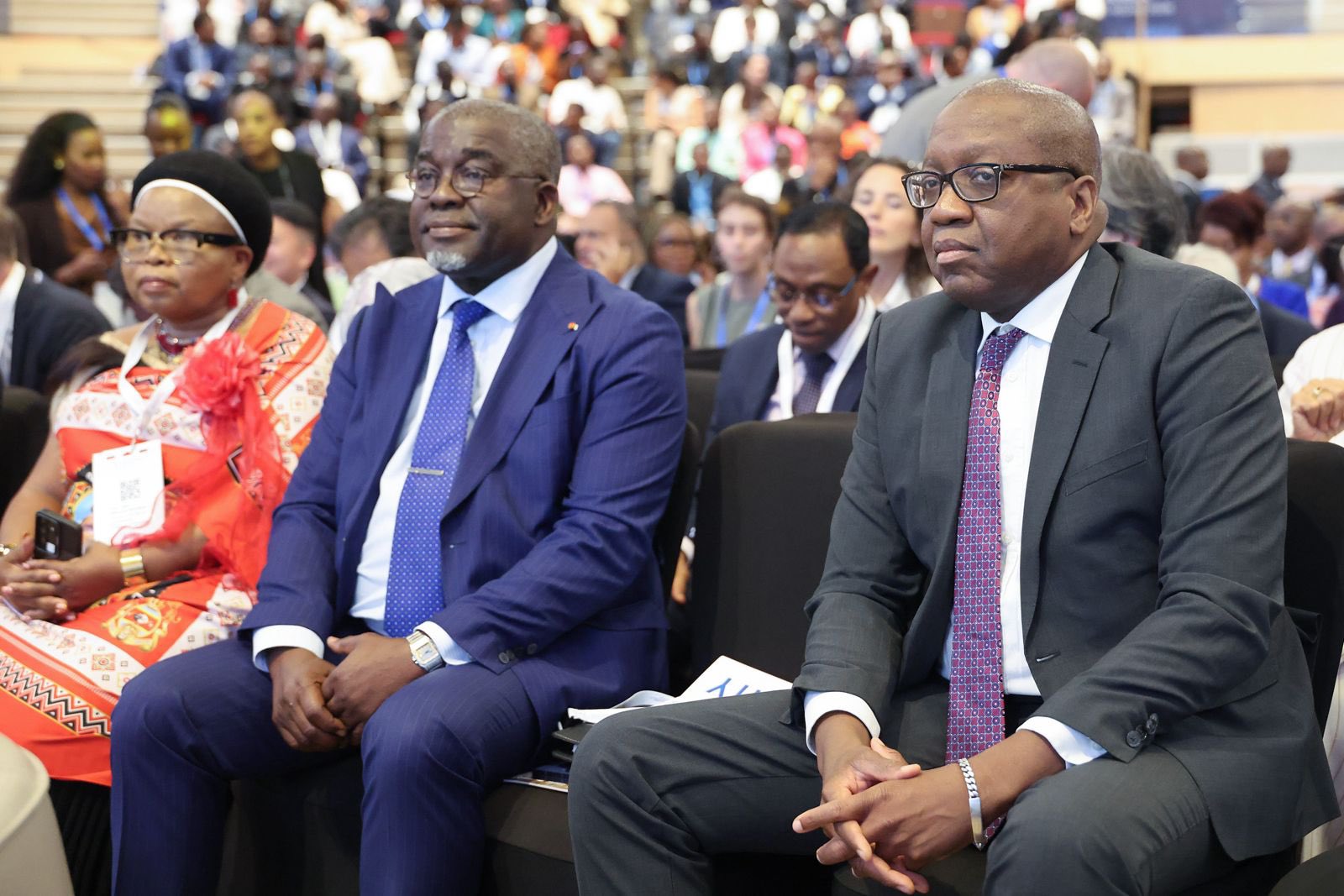
Nuclear energy emerges as Africa’s next frontier
At NEISA 2026, civil nuclear energy took center stage. Once deemed unattainable by many African nations due to cost and technical hurdles, nuclear power is steadily reclaiming its place in the continent’s energy strategy.
Delegates framed the issue not merely as an electricity challenge but as a cornerstone of industrial competitiveness, energy security, and regional sovereignty. Togo championed a forward-looking strategy centered on innovative partnerships, energy diversification, and stronger regional cooperation.
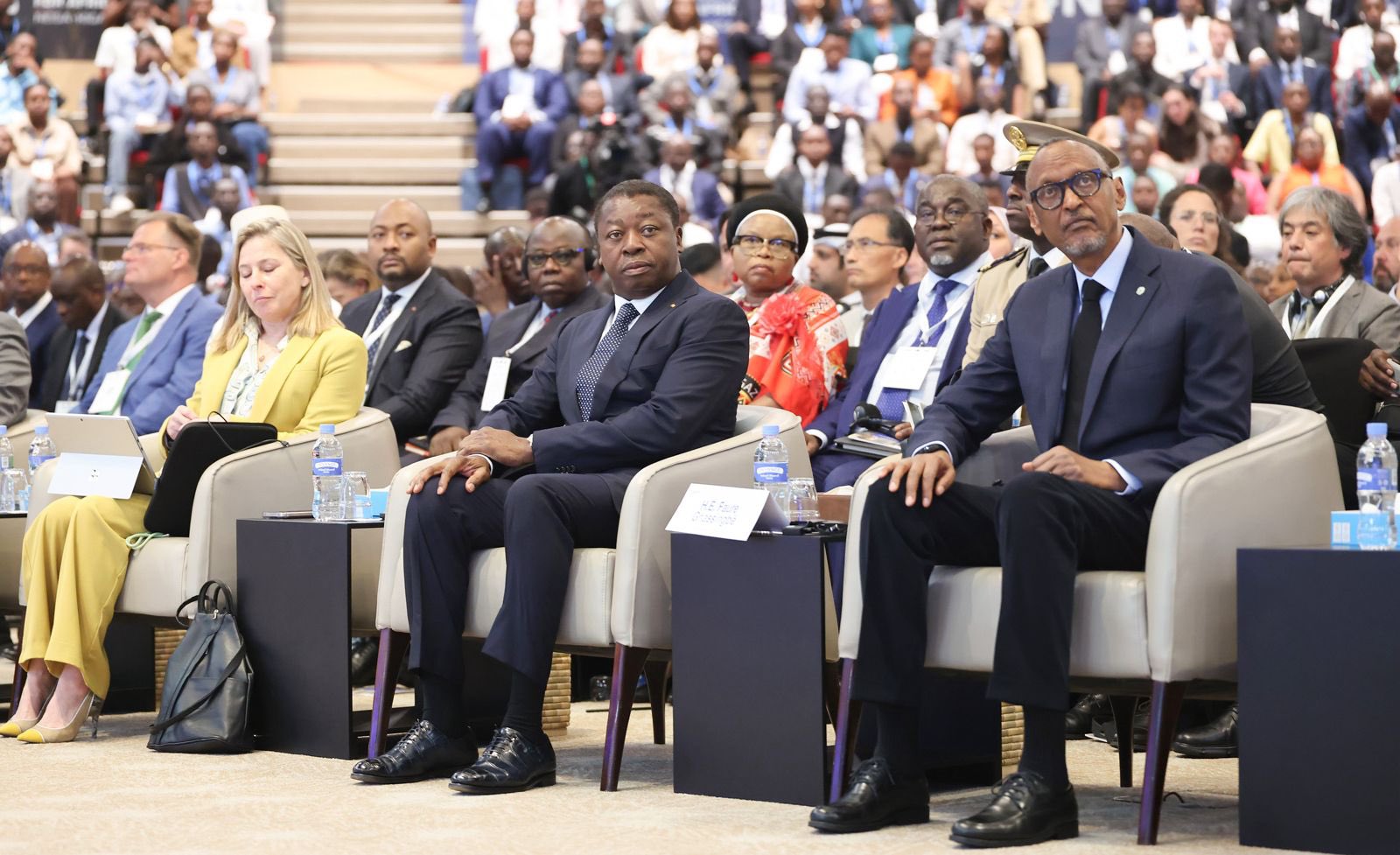
A Togolese blueprint built on cooperation and innovation
Faure Essozimna Gnassingbé’s Kigali agenda reflects a broader vision: turning energy access into an engine for economic transformation. Togo is positioning itself to attract international partnerships that deliver technical expertise, financing, and cutting-edge technology.
The summit also explored smart grids, energy transition financing, and local skill development—critical priorities for African economies facing surging energy demand. The discussions highlighted how long-term infrastructure and innovation can secure the continent’s competitive edge in a fast-evolving technological landscape.
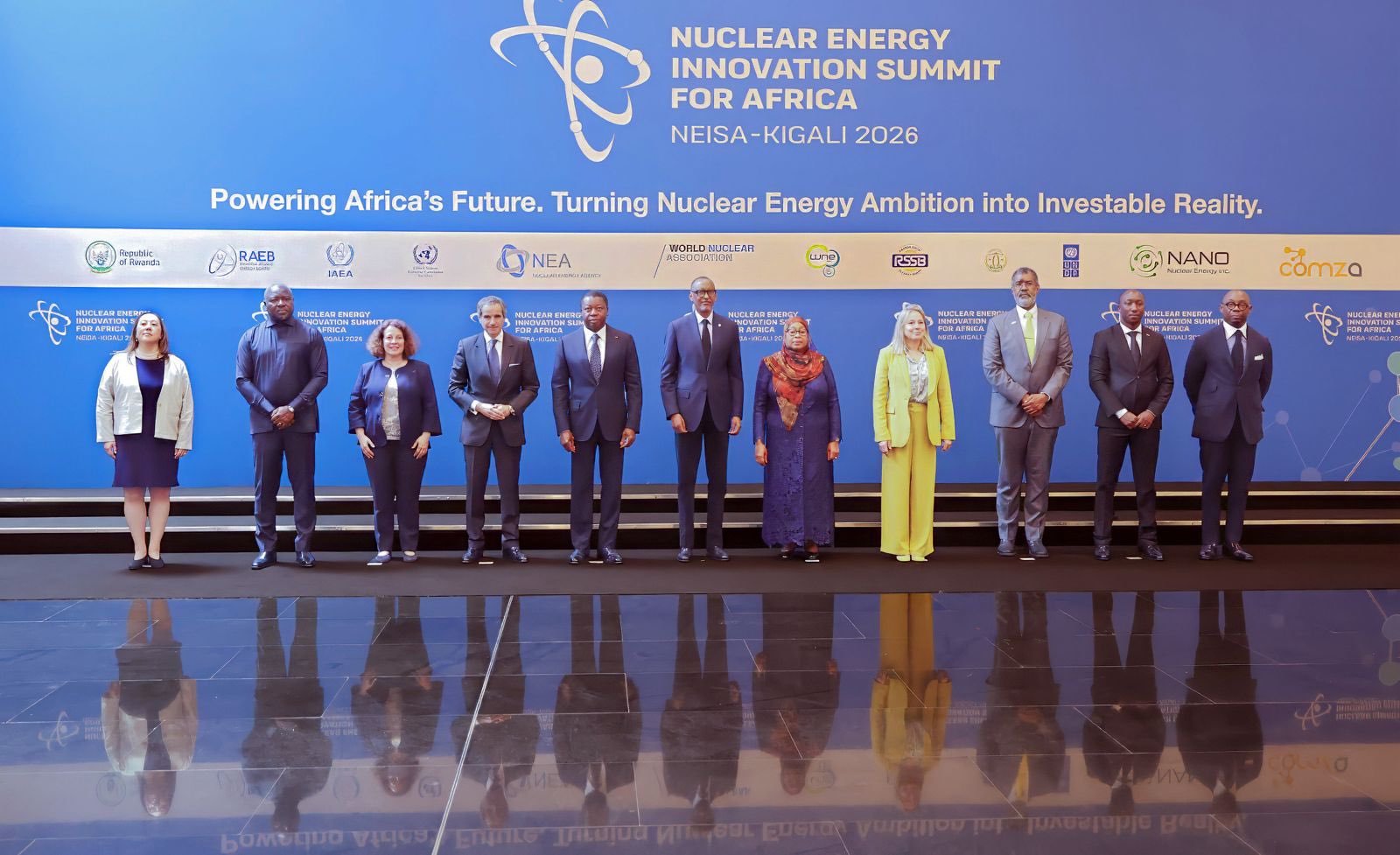
Kigali: a symbol of Africa’s proactive energy shift
Inside the NEISA 2026 conference halls, the mood was unmistakably forward-looking. Leaders agreed that securing Africa’s energy future now means committing to solutions that can sustain continental growth amid rapid global technological change.
Togo emerged as a vocal advocate for this continental transition, championing stronger intra-African cooperation, energy self-reliance, and openness to innovation. The summit crystallized a pivotal shift: Africa is increasingly determined to shape its own energy sovereignty on its own terms.