

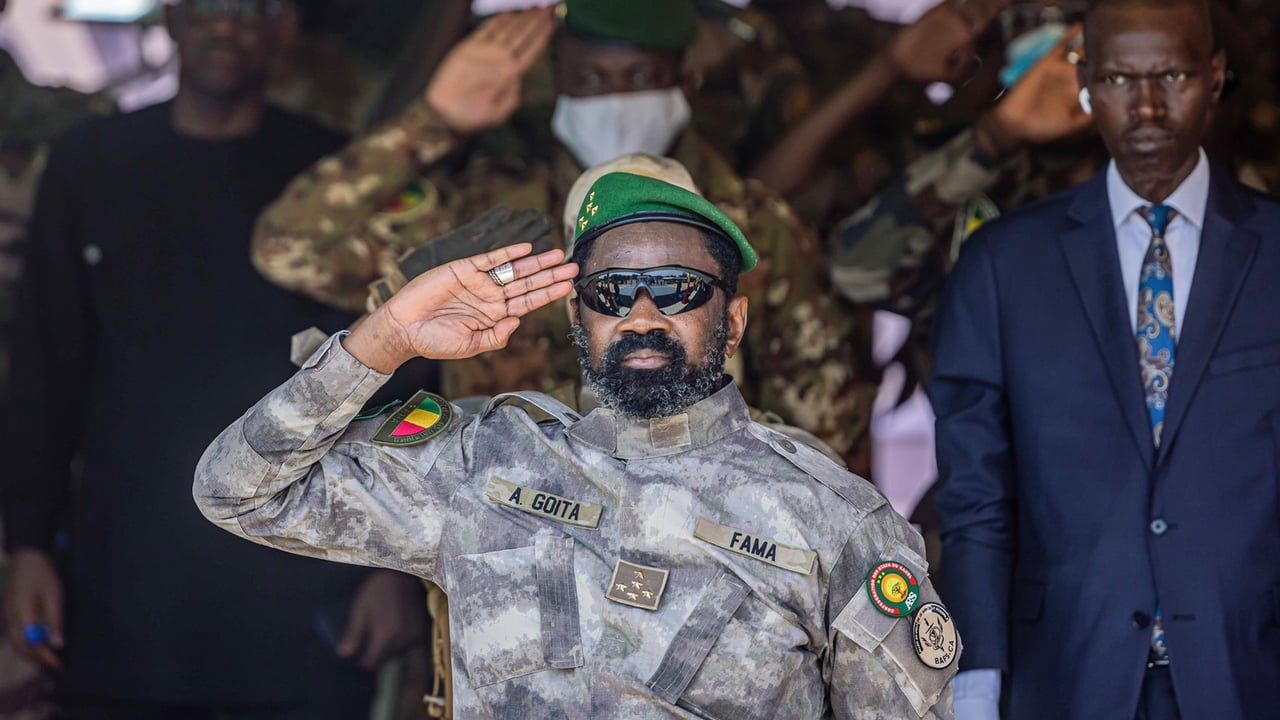

Assimi Goïta’s leadership under pressure in Mali’s volatile climate
Mali stands at a crossroads as Assimi Goïta, the nation’s transitional leader, navigates an increasingly fragile political landscape. The loss of Sadio Camara, his Defense minister and a key figure in the government, has intensified concerns about stability in Bamako and beyond.
From coup leader to transitional president
Assimi Goïta rose to prominence in 2020 when he led the military overthrow of then-president Ibrahim Boubacar Keïta. His subsequent appointment as vice president of the transitional government marked a shift from opposition to authority. Yet, Goïta’s journey has been anything but smooth. The sudden death of Camara during a state funeral in late April 2026 has underscored the fragility of his administration.
The passing of Sadio Camara, a staunch ally, has left a leadership void that few expected to emerge so soon. As Mali’s security situation remains precarious, the loss of such a pivotal figure raises questions about the government’s ability to maintain control in the face of persistent threats.
The shadow of instability
Mali’s political climate has been turbulent since Goïta’s ascent. His leadership has faced scrutiny from both domestic critics and international observers, particularly regarding the nation’s ongoing security crisis. The Jama’at Nusrat al-Islam wal Muslimin (JNIM) and other armed factions continue to challenge the government’s authority, despite military efforts to curb their influence.
Under Goïta, the transitional government has pursued a delicate balancing act—pledging to restore democracy while grappling with escalating violence. The death of Camara, a central figure in this strategy, has further complicated these ambitions. As Bamako mourns, the nation watches closely to see how the leader will respond to this latest crisis.
What comes next for Mali?
The loss of Sadio Camara is more than a personal tragedy; it is a geopolitical setback. The Defense minister played a crucial role in shaping Mali’s military response to insurgent groups. His absence leaves a leadership gap that could have far-reaching consequences for the country’s stability.
Assimi Goïta now faces a defining moment. With Mali’s transitional period already under strain, the challenge of uniting a fractured nation has never been more urgent. The coming weeks will reveal whether he can consolidate power or if the political turbulence will deepen.
Key takeaways
- Assimi Goïta continues to steer Mali through a precarious transitional phase.
- The death of Defense minister Sadio Camara has intensified concerns about government stability.
- Security threats from groups like JNIM persist, testing the administration’s resolve.
- Mali’s future hinges on Goïta’s ability to navigate political and military challenges in the months ahead.