
Diplomatic reset: Bénin’s president seeks to rebuild ties with regional neighbors
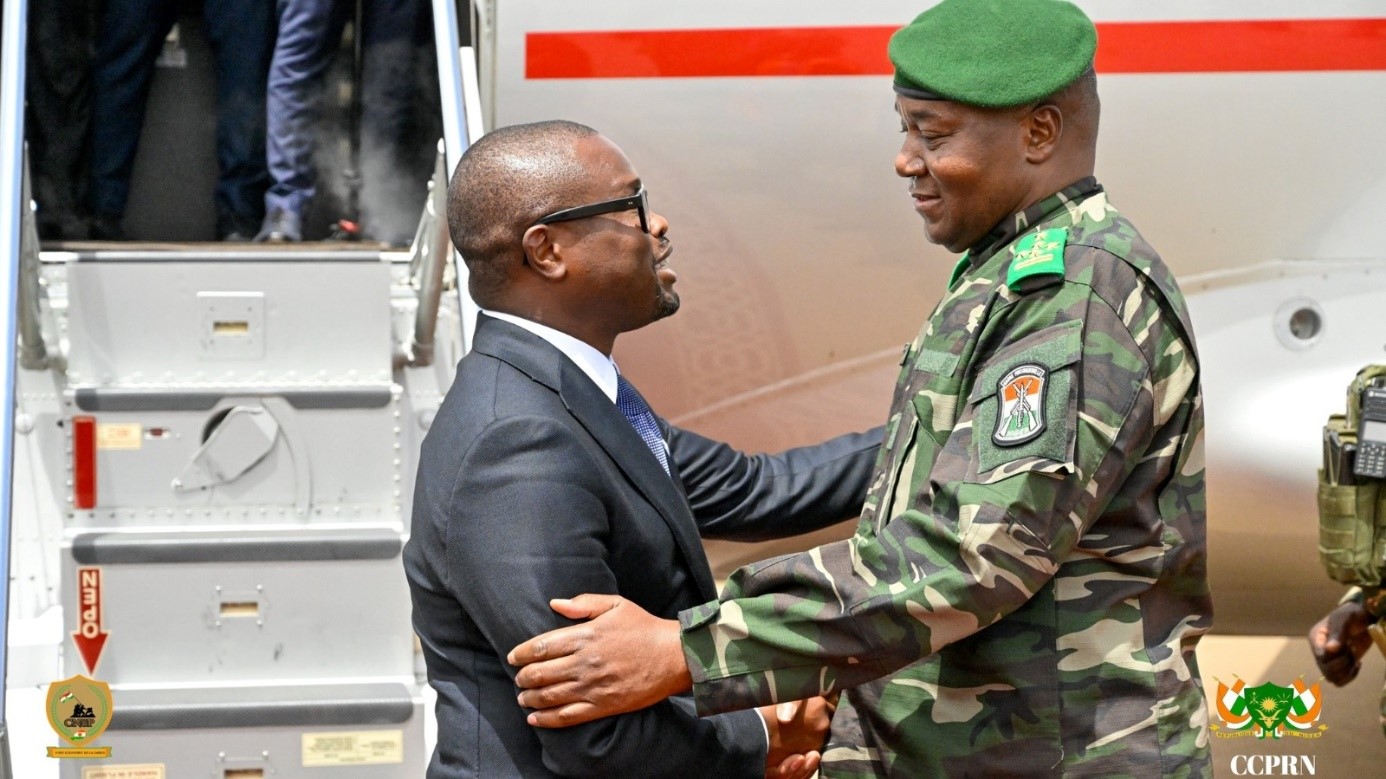
The newly elected President of Bénin, Romuald Wadagni, has launched an intensive diplomatic outreach across West Africa. Following high-level exchanges with Nigeria, the Bénin leader embarked on official visits to Niger and Burkina Faso—two neighboring countries facing significant geopolitical and security challenges. This regional tour marks a critical test of Wadagni’s foreign policy vision and his ambition to position Bénin as a proactive mediator in a rapidly shifting West African landscape.
A symbolic step toward Niamey
The visit to Niger carries deep symbolic weight. Since the July 2023 coup in Niamey, Bénin-Niger relations have been strained by political disagreements, border tensions, and disrupted trade flows. However, the changing of the guard in Cotonou presents an opportunity for dialogue. Observers point to the attendance of Niger’s Prime Minister at Wadagni’s inauguration as a gesture of goodwill, signaling a potential thaw in relations between the two nations.
By prioritizing early visits to regional partners, the Bénin president underscores a core principle: national stability cannot exist in isolation from regional dynamics. This pragmatic approach favors cooperation over confrontation, especially in a region marked by deep political fractures and shifting alliances.
Security cooperation at the top of the agenda
Amid escalating instability in the Sahel, the security dimension remains central to Wadagni’s diplomatic mission. Northern Bénin continues to face spillover threats from armed groups operating across porous borders with Niger and Burkina Faso. These volatile border zones remain hotspots for terrorist activity, demanding urgent regional coordination.
While Bénin’s foreign policy orientation differs from that of the Alliance of Sahel States, ground realities—such as the free movement of extremist groups across national boundaries—demand enhanced military cooperation and intelligence sharing. Wadagni’s challenge is to forge effective security partnerships that protect Bénin’s strategic interests and international alliances without compromising regional cohesion.
Reviving economic ties through regional integration
Beyond security, economic revival stands as a key pillar of this diplomatic tour. Niger remains one of Bénin’s most important commercial partners, particularly through the Cotonou port corridor that connects coastal nations to landlocked Sahelian states.
The diplomatic tensions of recent years have disrupted trade flows, reduced port revenues, and stifled business activity. A gradual normalization of relations could unlock new economic opportunities, streamline cross-border trade, and strengthen regional integration. With Nigeria, West Africa’s largest economy, discussions have focused on trade, energy, security, and regional integration—highlighting the strategic importance of this partnership.
A bridge between coastal and Sahelian blocs
This tour comes at a defining moment for West Africa, as divisions grow between members of the Economic Community of West African States (ECOWAS) and the Alliance of Sahel States. In this fractured environment, Bénin is uniquely positioned to act as a bridge. As both a coastal nation with strong ties to Nigeria and a neighbor to Sahelian states like Niger and Burkina Faso, Cotonou holds both geographic and diplomatic leverage to foster dialogue and reconciliation.
The success of this strategy hinges on the ability of regional leaders to move beyond entrenched political rivalries and embrace a shared vision of security and development. For Wadagni, this moment is more than a diplomatic tour—it is a first demonstration of his regional leadership and a commitment to making Bénin a stabilizing force in West Africa.
Opportunities and challenges ahead
This regional engagement opens promising avenues: restoring trust with Sahelian neighbors, reviving economic exchanges, and strengthening counter-terrorism cooperation. Yet formidable obstacles remain—governance disputes, national sovereignty concerns, and external geopolitical influences continue to cast shadows over inter-state relations. Public expectations are high, especially regarding security, employment, and sustainable development.
For President Wadagni, this diplomatic initiative represents a defining moment. It is not merely about restoring ties—it is about redefining Bénin’s role in a West Africa undergoing profound transformation. The choices made today will shape the nation’s future and its place in the regional and continental landscape.