
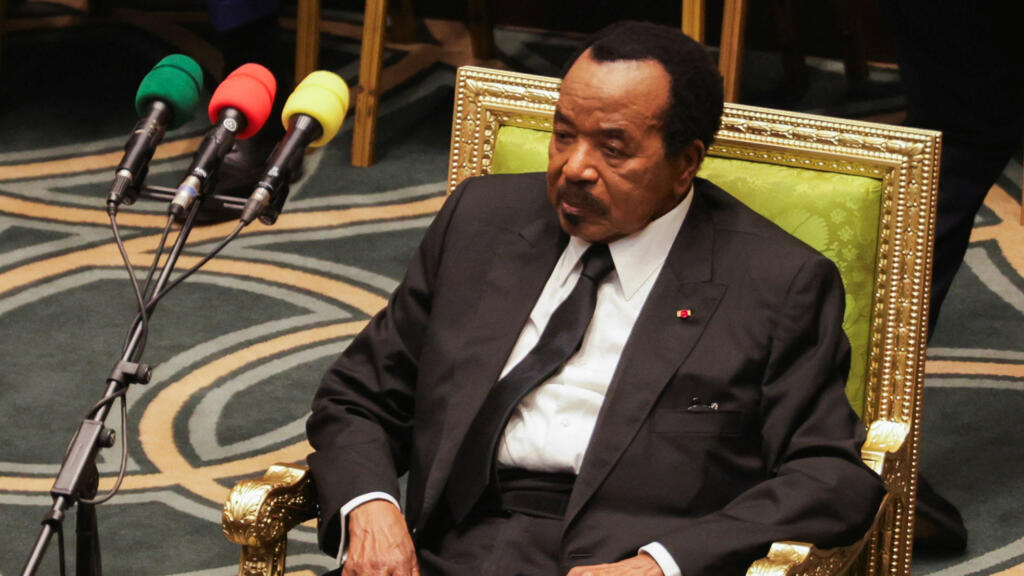
The Cameroonian government has just announced the appointment of fourteen new members to the Supreme Judicial Council, a move designed to restore the institution’s operational capacity after years of paralysis. This strategic body, chaired by the President of the Republic, has not convened in nearly six years, leaving the country’s judicial system severely impaired. The fresh appointments signal renewed hope for the reactivation of a key governance mechanism, one that plays a critical role in regulating and overseeing the judiciary.
The newly appointed members will serve a five-year term, and their arrival comes at a time when the legal community has been eagerly awaiting such a development. The prolonged inactivity of the Council has had far-reaching consequences, including the suspension of magistrate integrations for those completing their training. Hundreds of qualified professionals have been left in limbo, unable to assume their roles due to the prolonged shutdown of the institution.
Beyond the immediate impact on career progression, the judicial freeze has also stalled promotions within the bench and the public prosecutor’s office, creating bottlenecks in the management of judicial careers. The reopening of the Council is expected to unblock these critical processes, allowing for the advancement of qualified individuals and the restoration of normal judicial operations.
Observers also interpret these appointments as a possible precursor to further high-level changes. The political landscape has been marked by anticipation for months, particularly regarding the long-awaited formation of a new government and the yet-to-be-filled position of Vice President, created in April but still vacant.
Judicial revival after years of stagnation
The Supreme Judicial Council’s extended dormancy has not only delayed the integration of new magistrates but has also disrupted the functioning of the entire judicial apparatus. The absence of regular sessions has led to a backlog of career advancements, leaving many legal professionals in professional limbo. The reactivation of the Council is expected to address these pressing issues, enabling the judiciary to resume its essential role in upholding the rule of law.
With the new members now in place, all eyes are on the next steps. The Council’s first meetings will be closely watched, as they are poised to set the tone for a more dynamic and responsive judicial system in Cameroon.