
CAN 2025 verdict: how the CAF and the Court of Arbitration for Sport intervened
The African football landscape was rocked by a stunning development when the Confédération Africaine de Football (CAF) reversed its decision on the CAN 2025 final, stripping Sénégal of the title they had won against Maroc just two months prior.
In a statement released through its Appeals Jury, the CAF declared Sénégal to have forfeited the match, reassigning victory to Maroc with a 3-0 scoreline, despite the original final ending 1-0 in favor of the Senegalese side.
A shocking turn of events
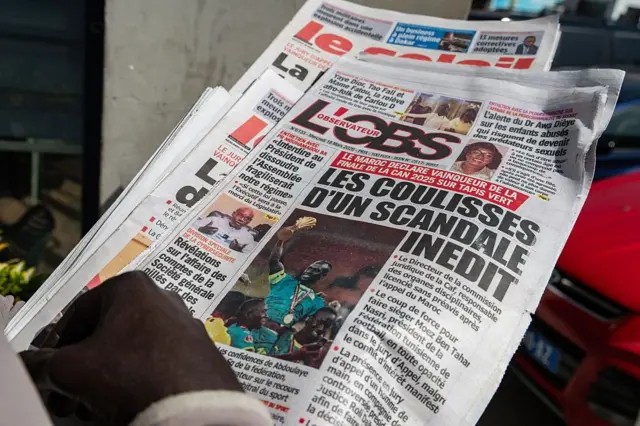
The decision sent shockwaves across the football world, dominating headlines in Sénégal’s press and sparking heated debates on social media. Fans expressed outrage over what they described as a “devastating verdict”, while international sports media dissected the CAF’s “bizarre timing”—two months after the final, the trophy handover, and post-victory celebrations.
Football analysts and pundits, including former international Samir Nasri, questioned the delay, remarking on Canal+ that if the issue was serious enough to warrant action, why not address it immediately rather than waiting for months?
What does the CAF communique say?
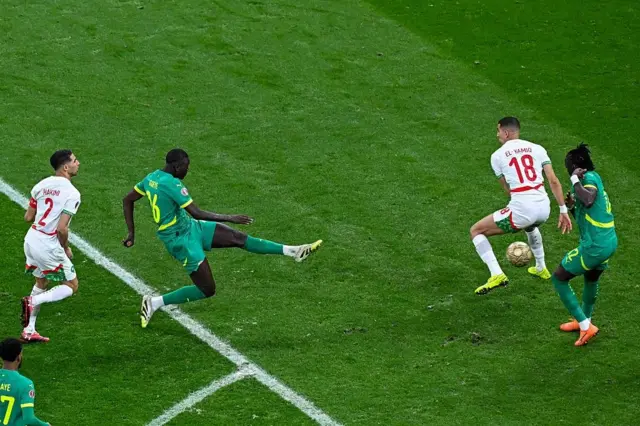
The CAF’s official statement cited Articles 82 and 84 of its regulations to justify the reversal. It declared that Sénégal’s national team had forfeited the final due to a violation of conduct rules during the match in Maroc.
The statement read: “The Appeals Jury of the CAF, in accordance with Article 84 of the CAN Regulations, has decided to declare the Senegalese national team forfeit in the final of the TotalEnergies CAF Africa Cup of Nations Morocco 2025. The result is officially recorded as a 3-0 victory for the Royal Moroccan Football Federation.”
The decision was rooted in the claim that Sénégal violated Article 82, which pertains to unsporting behavior, match abandonment, or refusal to play.
Breaking down CAF Articles 82 and 84
- Article 82: States that any team withdrawing from a match, failing to appear, refusing to play, or leaving the field prematurely without referee approval is deemed to have lost the match and may be disqualified from the competition.
- Article 84: Specifies that teams violating Articles 82 or 83 are excluded from the competition and lose the match 3-0. If the opposing team was already leading by a higher margin, that score stands. Additional measures may also be imposed.
- Article 83: Clarifies that a team not ready to play within 15 minutes of the scheduled kickoff is declared forfeit.
The Appeals Jury also annulled an earlier disciplinary decision, reinforcing the gravity of the infraction.
How CAF’s juridical bodies function
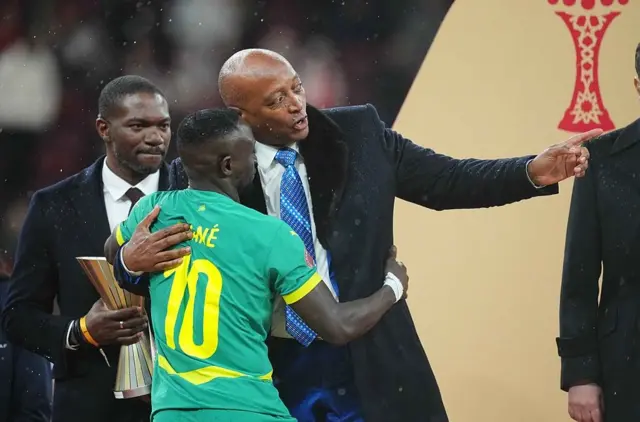
The CAF operates two key juridical bodies: the Disciplinary Commission and the Appeals Jury. The Disciplinary Commission serves as the first instance for sanctions related to ethical and sporting violations, while the Appeals Jury reviews appeals against its decisions.
The Disciplinary Commission examines referee reports, video evidence, and official complaints, and can impose suspensions, fines, or match forfeits. It convenes shortly after incidents to ensure swift justice and maintain the integrity of competitions.
The Appeals Jury, composed of nine members including representatives from Nigeria, Cape Verde, Tunisia, Togo, Malawi, Namibia, Mauritania, Djibouti, and the Democratic Republic of the Congo, handles appeals within six days of submission. Decisions are rendered after reviewing the appeal dossier and conducting hearings.
Why Maroc appealed and how the process unfolded
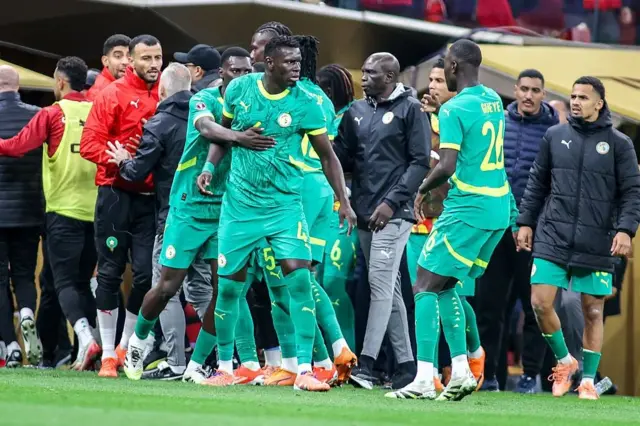
On February 3, the Royal Moroccan Football Federation (FRMF) announced its intent to appeal the sanctions imposed by the CAF Disciplinary Commission following the chaotic final on January 18, 2025. Maroc argued that the initial penalties were insufficient given the severity of the incidents, including the Sénégal team’s withdrawal from the pitch and fan disturbances.
The FRMF stated: “The sanctions imposed do not reflect the gravity of the events observed, including the abandonment of the field by players and staff, pitch invasions, and subsequent scenes of violence.”
Why Sénégal is challenging the decision at the TAS
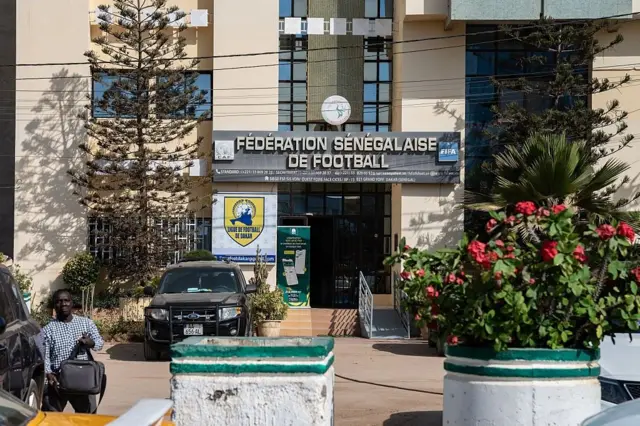
Facing the loss of their hard-earned title, the Senegalese Football Federation (FSF) has turned to the Court of Arbitration for Sport (TAS), the supreme authority for resolving international sports disputes. The federation has ten days to file its appeal, after which the TAS will determine the procedure.
The TAS, based in Lausanne, Switzerland, is an independent institution with a roster of approximately 340 arbitrators from 84 countries. It handles appeals from major sports federations, including the CAF, UEFA, and FIFA, ensuring impartial and transparent justice in global sports.
Arbitrators at the TAS are required to remain neutral and disclose any conflicts of interest immediately. While some procedures yield decisions in 24 to 48 hours, more complex cases can take weeks or even months.
The binding nature of TAS decisions
Decisions from the TAS are final and binding, with no further appeals permitted under most circumstances. The court states: “The award is final and binding, with no recourse possible under Swiss law or otherwise, provided the parties have waived their right to appeal in the arbitration agreement.”
As the case moves forward, the football world will be watching closely to see how the TAS interprets the events of CAN 2025 and whether justice is ultimately served for both Sénégal and Maroc.