
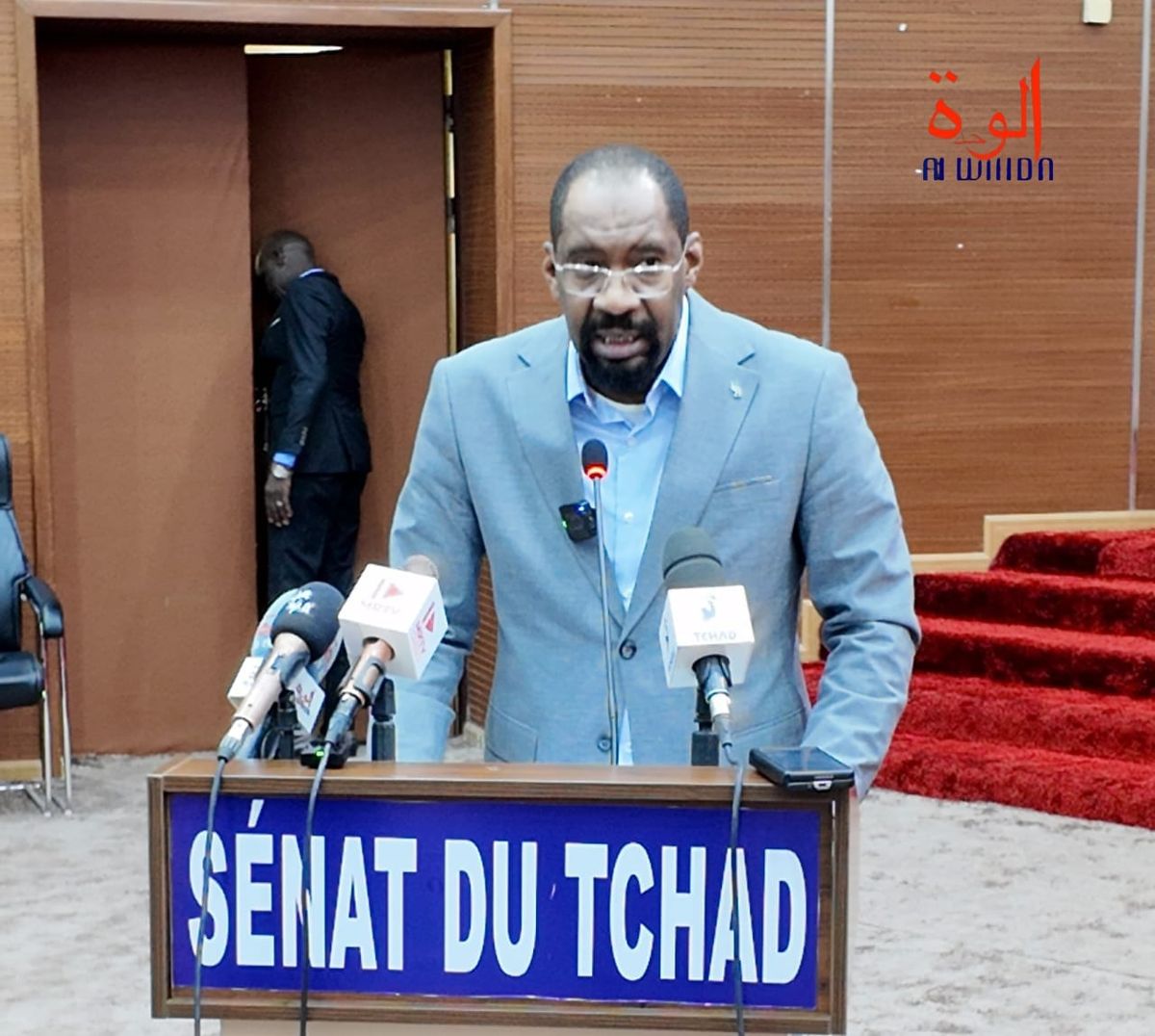
Chad security minister addresses rising communal violence in senate hearing
Chad’s Public Security Minister, General Ali Ahmat Aghabache, provided detailed insights into escalating communal violence and insecurity during a high-level senate session, outlining root causes and government responses.
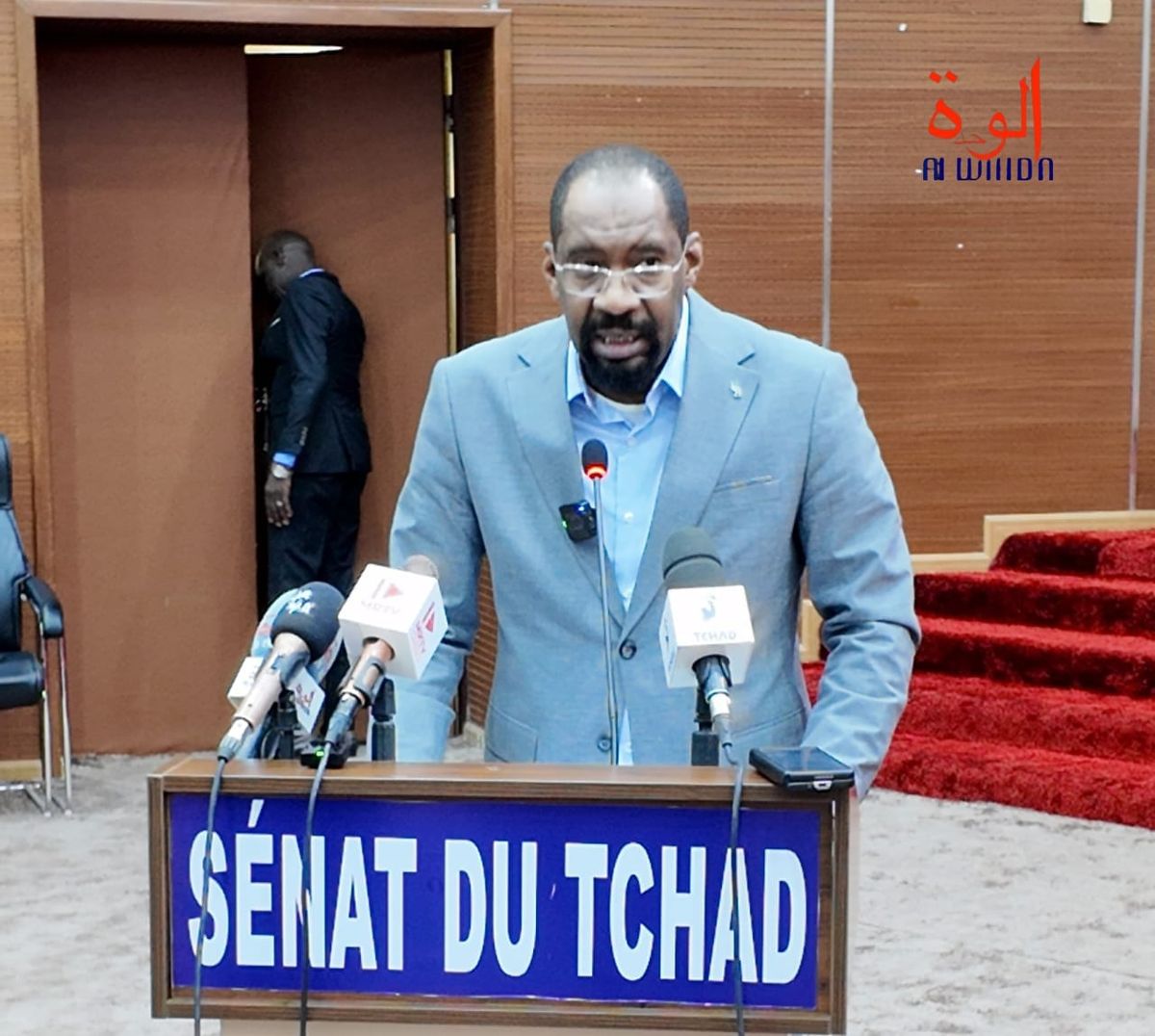
The Public Security and Immigration Minister, General Ali Ahmat Aghabache, addressed pressing concerns from senators on June 1, 2026, during a formal senate session led by Senate President Dr. Haroun Kabadi. The discussion centered on the persistent challenges of communal violence and insecurity across multiple provinces.
Senate President Dr. Haroun Kabadi opened the session by highlighting recent incidents, including deadly clashes in Mayo-Kebbi Ouest and Salamat in June 2025, as well as violent confrontations in Hadjar-Lamis on November 4, 2025. These events resulted in significant loss of life.
A particularly notable confrontation occurred on May 14, 2025, in Mandakao, Logone Occidental, involving farmers and herders. An agreement was subsequently signed on July 5, 2025, to address the dispute.
In response to Senator Mbaigolmen Sébastien’s oral question, General Aghabache acknowledged the deep-rooted causes of intercommunal conflicts, which often revolve around access to water, land disputes, and tensions between agricultural and pastoral communities. Before addressing the senators’ concerns, he paused to honor the victims of these conflicts, expressing solidarity with bereaved families and those injured in clashes across multiple provinces. He emphasized that the question should have focused not only on Logone Occidental’s Dougui department but also on other affected regions, including Mayo-Kebbi, Wadi, Sila, Bahr El-Ghazal, Salamat, and recently Wadi Fira. “We share the pain of the families of the victims and extend our deepest condolences to all those affected by these senseless acts of violence,” he stated.
The Minister reassured the senate that while Chad’s overall security situation remains stable, isolated pockets of unrest persist. “No nation on earth enjoys absolute security or is entirely free from violence,” he noted. He stressed that local tensions are often exacerbated by political manipulation and cannot be resolved through security measures alone. Instead, sustainable solutions require political and social engagement to address root causes.
The Minister outlined the key drivers behind the surge in violence and its persistence in various provinces:
- Resource-driven conflicts: Violence escalates during the rainy season in eastern, southern, and central regions due to livestock destroying crops. Disputes frequently escalate into retaliatory attacks rather than being resolved peacefully.
- Land and water scarcity: Climate change and drought in northern regions have reduced pastureland, forcing herders to migrate south. Meanwhile, population growth and expanding farmlands intensify pressure on agricultural and pastoral lands, fueling tensions.
- Lack of clear resource regulations: Unclear boundaries for grazing corridors, land rights, and farmland create legal vacuums that exacerbate disputes.
- Population growth: Rising demand for land, water, food, and grazing areas strains fragile ecosystems and local communities.
- Political exploitation of tribal identities: Some political actors manipulate tribal affiliations to mobilize support or gain personal advantage, deepening divisions.
- Ethnic diversity and tribal structures: Chad’s complex society includes over 200 ethnic groups, where tribal identity often overshadows national citizenship, weakening social cohesion.
- Regional spillover effects: The proliferation of small arms across borders has armed local communities with deadly weapons, intensifying traditional conflicts and their human toll.
- Historical land disputes: Conflicts over property rights and historical grievances contributed to 318 deaths and 315 injuries in 2025 alone.
Senators raised concerns about the most affected provinces, measures to reduce violence, and the spread of illegal firearms. While acknowledging the Minister’s efforts, they emphasized that much remains to be done.
General Aghabache called on local leaders, traditional authorities, and elected officials to prioritize community sensitization and promote peaceful coexistence to prevent further intercommunal violence. He also shared a progress report on law enforcement operations from 2024 to 2025, highlighting the seizure of over 4,000 firearms, the arrest of more than 1,300 bandits, and the interception of substantial quantities of illicit drugs.
Other issues discussed included kidnappings for ransom in Mayo-Kebbi Ouest, child abductions by the Boko Haram insurgency in Lac Province, and concerns over unidentified foreign nationals within Chad’s borders. Senator Mariam Ahmat Djamil raised alarms about the security risks posed by unregistered foreigners.
The Minister also addressed the establishment of new police stations to bolster security. Recent deployments in Abéché, Ouaddaï Province, have reportedly reduced insecurity in the area, demonstrating the government’s commitment to expanding law enforcement infrastructure.