
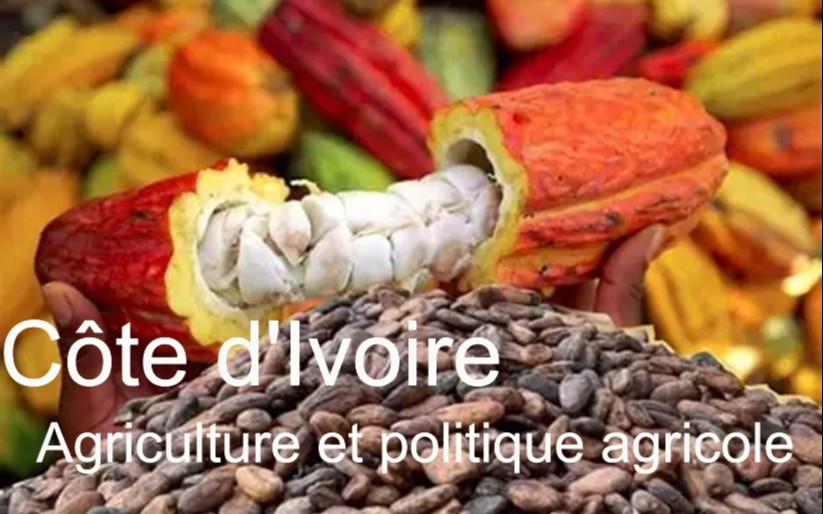
Côte d’Ivoire agriculture: how the sector fuels the economy
As one of West Africa’s most vibrant economies, Côte d’Ivoire has long relied on agriculture as its backbone. At independence, the sector accounted for nearly 50% of the country’s GDP. By 2024, its contribution had declined to 15.9%, yet agriculture remains the primary employer, engaging 46% of the workforce. The agricultural trade surplus also plays a pivotal role, representing 51.5% of the nation’s exports in 2025.
Rural areas face higher poverty rates, with 54.4% of the population living below the poverty line compared to the national average of 37.5%. Employment in these regions is predominantly agricultural, and around 90% of farmers fall within the lowest income bracket. In the cocoa sector—a cornerstone of the economy—60% of farmers earn less than the national poverty threshold, highlighting persistent challenges in income distribution.
While industrial and cash crops like cocoa, cashews, and natural rubber remain the driving force behind Côte d’Ivoire’s agricultural growth—making it the world’s top producer of cocoa and cashews and the third-largest producer of natural rubber—the country still depends heavily on food imports. Staples like cereals and fish, essential to urban diets, are largely sourced abroad. Meanwhile, local food production remains fragmented, largely informal, and often struggles to access formal markets.