
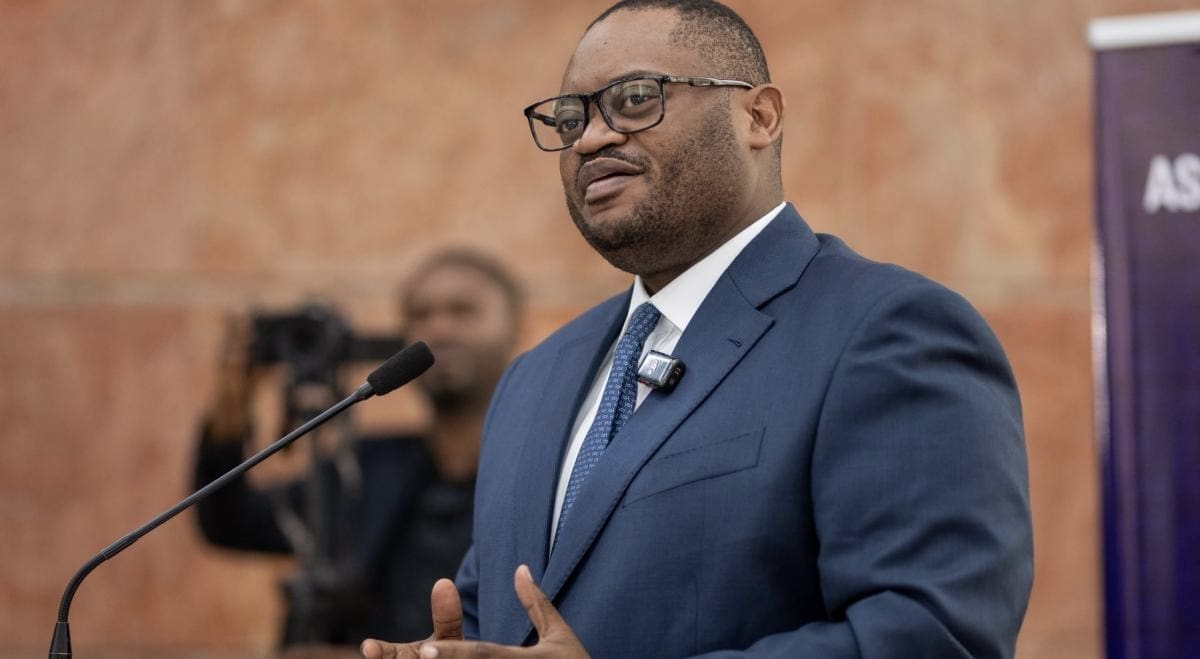
The Democratic Republic of Congo has officially become part of the Egmont Group, an international alliance of 170 financial intelligence units dedicated to combating illicit financial flows. This landmark move was announced by the Ministry of Finance, positioning Kinshasa alongside global partners in the fight against money laundering.
The Egmont Group facilitates secure information exchanges between member units, enabling real-time tracking of suspicious cross-border transactions. For the National Financial Intelligence Cell (CENAREF), this affiliation grants direct access to international networks, empowering authorities to investigate complex money trails. A notable example includes tracing capital flows from Kinshasa to Dubai—often called a global ‘money laundering hub’—before redirecting funds to European bank accounts.
For the Congolese government, this integration is more than symbolic. With support from the German Agency for International Cooperation (GIZ), authorities estimate the country loses approximately $9 billion annually to illicit financial activities such as money laundering, corruption, and illegal trade. These losses drain vital resources from public coffers, undermining health, education, and infrastructure funding.
Government risk assessments highlight pressing threats, including public fund embezzlement, corruption, and illegal mining activities. The mining sector, particularly artisanal gold, remains highly vulnerable due to opaque supply chains and weak traceability. Despite official exports of just 1.7 tons of artisanal gold in 2024 (valued at $128 million), experts suspect far greater volumes are smuggled—often routed through Rwanda and Uganda en route to Dubai and other international markets.