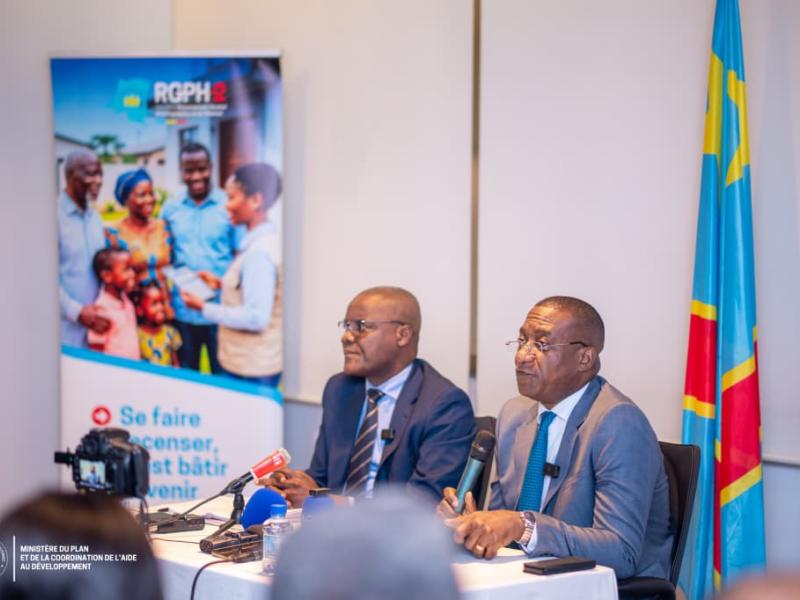
National census: Democratic Republic of Congo begins hiring agents for mapping phase ahead of 2027 population count
- Politics
The Democratic Republic of Congo is advancing toward its second General Population and Housing Census (RGPH-2), with the official recruitment of agents for the census mapping phase now underway. The actual population count is scheduled to begin in July 2027, marking a critical milestone in the country’s development planning.
Guylain Nyembo Mbwizya, Deputy Prime Minister and Minister of Planning and Development Coordination, announced the recruitment drive during a press conference on June 1, 2026. He emphasized the census’s role as a strategic tool for governance and national development, noting that reliable demographic data is essential for informed policymaking and resource allocation.
Why the census matters
The last national census in the DRC was conducted in 1984—over four decades ago. The United Nations recommends conducting a census every ten years to ensure accurate data for planning. The RGPH-2 aims to provide up-to-date statistics on population size, living conditions, and geographic distribution across the country.
“This operation will enhance precision in our data, improve the quality of information available, and strengthen governance,” Nyembo Mbwizya stated. “The census has always been a national priority. Today, all necessary conditions are in place to ensure its success without delays or quality issues.”
Phases of the census
The census process consists of four key phases. The current phase involves recruiting mapping agents who will delineate enumeration areas across the country. The next phases will include training, data collection, and analysis.
“Recruiting mapping agents is a crucial step in ensuring accurate and comprehensive coverage of the population,” Nyembo Mbwizya explained. “These agents will use geographic information systems (GIS) and other technologies to map out precise boundaries for enumeration areas.”
Recruitment criteria and deadlines
The government is seeking qualified candidates for various roles, including GIS specialists, ICT assistants, and trainers. The positions will be filled based on merit, with a strict evaluation process to ensure transparency and fairness.
“No favoritism, no fraud, and no discrimination will be tolerated,” Nyembo Mbwizya assured. “Candidates will be selected based on their qualifications and the clearly defined criteria outlined in the recruitment call.”
The application deadline is June 7, 2026. Interested candidates can submit their applications through the dedicated platform: recrutement.rgph.cd.
A national opportunity
Beyond gathering critical data, the census is seen as an opportunity to empower local youth and women by creating temporary employment opportunities. The government is particularly encouraging qualified young professionals and women to apply.
“This initiative will mobilize thousands of local talents to serve the nation,” Nyembo Mbwizya noted. “It is a chance for Congolese professionals to contribute to the country’s development.”
Financing and challenges
The total cost of the census operations is estimated at $192 million. While a portion of the funding has been secured, the government is actively seeking additional resources from technical and financial partners to ensure the census is completed without financial constraints.
A “Basket Fund” mechanism is being considered to pool contributions into a single fund dedicated exclusively to census activities. This approach aims to streamline resource mobilization and ensure efficient execution of the project.
Commitment to transparency
The government has reassured the public that the recruitment process will be conducted with the highest standards of integrity. Nyembo Mbwizya emphasized that the census is not just a data collection exercise but a national endeavor requiring the participation of all citizens.
“We need agents who are disciplined, committed, and driven by a sense of public service,” he said. “By launching this recruitment campaign, we reaffirm our determination to see this process through to completion.”
