
Gabon’s political transformation: a blueprint for africa’s institutional reforms
Libreville, Friday, July 10, 2026 – Three years following its significant political shift on August 30, 2023, Gabon is no longer merely a nation undergoing its own journey but has emerged as a compelling case study for other African states embarking on institutional transformations.
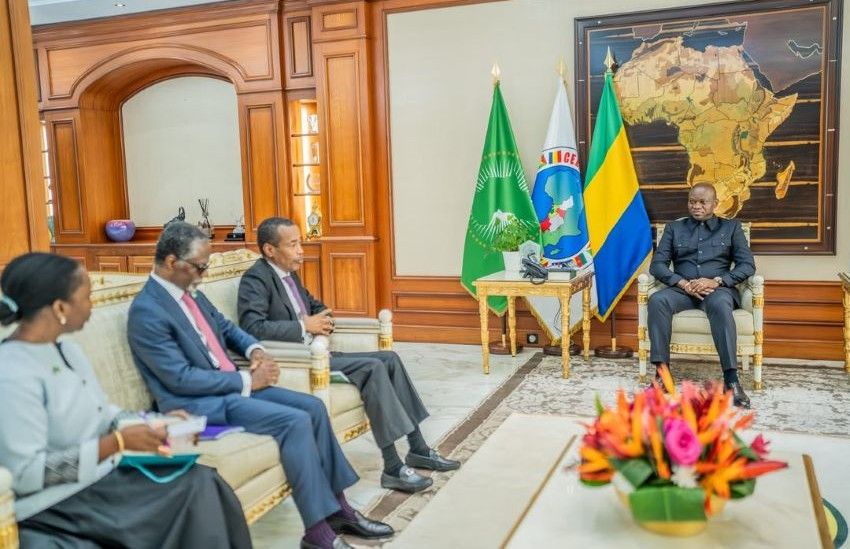
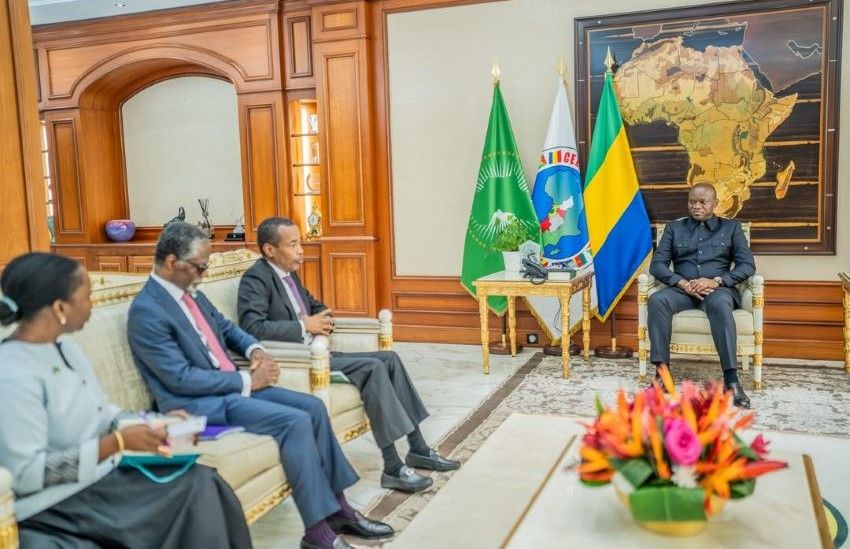
In Libreville, President Brice Clotaire Oligui Nguema recently welcomed a joint delegation from the African Union and the United Nations. Their mission was to draw insights from Gabon’s experience to assist Madagascar in its ongoing process of national refoundation. This visit carries profound symbolic weight, as it marks the first time in decades that a country transitioning from military rule in Africa has been highlighted by major international bodies as a source of exemplary institutional practices, potentially replicable across the continent.
Such recognition signifies a fundamental shift in how Gabon’s situation is perceived globally and initiates a fresh diplomatic chapter for Libreville.
From a monitored transition to a studied model
When military leaders, led by Brice Clotaire Oligui Nguema, assumed power in August 2023, the international community expressed concerns about the nation’s political trajectory. Prior African experiences often fueled worries of potential institutional deadlock or an indefinite extension of military authority. Yet, three years on, the narrative has demonstrably changed.
Representatives from the African Union and the United Nations, during their reception in Libreville, underscored several factors that set the Gabonese experience apart. Adherence to the timeline announced early in the transition stands out as a primary indicator of its success. This is complemented by the organization of an inclusive national dialogue, the implementation of vital institutional reforms, the overhaul of electoral mechanisms, and the sustained preservation of political and social stability throughout the entire process.
Gabonese authorities also emphasize the successful restoration of constitutional order, achieved through elections widely regarded as free, transparent, and credible by numerous international observers. In a continent where many transitions have unfortunately led to protracted crises or enduring institutional disruptions, Gabon’s path is now attracting considerable attention from regional and multilateral organizations.
Madagascar looks to Libreville
The mission to Libreville, spearheaded by Mohamed Idrissa Farah for the African Union and Parfait Onanga-Anyanga for the United Nations, directly aligns with this strategy of knowledge transfer. The visit by the special envoy of the Chairperson of the African Union Commission for Madagascar and the special representative of the United Nations Secretary-General to the African Union transcends a mere diplomatic exchange.
It underscores Gabon’s emerging influence in African discussions concerning political transitions, institutional reconstruction, and pathways back to constitutional legitimacy following periods of political upheaval. The Indian Ocean island nation of Madagascar seeks inspiration from Gabon’s journey.
Madagascar is currently advancing its own refoundation process under the leadership of President Colonel Michaël Randrianirina. The country is notably considering constitutional reform, initiating a national dialogue, and preparing for upcoming elections designed to solidify institutional legitimacy. These are all significant endeavors that Gabon has recently navigated successfully.
The selection of Libreville as a hub for these exchanges reflects the determination of African and international organizations to actively promote solutions developed within the continent itself. For several years, the African Union has championed the principle of
