
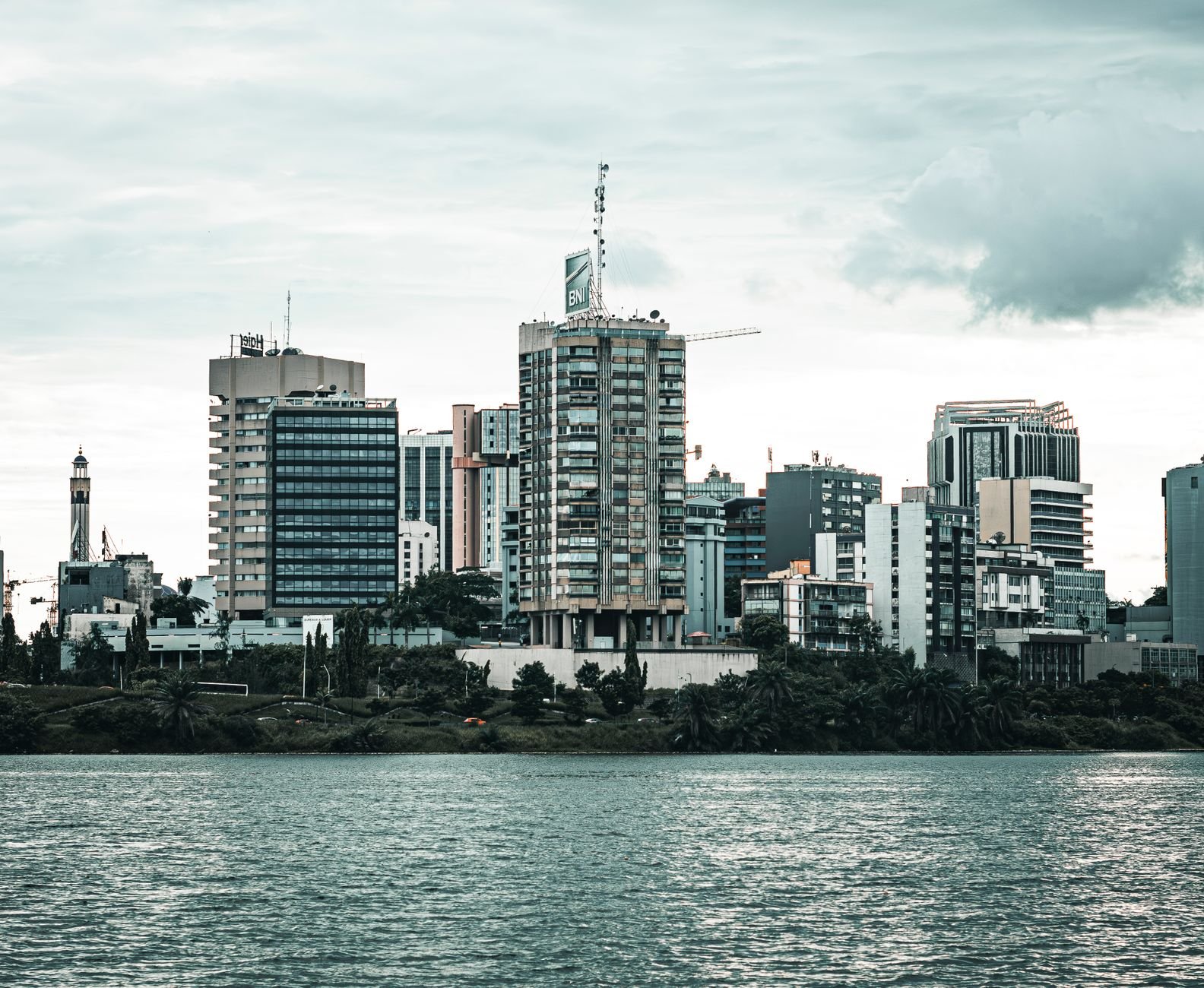
The Côte d’Ivoire continues to stand out as one of Africa’s fastest-growing economies, and the government is eager to showcase its achievements. Souleymane Diarrassouba, Minister of Trade, Industry, and SME Promotion, recently delivered a detailed overview of the country’s economic progress in Abidjan. This presentation served both an educational and political purpose, reinforcing the narrative of an Ivorian economy resiliently driven by industrialization, public investment, and diversified production.
Industrial transformation at the heart of economic strategy
The minister emphasized the urgent need to break free from the country’s historical reliance on raw material exports. As the world’s top cocoa producer, Côte d’Ivoire has shifted its focus toward local processing of agricultural resources, a priority now embedded in national economic policy. Diarrassouba highlighted progress in developing industrial zones, particularly in Abidjan, San Pedro, and Bouaké, positioning them as key drivers of competitiveness and job creation.
The government’s strategy also places strong emphasis on small and medium-sized enterprises (SMEs), which form the backbone of the Ivorian economy. Facilitating access to financing, promoting formalization, and supporting informal actors have been central to the ministry’s efforts. Multiple programs have been implemented to integrate informal businesses into the formal economy, a priority also echoed by multilateral financial institutions.
Infrastructure, investment, and regional competitiveness
The government’s economic review underscored significant investments in transport, energy, and logistics infrastructure. Ports, highways, and expanded electricity generation are cited as critical improvements that enhance the country’s appeal to international investors. These developments align with the objectives of the National Development Plan, a long-term roadmap guiding budgetary priorities.
Abidjan’s improving business climate reflects recent regulatory reforms, which have attracted foreign investment in agro-industry, logistics, and financial services. The Côte d’Ivoire aims to solidify its role as the leading economic hub within the West African Economic and Monetary Union (UEMOA), facing growing competition from neighboring countries like Senegal and Ghana.
While the minister’s presentation highlighted progress, independent analysts point to persistent challenges. Concerns include uneven economic benefits across regions, rising public debt, and the need for more inclusive growth. The International Monetary Fund has praised the country’s strong economic fundamentals but has urged gradual fiscal consolidation to ensure long-term stability.
A strategic communication push ahead of key political milestones
The timing of this economic review is deliberate. With major political events on the horizon, the administration of President Alassane Ouattara is leveraging ministerial statements to highlight its economic achievements. Diarrassouba’s presentation is part of a coordinated effort to shape public perception and reassure international partners about the country’s economic governance.
For investors and financial analysts, the stakes extend beyond rhetoric. The Côte d’Ivoire’s ability to sustain growth, manage external shocks, and advance industrial modernization will heavily influence its borrowing costs and access to global capital markets. Upcoming budget decisions—particularly on public investment and subsidy adjustments—will be pivotal in validating the government’s economic narrative.
In a region where economic rivalry among West African capitals intensifies, Abidjan is leveraging both economic and diplomatic strategies. The minister’s presentation underscores the country’s commitment to reinforcing its position as a preferred investment destination in West Africa.