
Libreville’s waterfront revival drives Gabon’s urban transformation
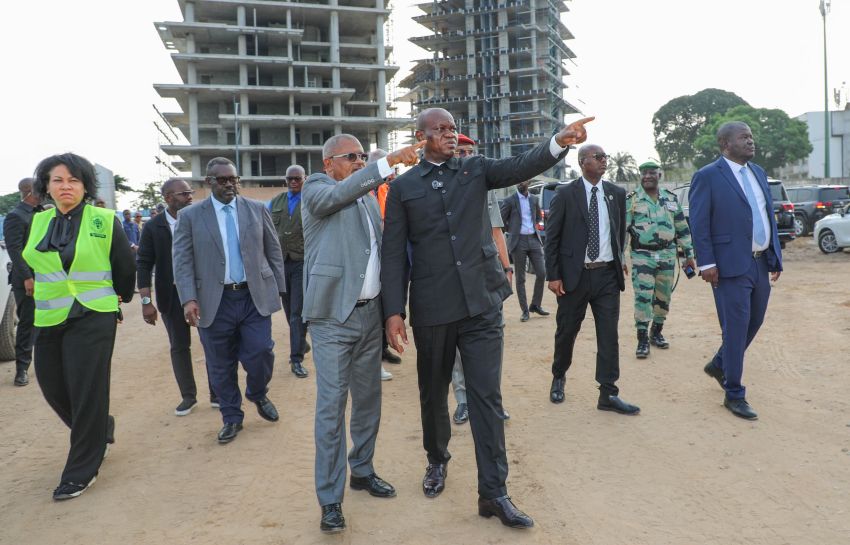
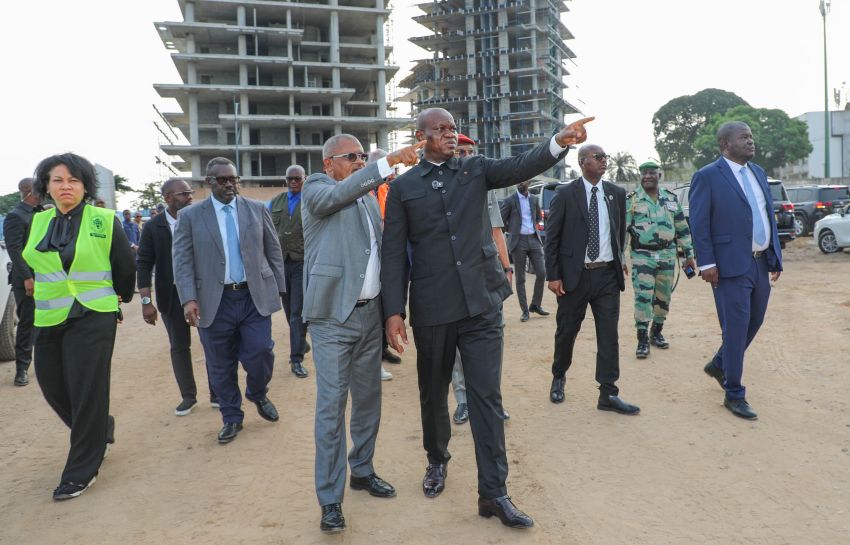
Libreville, June 11, 2026 — President Brice Clotaire Oligui Nguema’s surprise visit to the capital’s waterfront construction sites has underscored his administration’s commitment to turning Gabon’s coastline into an engine of economic growth and urban renewal.
Transforming vision into tangible progress remains the hallmark of effective leadership. In Libreville, the shoreline is rapidly becoming the most visible testament to this principle. Just hours after launching a fleet of 200 new taxis under the Taxi Gab initiative, the Head of State personally inspected the sprawling waterfront projects that promise to redefine the city’s landscape and economic prospects.
This unannounced inspection highlighted the administration’s hands-on approach to monitoring critical infrastructure, emphasizing its dedication to staying grounded in the realities of the nation’s development.
Redefining urban landscapes through strategic infrastructure
The presidential tour began at the Gué-Gué Bridge, where a sleek new mixed-use building is taking shape. Developed by Mika Service under Alain-Claude Kouakoua’s leadership, this modern complex will house both commercial offices and residential apartments, signaling a shift toward forward-thinking urban planning in Libreville.
More than just architectural innovation, this project reflects a broader ambition to position the capital as a magnet for investment, business expansion, and high-value service sectors. The choice to arrive at the site in a Taxi Gab driven by a female operator was deliberate, reinforcing the government’s commitment to inclusive economic policies that empower citizens.
Harnessing the coast for economic and social progress
The inspection then moved to the sprawling coastal redevelopment project stretching from Gué-Gué Bridge to the Baie des Rois. Ranked among Libreville’s most ambitious undertakings, this initiative aims to create a vibrant, multi-functional waterfront that blends leisure, tourism, economic activity, and environmental stewardship.
Globally, waterfront districts are proven catalysts for private investment, job creation, and urban rebranding. By outlining key directives to maximize the future utility of this strategic zone, the President has made clear his intent to position Libreville on the map of competitive, sustainable urban centers.
Yet with great ambition comes responsibility. During the visit, the President underscored the need for stringent measures to protect these investments, urging municipal authorities to escalate public awareness campaigns on cleanliness, waste management, and respect for public spaces.
Local entrepreneurship as a pillar of national growth
A standout moment came when the President engaged with a Gabonese entrepreneur developing recreational and service facilities for waterfront users. This interaction highlighted a pivotal shift in public policy: infrastructure is no longer seen solely as state-led projects but as platforms for local businesses to innovate, create jobs, and contribute to shared prosperity.
The dialogue between the President and citizens gathered at the site further illuminated this vision—a future where public spaces are enhanced, quality of life improves, and economic opportunities are widely accessible.
This inspection reaffirms a governing philosophy that has come to define the current administration: diligent project oversight is not mere protocol, but a vital tool for steering national transformation. Along the shores of Libreville, a new chapter is being written—not just in concrete and steel, but in ambition, opportunity, and national pride.