

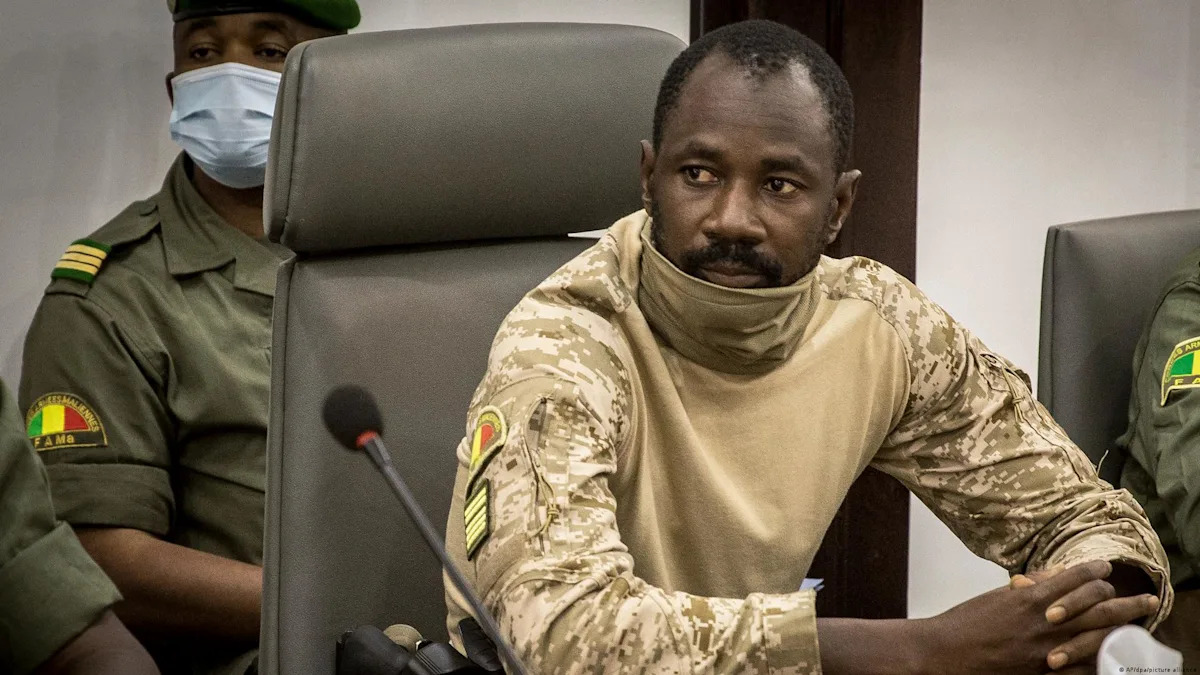
Five years under military rule: how Assimi Goïta’s coup reshaped Mali’s future
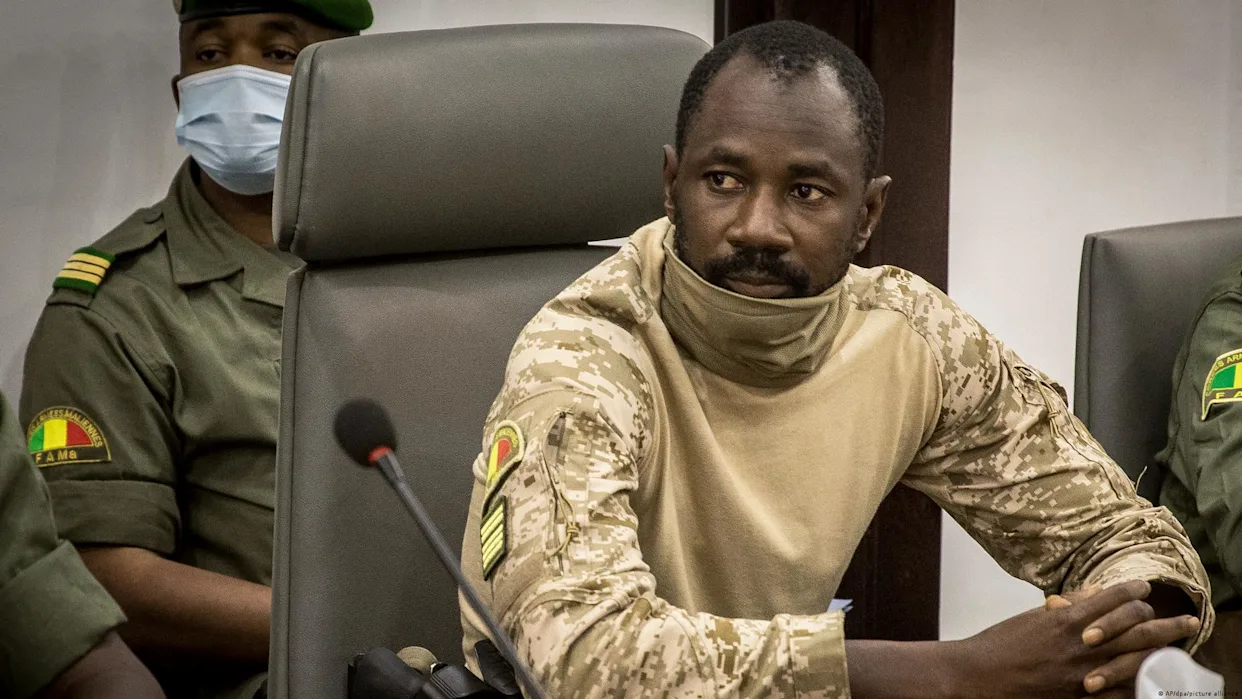
Five years ago, on 24 May 2021, General Assimi Goïta seized power in Mali through a coup d’état. Since then, the country has faced a cascade of challenges: declining security, shrinking civic freedoms, and mounting repression against dissent.
Growing repression and eroding freedoms
Public criticism of the government is no longer commonplace. While private conversations among trusted individuals may still allow for open debate, the atmosphere of fear has intensified. Critics are routinely jailed; others flee into exile. The space for free expression has narrowed significantly under military rule.

Security: promises broken, violence unabated
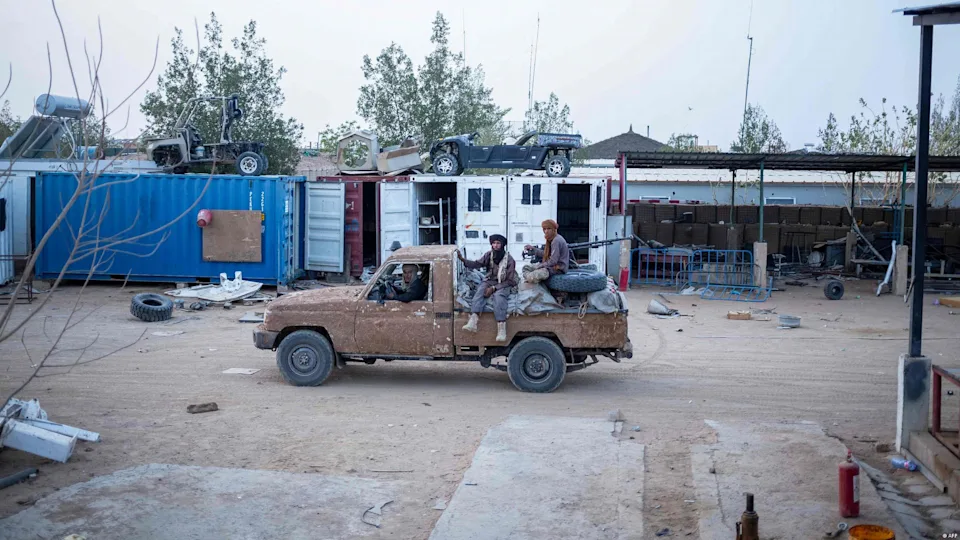
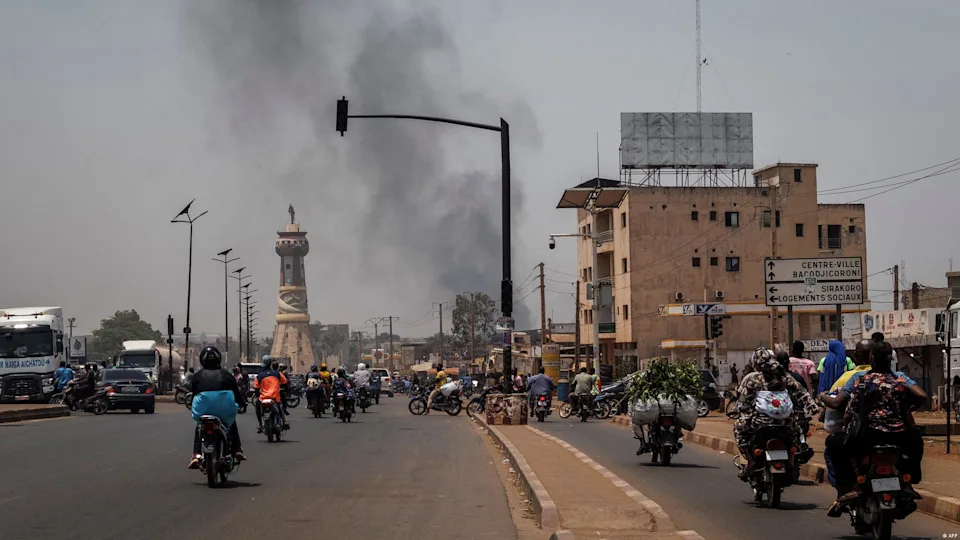
When the junta took control in 2021, it vowed to crush jihadist groups. Yet today, the Jama’at Nusrat al-Islam wal Muslimin (JNIM) and the Islamic State in the Greater Sahara (ISGS) control vast areas of northern and central Mali. Recent coordinated attacks in late April—led by jihadists in tandem with Tuareg rebels—marked the most serious breach of state authority since 2012. While the government survived, it lost ground in key northern regions, dealing a heavy blow to its legitimacy.
Foreign partners: more rhetoric than results
Russia’s Wagner Group initially promised to bolster Mali’s defenses. Yet its forces—estimated between 1,500 and 2,000 mercenaries—have achieved little. Their heavy-handed tactics have often worsened local tensions. In a humiliating retreat, Wagner withdrew from strategic towns like Kidal without a fight, leaving the Malian army exposed. Meanwhile, neighbors in the Alliance of Sahel States—Niger and Burkina Faso—pledged air support but delivered little on the ground. With their own insurgencies raging, neither country possessed the capacity—or willingness—to send meaningful reinforcements.
Alliance of Sahel States: unity without resources
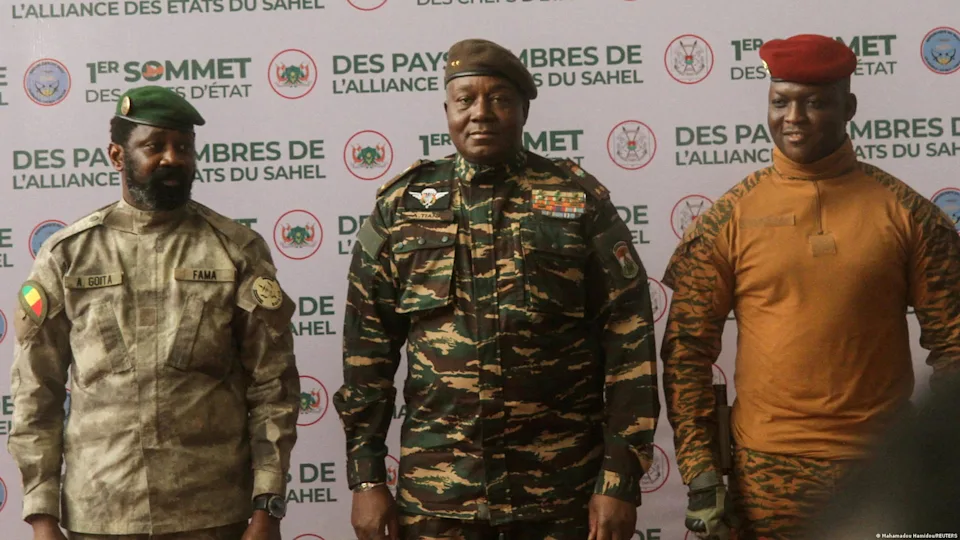
The Alliance of Sahel States—comprising Mali, Burkina Faso, and Niger—has strengthened political ties and shared anti-colonial rhetoric. Yet beneath the rhetoric lies a harsh reality: these are among the world’s poorest nations, struggling to meet their citizens’ basic needs. Their combined militaries lack the training, equipment, and funding to counter the jihadist threat effectively. Shared ideology does not translate into shared capability.
The people’s dilemma: no good choices
Ordinary Malians are trapped between extremes. They reject the imposition of sharia law in Bamako. Yet they also distrust the old political elite, long accused of corruption and close ties to former colonial powers. After the late-April attacks, no mass protests erupted—not because people support the junta, but because they fear what might replace it. A change in leadership, many believe, could bring even stricter Islamic rule. For now, the military government retains a fragile base of support, buoyed by the absence of viable alternatives.
Youth and information: a landscape of disillusionment
With an average age of just 15, Mali’s population is overwhelmingly young. Many have never attended school and consume news primarily through social media—a platform rife with propaganda, including false narratives spread by foreign actors to shore up the junta. Despite growing discontent, outright resistance remains limited. When fuel shortages paralyzed Bamako last autumn, no protests materialized. The population, it seems, has resigned itself to survival under the current leadership, preferring it to the alternative of jihadist rule.
The path forward: military force and cautious dialogue
Jihadist groups like the JNIM are not external invaders—they are locals exploiting grievances over land, water, and governance. While military action remains essential, sustainable peace may require engagement with more moderate factions. Historical precedents, such as Mauritania’s approach—combining force with negotiated compromises—suggest that partial concessions on religious practice could help stabilize the country. Once security improves, the state can focus on rebuilding institutions and delivering services.
What do Malians truly want?
They want stability. They want to avoid the brutality of jihadist rule. And they want leaders who can deliver basic services—not just promises. For now, the junta’s grip on power appears secure, not because people love it, but because the alternatives seem even worse. Yet time is running out. With each passing day of insecurity and economic stagnation, frustration grows. The question remains: how long can a government survive on fear and inertia before the people demand real change?