

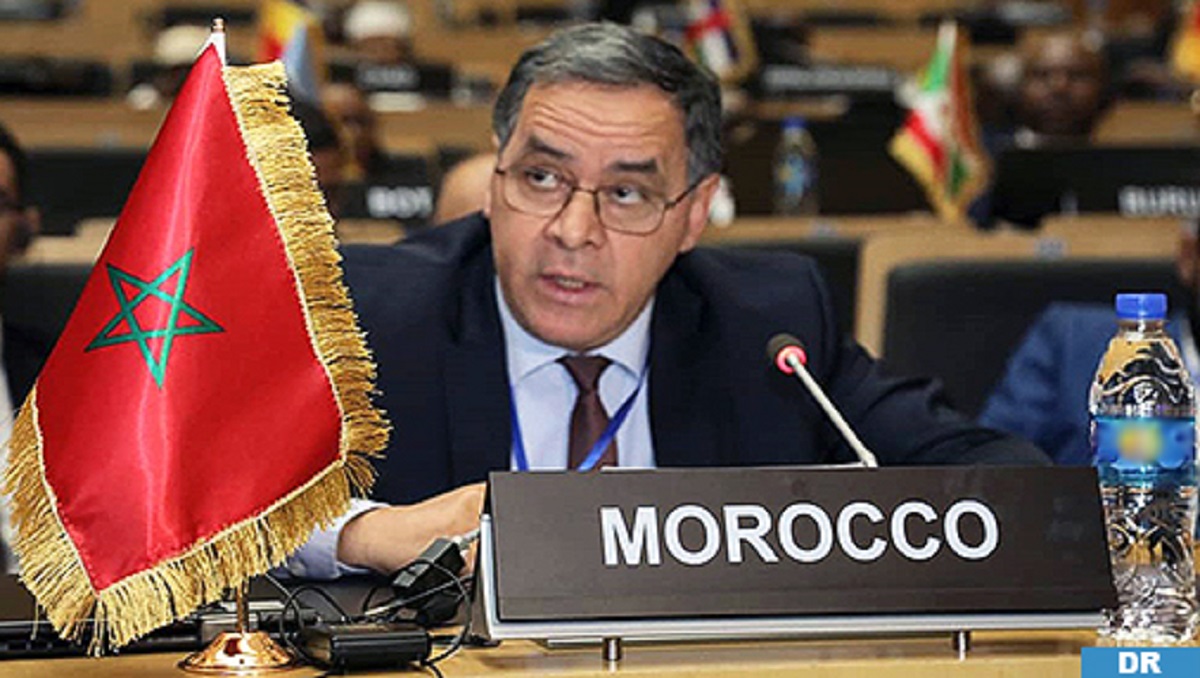
Morocco highlights the Skhirat agreement as essential for Libyan stability
During a session of the Peace and Security Council of the African Union, Morocco once again championed a diplomatic resolution to the ongoing situation in Libya. Ambassador Mohamed Arrouchi, representing the Kingdom, utilized this platform to underscore the vital importance of dialogue and national harmony among Libyan stakeholders.
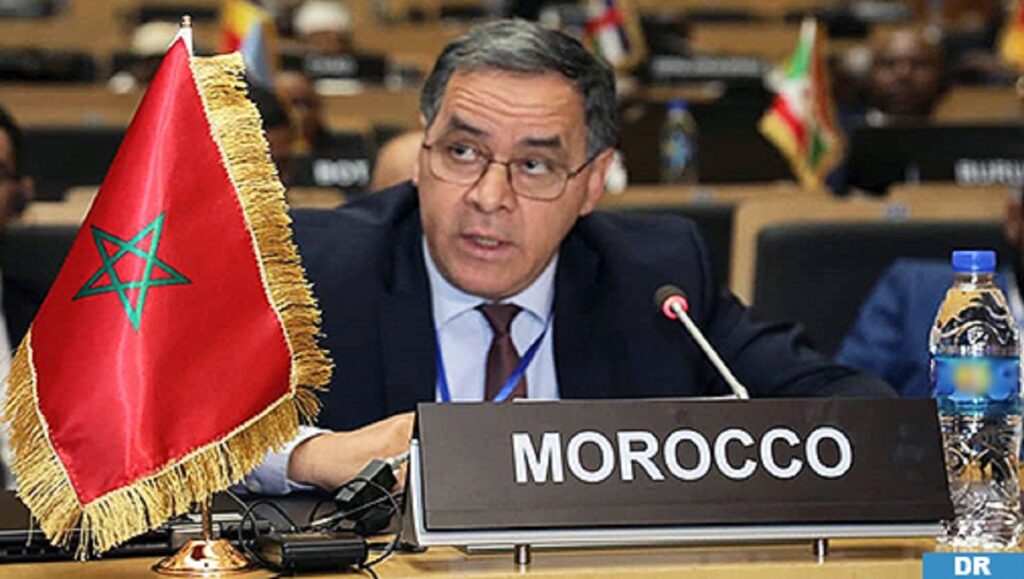
The Skhirat Agreement, established in late 2015 under United Nations supervision, was identified as a cornerstone for any lasting peace. Arrouchi maintained that this framework, alongside the Bouznika understandings, provides the necessary roadmap to protect Libya‘s territorial integrity and sovereign rights.
Diplomatic milestones and regional cooperation
The Kingdom’s representative pointed to recent progress, including the landmark discussions in Tripoli and Zenten. These efforts culminated in an agreement signed in early 2026 between delegates from the Government of National Unity and authorities from eastern Libya. Such milestones demonstrate the effectiveness of peaceful negotiation over armed conflict.
Furthermore, Morocco expressed its support for the African Union‘s broader initiatives to foster security and stability across the continent. By facilitating rapprochement between various factions, the Kingdom remains dedicated to a political transition that adheres to international law and avoids the pitfalls of military intervention.
In his address, the ambassador reiterated that the path forward must remain focused on a political settlement. This approach, rooted in the Skhirat legacy, is essential for ensuring that the Libyan people can achieve a future defined by unity and institutional stability.