
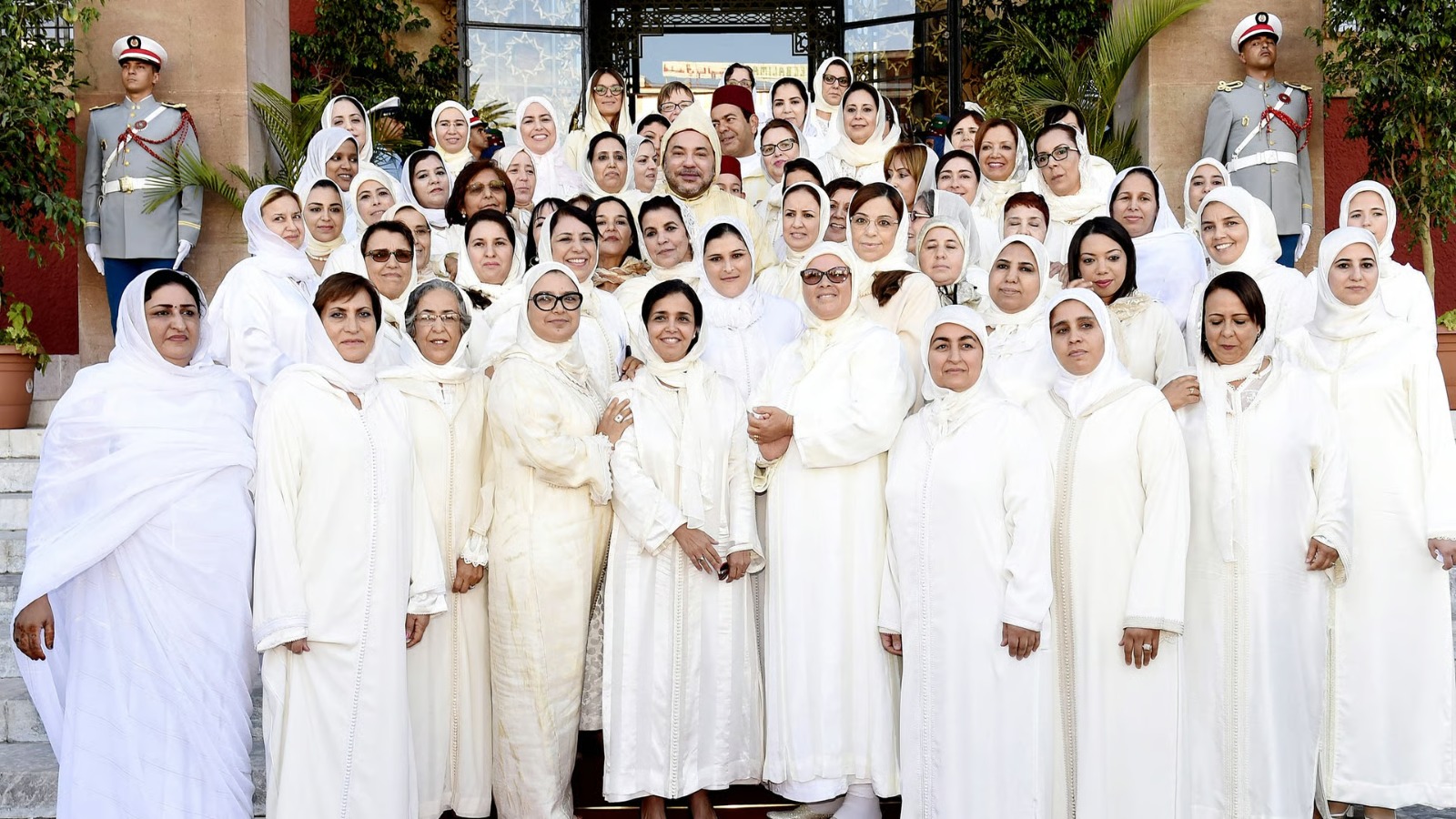
The long road to women’s political representation in Morocco
Morocco’s journey toward women’s political participation has been a story of progress and persistent challenges. Since independence, women’s presence in the legislative arena has grown from near-invisibility to a structured legal framework. Yet, as the country prepares for the 2026 parliamentary elections, the gap between legal commitments and actual representation remains a pressing concern. Constitutional equality exists on paper, but the reality in party corridors and electoral lists tells a different story.
A timeline of progress and ongoing struggles
The first significant milestone came in 1993, when two women entered the Chambre des représentants for the first time. This slow but steady evolution led to a major shift in the early 2000s with the introduction of affirmative action measures. Key milestones include:
- 2002: The establishment of a national women’s quota reserving 30 seats in parliament, marking the beginning of structured gender representation.
- 2011: The new Constitution enshrined gender equality in Article 19 and increased the quota to 60 seats, signaling a stronger state commitment to parity.
- 2021: The shift from a national list system to regional lists expanded territorial representation and raised the quota to 90 seats, further diversifying women’s political influence.
These reforms have empowered women to develop expertise in politics, civil society, and human rights advocacy. However, a persistent glass ceiling still limits their advancement, particularly in leadership roles within electoral lists.
2026 elections: a warning from civil society
As the September 2026 legislative elections approach, women’s organizations are raising the alarm. A recent analysis of candidate nominations reveals a troubling pattern: women remain underrepresented as list leaders—a position statistically more likely to secure parliamentary seats. This raises a critical question: do political parties truly prioritize gender parity, or is it merely a legal obligation with little real commitment?
The data shows that while women are included in lists, they are often placed in less winnable positions, undermining the spirit of the quota system. This discrepancy highlights a gap between legislative progress and on-the-ground implementation.
The hidden danger of family-based quotas
Beyond numerical underrepresentation, another issue threatens the integrity of gender quotas: the rise of familial favoritism. Some party leaders are using reserved seats not to empower women broadly, but to place their wives or daughters in prominent positions. This practice not only distorts the intent of affirmative action but also sidelines long-time female activists who have fought for decades within political and civil structures.
Such nepotism erodes public trust in institutions and reduces women’s political participation to a matter of family privilege rather than merit. It sends a damaging message: that gender equity is secondary to maintaining elite control.
Calling for systemic change
In response to these concerns, women’s rights coalitions are urging a national dialogue involving political parties, constitutional bodies, feminist organizations, and media outlets. The goal is to address the cultural and structural barriers that continue to hinder women’s leadership in politics.
Key proposals include:
- Firm partisan commitments: Political parties must ensure women lead at least one-third of all electoral lists, moving beyond tokenism to genuine parity.
- Transparent and ethical selection criteria: Candidate nominations should be based on competence, activism history, and public service—not family ties or favoritism.
- Rigorous oversight: Electoral authorities must enforce the law strictly, ensuring that reserved seats benefit all women, not just those connected to party elites.
Conclusion: A test for Moroccan democracy
Women in Morocco are far more than voters or campaign tools—they are essential partners in shaping the nation’s future. The 2026 elections will serve as a litmus test for the country’s democratic maturity. Will Morocco move toward a system where women’s political participation is rooted in merit and representation, or will it remain trapped in a cycle of legal compliance without real transformation?