
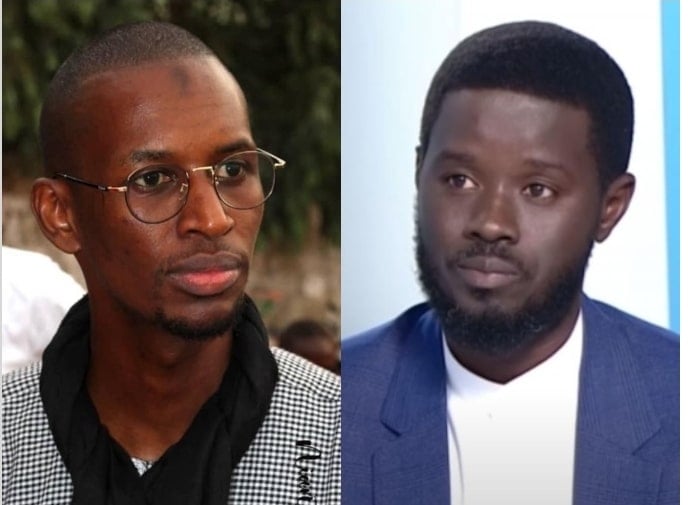
Seydina Oumar Touré, Director-General of Senegal’s Agency for Security and Proximity (ASP), has publicly endorsed the national dialogue initiative spearheaded by President Bassirou Diomaye Faye, framing it as a vital step toward safeguarding the nation’s stability. In a period marked by regional political turbulence, he underscored the importance of fostering tolerance and peace as cornerstones for national unity.
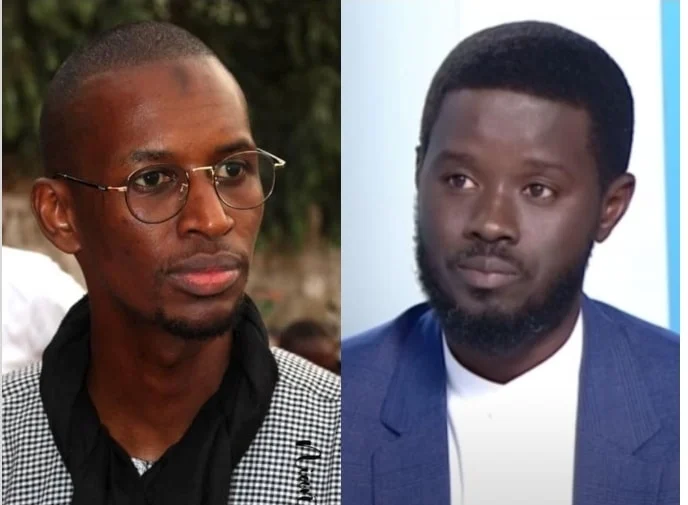
In his statement, the ASP chief highlighted how Senegal’s political and geostrategic resilience stands in stark contrast to challenges faced by neighboring countries. He attributed this stability to a deep-rooted national awareness cultivated over generations, transcending ethnic, religious, and political divides. Touré also emphasized that the sacrifices of past generations have laid the foundation for the country’s enduring cohesion.
He further noted that dialogue has long been a guiding principle in Senegalese society, serving as a fundamental pillar of coexistence. For Touré, integrating dialogue into governance is not a departure from tradition but a continuation of a historical practice deeply embedded in Senegal’s political fabric since independence in 1960.
Senegal’s legacy of dialogue and unity
Touré championed core values such as tolerance, forgiveness, mutual acceptance, and constructive debate, describing them as enduring constants in Senegal’s political culture. He cautioned against divisive rhetoric, intolerance, and violence, warning that such forces threaten social harmony and national stability.
Reflecting on Senegal’s political journey, he pointed to past crises and transitions that were successfully navigated through dialogue and consensus-building. This historical perspective, he argued, reinforces the necessity of Bassirou Diomaye Faye’s current call for inclusive and sincere national dialogue.
President Faye’s leadership through dialogue
Seydina Oumar Touré praised President Bassirou Diomaye Faye’s initiative, framing it as a commitment to governance rooted in listening, collaboration, and consensus-building. He described the future of Senegal as dependent on continuous, participatory, and genuine dialogue—a process he believes embodies the nation’s unique spirit.