
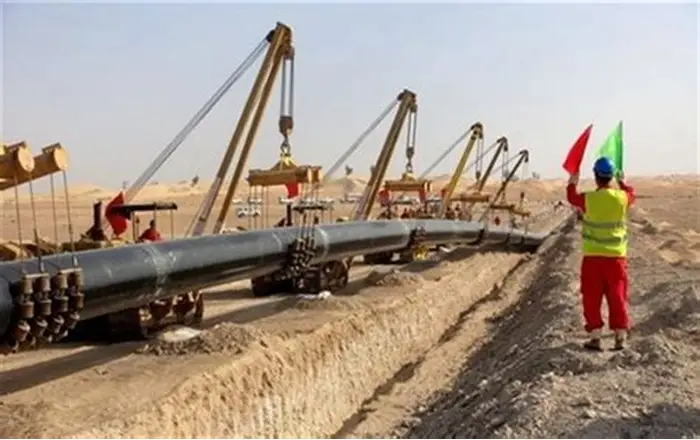
The African energy landscape is on the verge of a monumental shift, with Niger positioning itself as a cornerstone of this transformation. Following the official launch on June 4 in collaboration with strategic partners Algeria and Nigeria, the Trans-Saharan Gas Pipeline (TSGP) has reached a pivotal milestone. This massive infrastructure project, extending over 4,000 kilometres, is designed to transport Nigerian natural gas across Nigerien territory to the European market.
For Niamey, this initiative represents far more than a mere infrastructure development; it is a firm assertion of economic sovereignty and an elevation of its geopolitical standing on the global stage.
The Nigerien corridor: A vital link for African energy
The TSGP route is designed to connect the extensive reserves of the Niger Delta to the established Algerian pipeline networks, such as Medgaz and Transmed, which provide direct access to Europe. Niger stands at the geographical and strategic center of this transit equation.
Key figures defining the project include:
- Total length: Exceeding 4,000 km, with a significant portion traversing Niger from south to north.
- Annual capacity: Approximately 30 billion cubic metres of natural gas intended for export.
- Estimated investment: Upwards of 13 billion dollars.
By providing a secure and efficient transit corridor, Niger is establishing itself as an indispensable facilitator of the Abuja-Algiers axis. Rather than being a passive observer, the nation is set to leverage this unique geographical advantage to stimulate its domestic economy.
Local economic benefits and development prospects
Beyond the macroeconomic advantages and transit royalties expected to bolster the national treasury, the TSGP serves as a powerful catalyst for industrial growth within Niger. Preliminary agreements include specific provisions for local gas supply.
Energy access and electrification
A portion of the transported gas will be diverted to fuel local thermal power stations. This is a critical asset for addressing the national energy deficit and improving electricity access across the country.
Employment and technical expertise
The construction phase and the subsequent operation of compression stations on Nigerien soil are expected to create thousands of direct and indirect jobs. This will foster the development of local expertise in gas engineering and specialized technical fields.
A strategic response to European energy needs
The timing of this project is particularly significant. As the European Union pursues an aggressive strategy to diversify its energy sources and reduce its long-term dependence on Russian gas, the TSGP emerges as a premier alternative.
By acting as a guarantor for the security of this energy flow toward Europe, Niger significantly enhances its diplomatic influence with Western partners. The country is demonstrating its capacity to participate in complex, large-scale multinational industrial partnerships.
Addressing security and financial challenges
While the project is met with great optimism in Niamey, Algiers, and Abuja, significant obstacles remain. The foremost challenge is the security of a 4,000-km route passing through Sahelian regions facing chronic stability issues. The three partner nations must achieve unprecedented military coordination to protect the infrastructure.
Furthermore, finalizing the financial structure and attracting international investment will require continued political stability and a transparent regulatory framework. The Nigerien government is currently working to provide these essential signals to global markets.
The commencement of activities on June 4 signaled the dawn of a new era. By establishing itself as the essential link between Nigeria’s gas wealth and Algeria’s distribution infrastructure, Niger is no longer merely subject to regional geopolitics; it is actively shaping them. The success of the TSGP could permanently establish Niger as a major energy hub connecting sub-Saharan Africa to the European continent.