
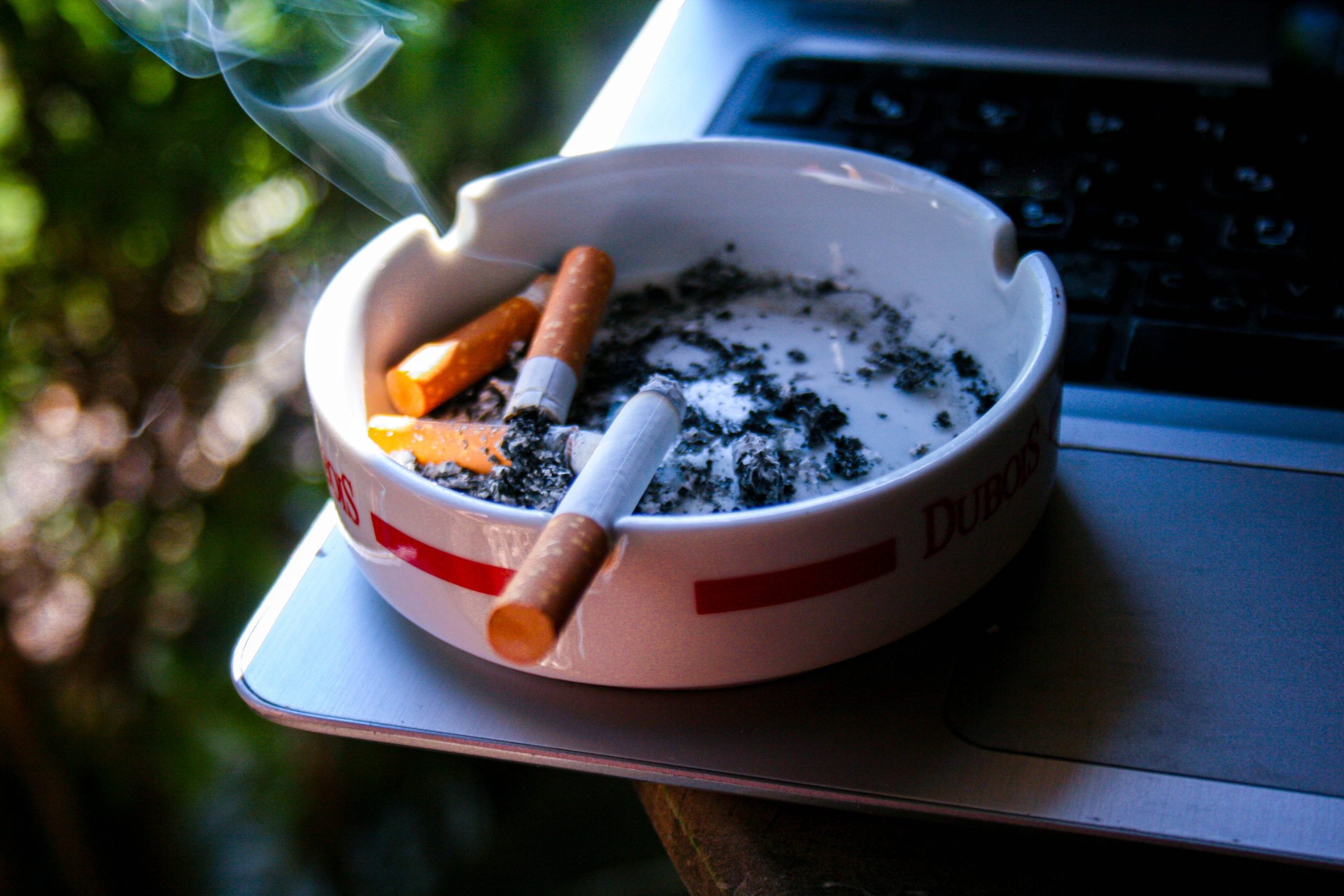
Fifteen years after its adoption, Chad’s anti-smoking law continues to be widely ignored in N’Djamena, despite its clear wording. The capital’s public spaces remain filled with cigarette smoke, especially in crowded areas like Dembé and the Central Market, where vendors and shoppers light up without hesitation.
« We’ve grown used to the smell of cigarette smoke here. It’s part of our daily routine. Decisions were made, but no one follows them. It’s simply unacceptable. » These words from Pélagie, a fish seller, reflect the frustration of many N’Djamena residents who endure secondhand smoke in markets, public transport, and even healthcare facilities.
Christian, another local, highlights the absence of designated smoking areas: « In other countries, smokers have their own spaces, but here, we’re all mixed together. Smoking happens in schools and hospitals. The government needs to step up and enforce its own rules. »
For those with respiratory conditions, the situation is dire. « I suffer from asthma and allergies triggered by cigarette and shisha smoke. That’s why I avoid restaurants altogether—no one respects the regulations. » This sentiment is shared by many who feel powerless against the lack of enforcement.
The risks of passive smoking are well-documented: increased chances of cancer, heart disease, and respiratory illnesses. Vulnerable groups, such as children and pregnant women, face the highest dangers. Beyond health concerns, discarded cigarette butts litter the streets, contributing to pollution and fire hazards.
Chad’s tobacco control law, Law No. 010/PR/2010, explicitly bans smoking in all public spaces, enclosed workplaces, and public transport. It also safeguards pregnant women and minors, with penalties outlined for violations. Subsequent decrees, including Decree No. 1522/PR/MSP/2019, detail enforcement measures. The Ministry of Public Health and N’Djamena’s local government have launched awareness campaigns and even formed an anti-smoking task force. Yet, despite these efforts, compliance remains alarmingly low.