
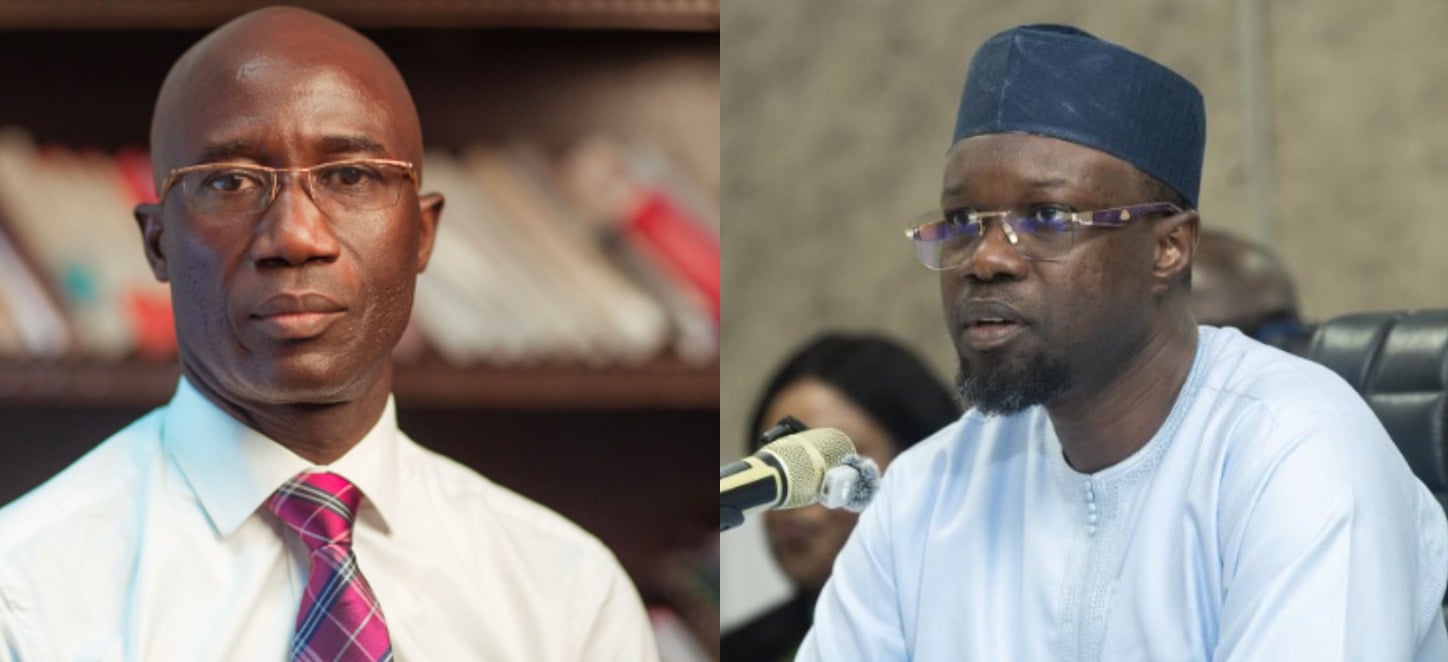
Senegal’s political landscape is bracing for fresh turbulence as Ousmane Sonko, leader of the Pastef party, voices sharp concerns over the appointment of Moussa Sarr as the new Minister of Justice. The selection of the prominent attorney has immediately drawn scrutiny, with Sonko questioning whether this decision aligns with his party’s interests or introduces new risks.
In a pointed public statement, Sonko highlighted the potential implications of Sarr’s appointment, suggesting that the former Garde des Sceaux’s involvement in past legal disputes could reignite tensions between Pastef and certain judicial institutions. The party leader emphasized that his reservations stem from Sarr’s prior role in sensitive cases that have shaped the relationship between the movement and the legal system.
Sonko’s skepticism extends beyond the Justice Ministry. He also directed cautionary remarks at Prime Minister Al Amine Lô, urging the head of government to adhere strictly to his technocratic mandate rather than engaging in political maneuvering. The Pastef leader hinted at possessing insights into the Prime Minister’s actions, warning against actions that could escalate tensions.
« I’ve been courteous so far, but pushing too far could change that, » Sonko stated, leaving little room for ambiguity about his expectations. His message was clear: the Prime Minister’s role is to govern with technical expertise, not political strategy.
Internal party divisions spark further controversy
Ousmane Sonko didn’t stop at criticizing government figures. He also singled out several Pastef members who accepted positions in the new administration, including Balla Moussa Fofana, Ibrahima Sy, and Yankoba Diémé. Sonko accused these individuals of joining the executive branch without consulting party leadership, emphasizing that their decisions were made for personal gain rather than collective interest.
« Everyone who accepted a position did so on their own behalf. Their cases will be addressed in due time, » Sonko declared, signaling that internal party discipline remains a priority. These remarks underscore the growing fractures within Pastef as its members navigate the new political realities.
The Justice Ministry appointment, however, remains the focal point of Sonko’s concerns. While he has stopped short of outright condemnation, he has made it clear that the party will closely monitor the new minister’s actions. Whether this appointment will ease or exacerbate tensions will depend on the decisions made in the coming weeks.