
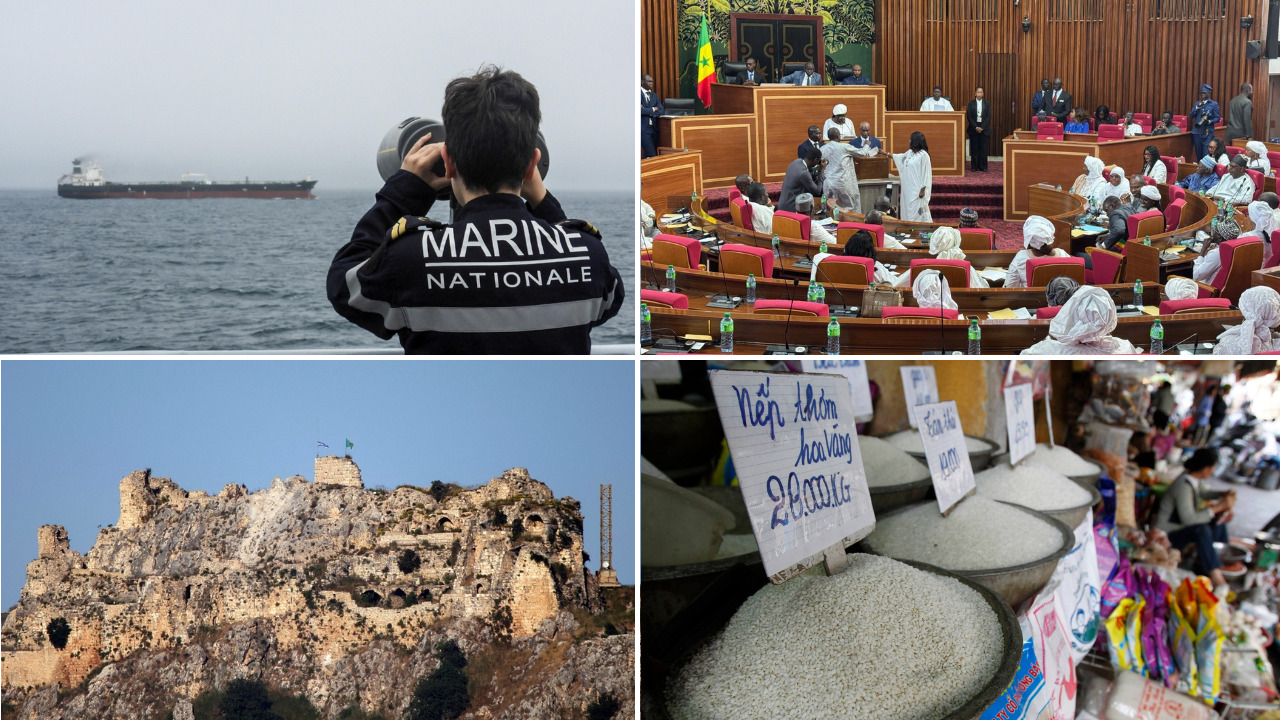
Just hours after the unveiling of Senegal’s fresh 30-member government by newly appointed Prime Minister Ahmadou Al Aminou Mohamed Lô, the nation’s political landscape is already facing questions. The absence of key figures from the Pastef party—despite its parliamentary majority—has sparked intense debate. While five members of the party secured ministerial positions, major leaders stayed away, citing unspecified disagreements.
What exactly lies behind this refusal to engage with the new administration? And why did a handful of Pastef members accept roles despite their party’s collective stance? These decisions could carry serious consequences, including potential disciplinary measures or even expulsion from the party.
Senegal politics: the core issues dividing Pastef from the government
The Pastef party, led by detained opposition figure Ousmane Sonko, holds a dominant position in Senegal’s National Assembly. Yet, its leadership has chosen to distance itself from the new government formed by Prime Minister Lô. Officials from the party have refrained from detailing the precise nature of their objections, leaving analysts and citizens to speculate about the underlying tensions.
Several hypotheses have emerged:
- Programmatic divergence: Pastef may be challenging the government’s policy direction, especially on issues like economic reform, governance transparency, and judicial independence.
- Strategic positioning: The party might be avoiding association with a government seen as insufficiently aligned with its reformist agenda, potentially to preserve its electoral appeal ahead of future contests.
- Political leverage: By remaining outside the administration, Pastef could be asserting pressure to secure greater concessions or influence in future negotiations.
What happens next for the five Pastef ministers?
While their party opted out, five Pastef members accepted ministerial portfolios. This internal split raises concerns within Senegal’s political circles. Will these individuals face sanctions for defying party directives? Could their participation lead to a formal break with Pastef, or will the party tolerate this divergence as a pragmatic compromise?
The coming weeks will be critical in determining whether this rift deepens or if a path toward reconciliation emerges.