
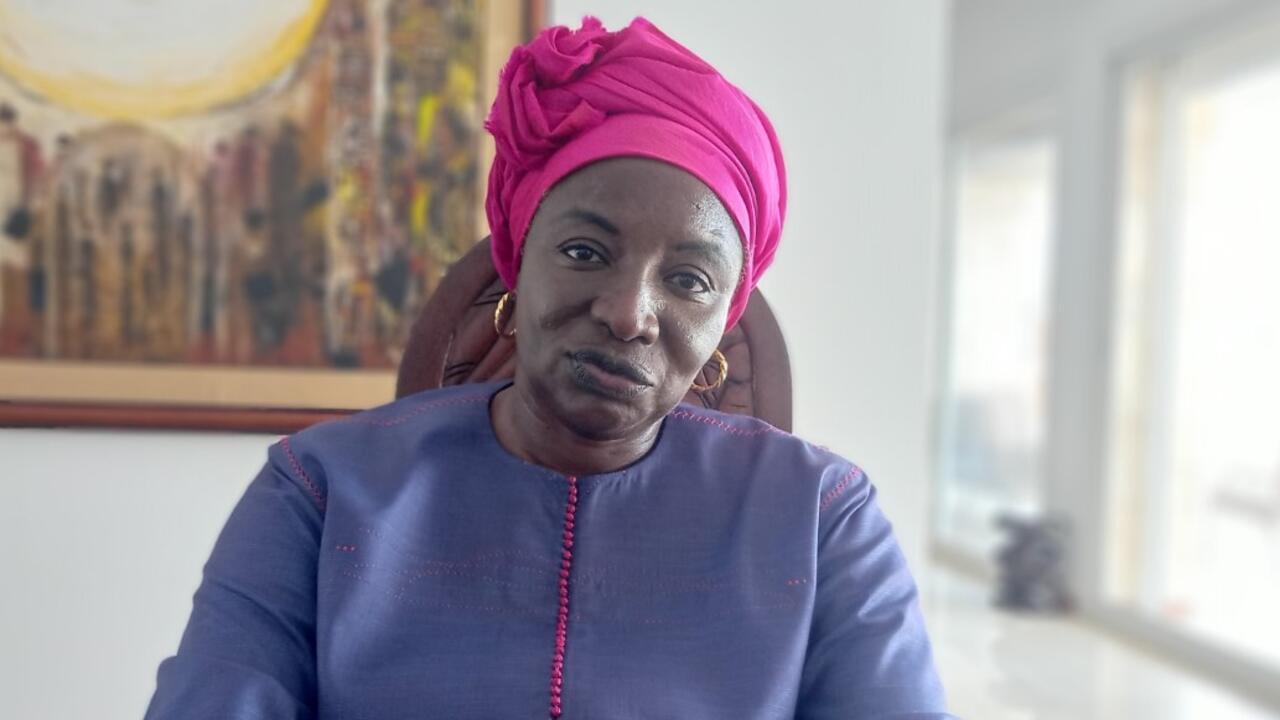
Senegal’s political landscape is shifting as the newly appointed cabinet, led by Prime Minister Ahmadou Al Aminou Mohamed Lô, faces criticism for excluding key figures from the Pastef party. The team of 30 ministers, composed primarily of technocrats and allies of President Bassirou Diomaye Faye, has sparked debate over its democratic legitimacy, especially since Pastef—led by Ousmane Sonko—has refused to join the government. Despite some members of Pastef being included in the administration, the absence of prominent party leaders underscores a growing divide between the president and Sonko, who remains a central figure in the coalition that backed Faye’s election.
Government formation sparks debate over legitimacy
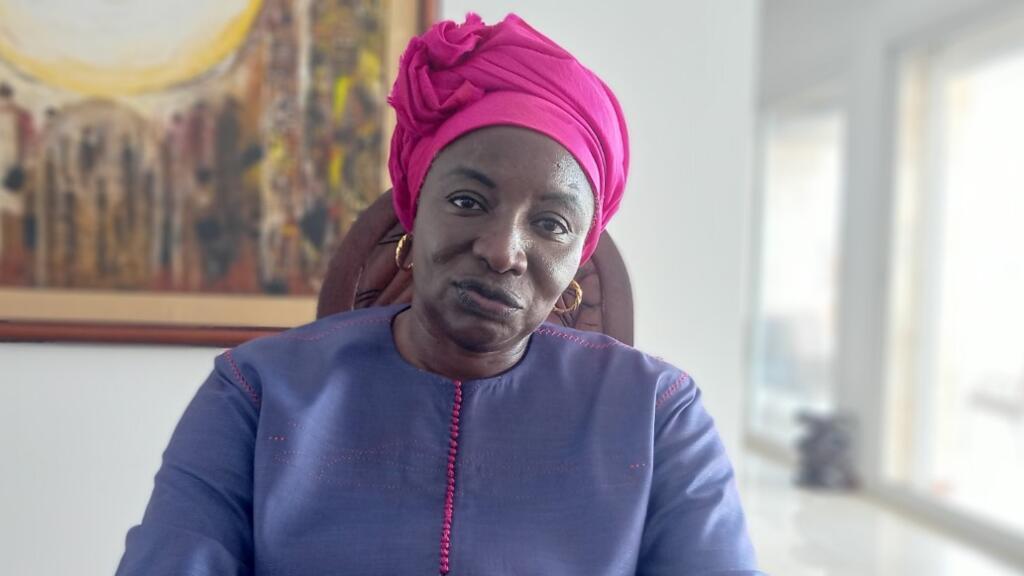
Aminata Touré, coordinator of the Diomaye Président coalition, weighs in on the new cabinet’s composition and the challenges ahead.
In response to concerns about the cabinet’s legitimacy, Touré emphasizes the democratic process: “President Bassirou Diomaye Faye was elected by 54% of Senegalese voters, and it is his prerogative to appoint the Prime Minister and approve the government. This is not just a constitutional right but a reflection of the people’s choice.” She dismisses suggestions that the absence of Pastef heavyweights undermines the administration’s legitimacy, calling it a matter of “efficiency and focus on governance.”
Cohabitation and institutional dynamics
With Pastef holding a majority in the National Assembly, questions arise about potential governance challenges. Touré frames the situation as an internal party matter, stating: “President Faye is a member of Pastef, and several ministers are as well. The real test will be whether institutions prioritize national interests over personal agendas.” She warns against using institutions as political tools, stressing that Senegalese citizens expect stability and progress, not prolonged institutional conflicts.
Moralization of politics and accountability
Critics argue the new government signals a departure from the transparency promised by Pastef. Touré, a former Justice Minister, clarifies: “Accountability is not about settling scores. It’s about ensuring justice prevails, regardless of political affiliations.” She underscores the president’s commitment to holding leaders accountable while cautioning against conflating justice with political persecution.
Debt management and economic strategy
On the sensitive issue of debt restructuring with the IMF, Touré adopts a pragmatic stance: “This isn’t an ideological debate—it’s about practicalities. Senegal owes money, and we must find a sustainable way to repay it without repeating the mistakes of the past.” She highlights the need for negotiations that avoid austerity measures that could harm social programs, drawing parallels to the harsh structural adjustments of the 1980s.
Future elections and political ambitions
With the 2029 presidential race looming, some speculate that Pastef’s refusal to participate in the government is a strategic move to position Ousmane Sonko for a future bid. Touré dismisses this as a distraction from the urgent needs of Senegalese citizens: “The people want solutions to their problems, not endless electoral campaigns. Democracy must function, but it should not come at the cost of governance.”
“The focus must remain on delivering results, not on political maneuvering,” she concludes. “Senegal’s institutions must rise above personal ambitions and prioritize the collective good.”