
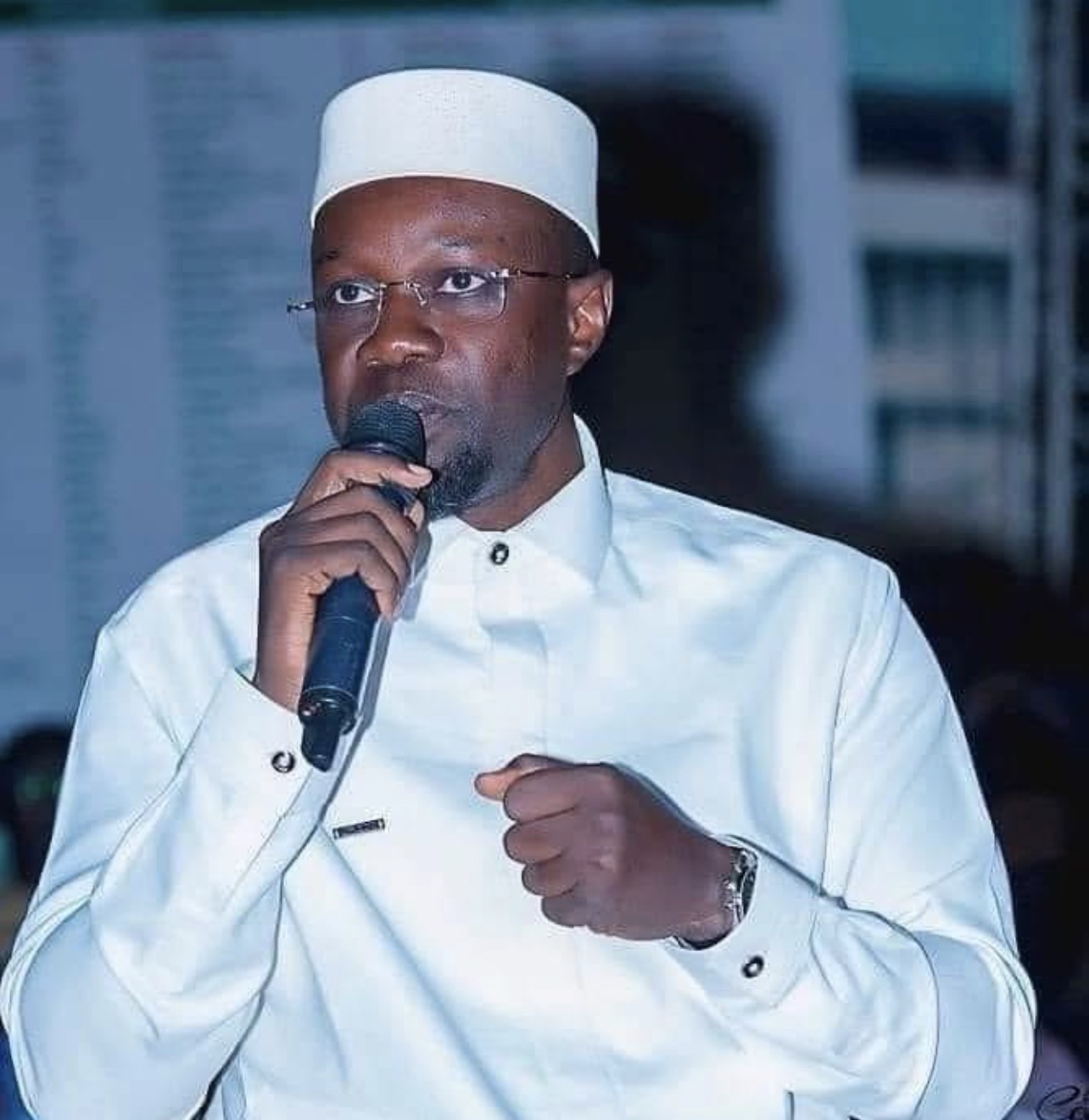
In the aftermath of a sweeping cabinet reshuffle that excluded his party, PASTEF, from the new government, opposition leader Ousmane Sonko has broken his silence to address the widening rift between his movement and President Bassirou Diomaye Faye.
Speaking to the press, Sonko did not mince his words. He accused the head of state of deliberately avoiding direct communication, despite ongoing dialogue with other political figures. “The President refused to engage with me even as he continues discussions with others,” he stated, underscoring what he described as a troubling lack of dialogue.
Political tensions amid leadership changes
While Sonko’s remarks carried a sharp edge, he was careful to draw a distinction between institutional disagreements and personal animosity. “Our differences should not be misconstrued as a personal rupture,” he emphasized. “We have never confronted each other harshly in direct conversation.”
His comments come at a time when the absence of PASTEF from the new cabinet has raised questions about the future of collaboration between the two sides. Sonko acknowledged the long-standing political alliance that once defined their relationship, referring to it as a shared journey. “We started this path together, and I expected us to remain united,” he said.
Opposition denies adversarial stance
In a move to clarify his party’s position, Sonko firmly rejected the idea that PASTEF had become an opponent of the administration. “We are not the President’s adversaries,” he declared. “The real opponents are soaring food prices, unreliable transport, and the daily hardships faced by the people.” Sonko accused unnamed political forces of attempting to exploit the current divisions within the executive branch for their own gain.
The remarks follow a period of heightened political activity, including legal challenges and public statements that have further strained relations between Sonko, his party, and the presidency. As the nation watches closely, the trajectory of these interactions remains uncertain, with implications for both governance and public confidence.