
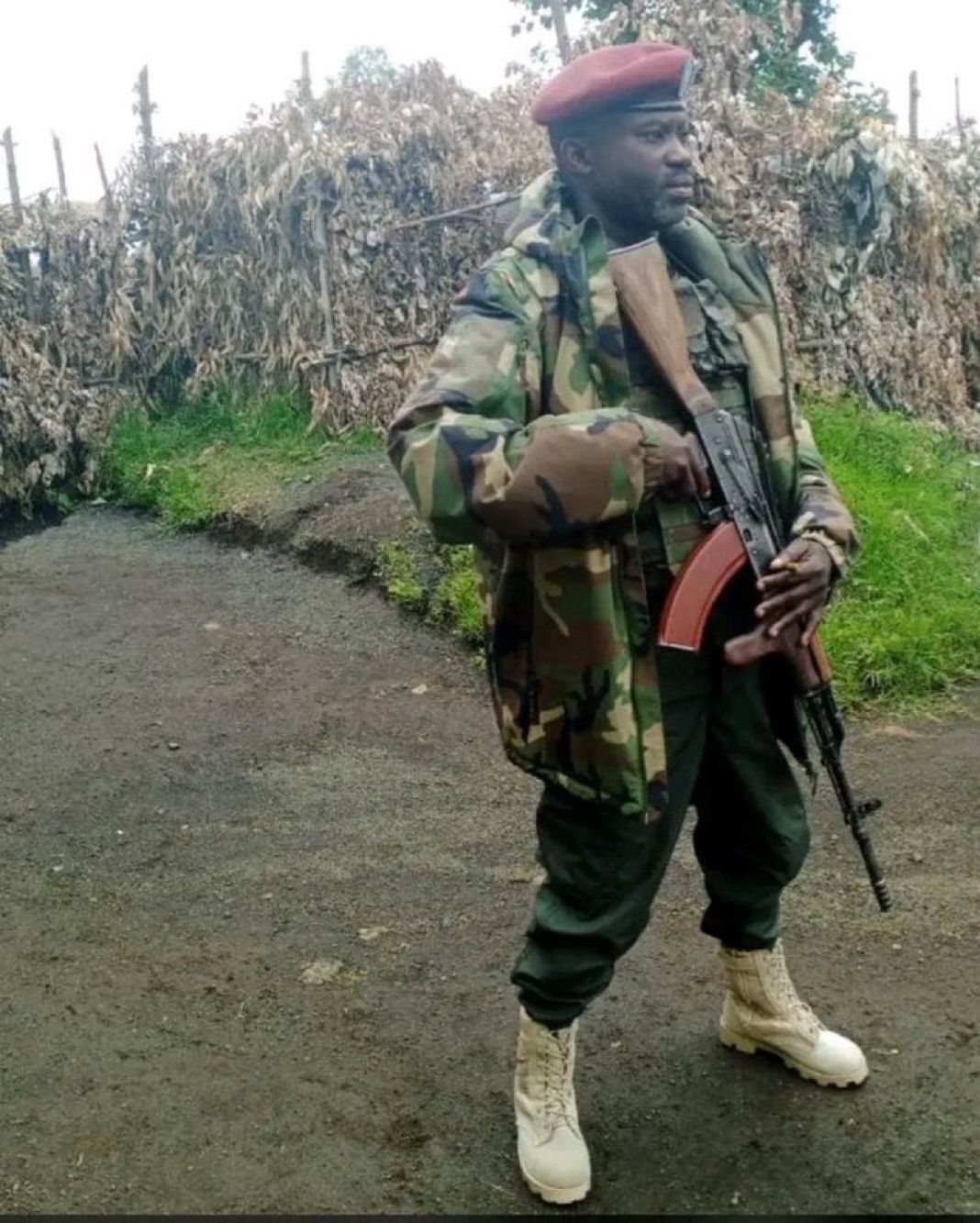
us sanctions key leader of M23 rebellion in DRC
The United States Department of the Treasury has taken decisive action against a central figure in the M23 rebel group’s military operations in the Democratic Republic of the Congo (DRC). On June 2, 2026, Washington imposed sanctions on John Imani Nzenze, the intelligence chief of the RDF/M23 faction—a move long overdue but symbolically significant. Nzenze, a long-time architect of violence in eastern DRC, has been instrumental in a system accused of perpetuating death, resource theft, and large-scale displacement of local communities for nearly three decades.
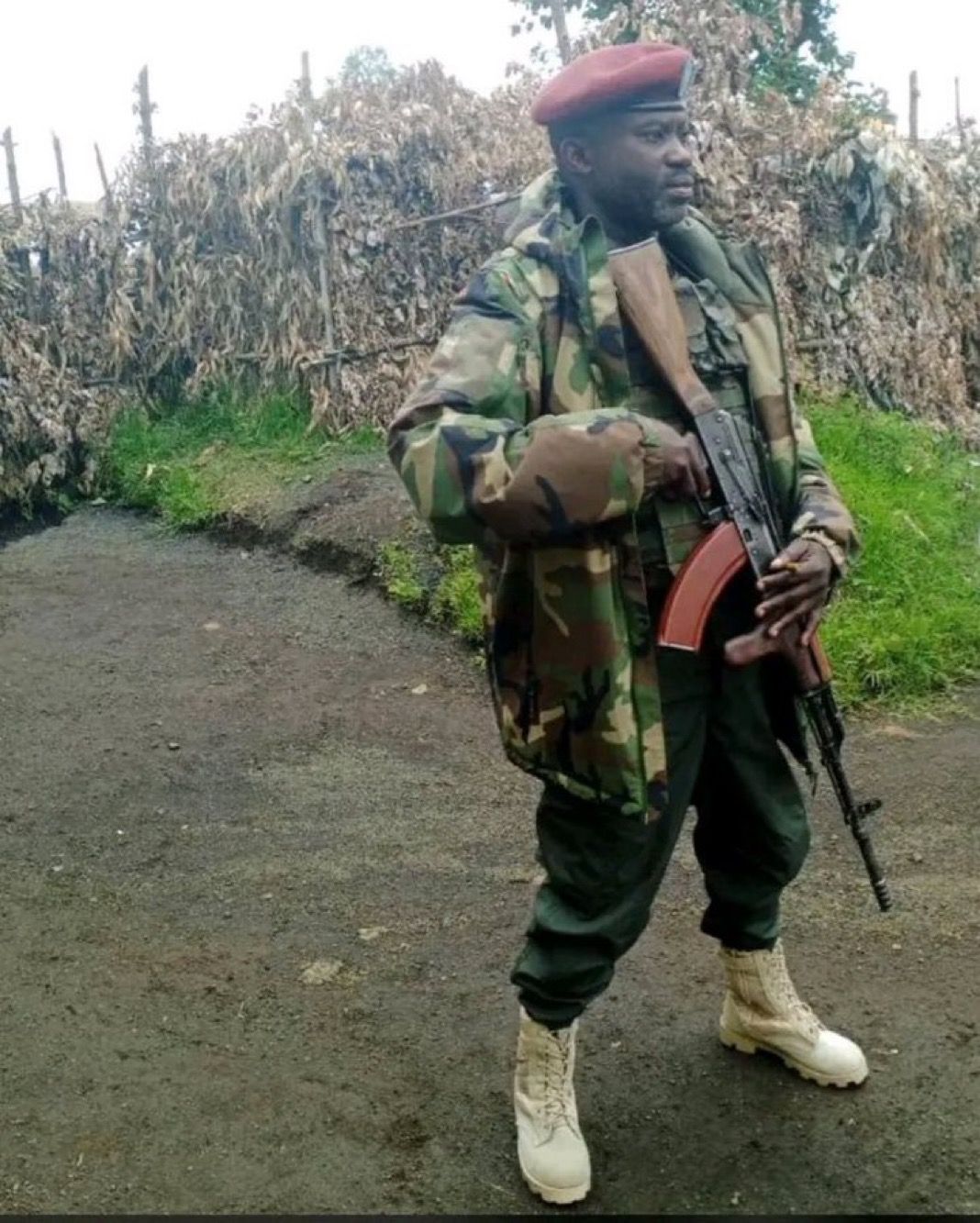
Nzenze’s career is deeply intertwined with Rwanda’s covert military campaigns in eastern DRC. His rise began in the late 1990s within the Congolese Rally for Democracy (RCD), a rebel faction established after Rwanda and Uganda invaded the DRC in August 1998. Far from being a spontaneous rebellion, the RCD was a proxy force created by Kigali to mask military occupation and exploit the region’s mineral wealth.
Nzenze’s trajectory mirrors that of other rebel leaders who have cycled through successive armed groups—from the RCD to the National Congress for the Defence of the People (CNDP) under Laurent Nkunda, and finally to the M23. Each iteration preserved the same core network, tactics, and objectives: ethnic violence, forced displacement, and control over lucrative mining zones.
His role in the CNDP, another Rwandan-backed militia accused of war crimes in the 2000s, exemplifies this continuity. Following the March 23, 2009 peace agreements, some rebel leaders, including Nzenze, were integrated into the Congolese army (FARDC) as part of a military integration process. Yet this arrangement proved fleeting, serving only as a tactical pause in a longer conflict.
By 2012, Nzenze and fellow commander Sultani Makenga defected from the FARDC to relaunch the M23, citing unmet demands from the 2009 agreements. In reality, this marked the rebirth of a Rwanda-backed armed faction, resuming its campaign of terror in eastern DRC. Since its resurgence in late 2021, the M23 has been linked to systematic atrocities documented by the United Nations, international NGOs, and Western governments: summary executions, indiscriminate shelling of civilian areas, forced conscription, sexual violence, targeted assassinations, village occupations, and illegal mineral trafficking.
Thousands have fled the violence in North Kivu, while rebel forces, supported by Rwandan troops, have seized control of critical mining hubs such as Rubaya. Within this brutal framework, Nzenze’s intelligence apparatus has played a pivotal role—orchestrating infiltration, tracking down dissenters, surveilling local populations, and coordinating with clandestine Rwandan military units operating inside Congolese territory.
For years, M23 leaders operated with near-total impunity, despite damning UN reports implicating Rwanda directly in the conflict. The U.S. sanctions on Nzenze represent a belated acknowledgment of a crisis long condemned by Kinshasa and Congolese victims. Yet they raise a critical question: why target individuals when the entire regional apparatus—funding, arming, and profiting from the chaos—remains intact?
The answer lies in a decades-old strategy to maintain instability in eastern DRC. For Congolese citizens, the M23 is not an isolated insurgency but a continuation of a regional policy aimed at controlling natural resources and preserving military and economic influence over Congolese soil.