
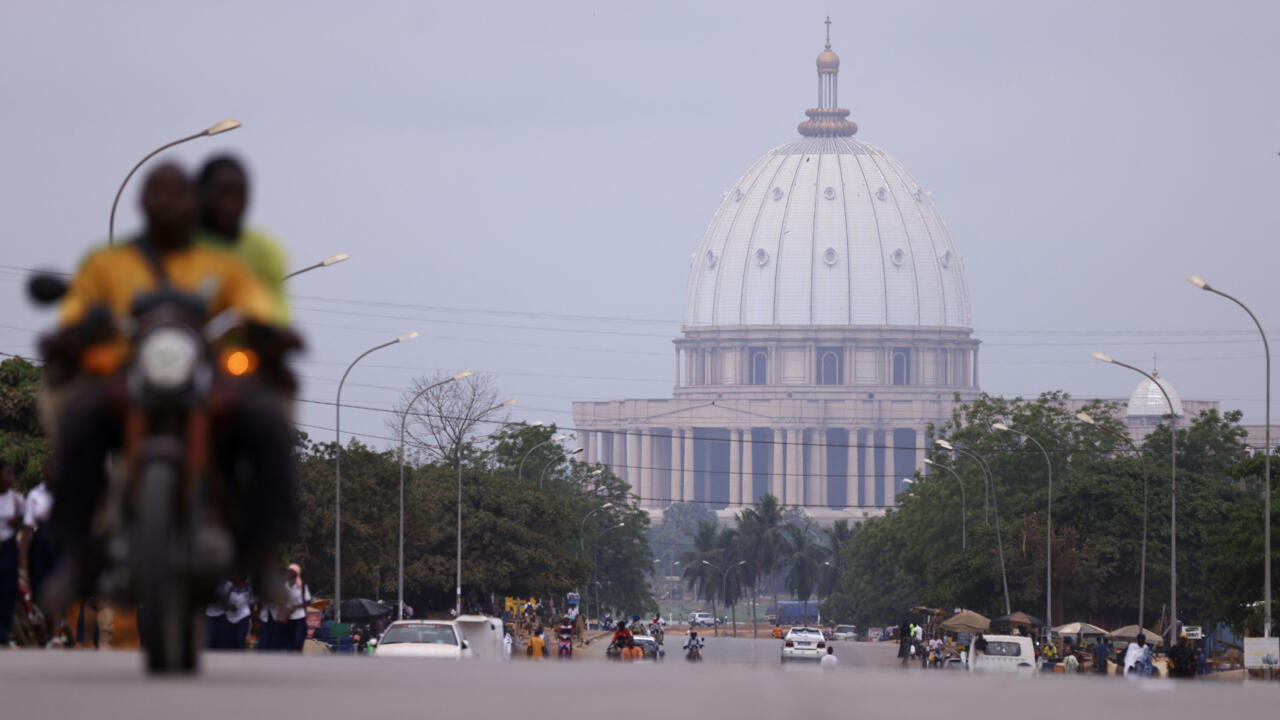
In Yamoussoukro, land values are skyrocketing and construction sites are popping up everywhere. The political capital of Côte d’Ivoire is fast becoming one of the country’s newest hotspots for real estate investment. This land rush is reshaping surrounding villages and raising questions about the future of agricultural land.
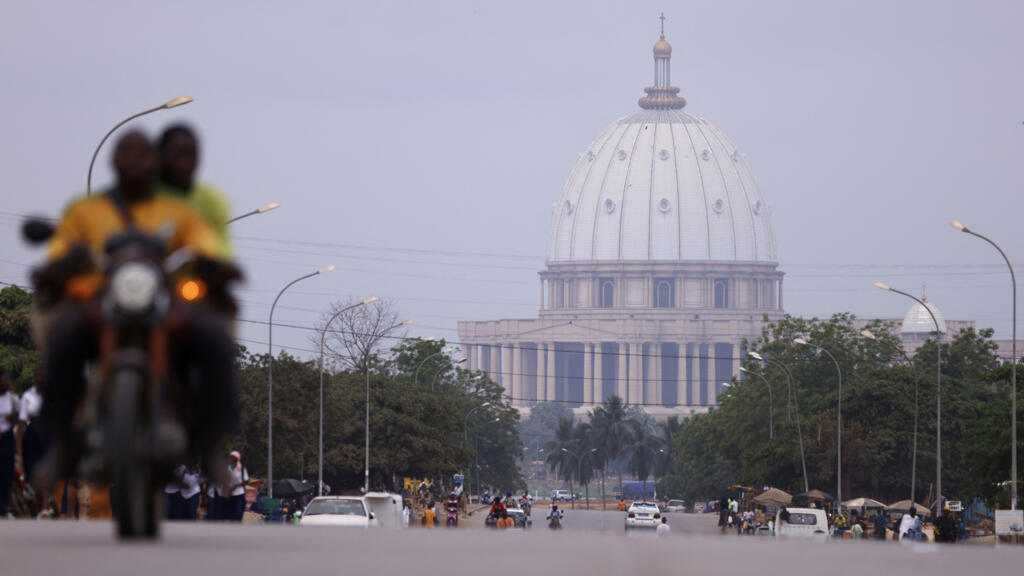
Investors flock to Yamoussoukro’s expanding real estate market
Francis Djaha, a local real estate agent, uses his drone to showcase parcels he markets to potential buyers. From above, the view includes the iconic basilica and dozens of demarcated lots. Prices range from 15 to 40 million West African CFA francs depending on location and size. Djaha has noticed a growing interest in Yamoussoukro: «We have individuals looking to build residential properties, industrial investors seeking land for offices, agricultural buyers, and even those interested in turnkey homes.»
Several neighborhoods are now bustling with construction activity as investors pour in. The city’s appeal stems from available land, but there’s more to it. «The roads are exceptionally wide, making navigation effortless. The city maintains remarkable tranquility. The infrastructure President Houphouët-Boigny developed sets Yamoussoukro apart from other cities. Plus, its central location means you can easily reach any destination from here,» Djaha explains.
A growing attraction for diverse investors
This appeal is drawing buyers from Abidjan, other parts of Côte d’Ivoire, and the diaspora. They’re attracted by relatively affordable prices and the city’s development prospects. One entrepreneur, who prefers to remain anonymous, shares his excitement about the capital’s expansion after acquiring a plot. «Our goal is to create a residential project that will serve the local population,» he reveals.
Farmland disappearing as urbanization accelerates
The property boom is transforming villages surrounding Yamoussoukro. Formerly cocoa, yam, and cassava fields are gradually giving way to housing developments. This shift brings development hopes but also raises concerns about the future of local farmland. In Séman Sanhourikro, just a few kilometers from the political capital, Michel N’Goran, advisor to the village chief, watches these changes with growing apprehension. «Land subdivision means we can no longer cultivate. In 30 to 50 years, I believe what happened to the Ebriés in Abidjan will happen to the Akouès and Nanafouès of Yamoussoukro. We’ll lose our cultivable land,» he warns.
The country’s five-year national development plan includes a high-speed rail line that will connect Abidjan to Yamoussoukro in just 45 minutes. This project will further boost the political capital’s attractiveness.