
In Côte d’Ivoire, the autonomous district of Abidjan has intensified its clearance operations, most recently razing the Zimbabwe neighborhood in Vridi-3. The demolition, which began on June 2, targeted a 28-hectare area long inhabited by a tight-knit fishing community near the Port of Abidjan. Thousands of residents were uprooted within hours, leaving many to describe the process as harsh and abrupt. Just ten days prior, authorities had demolished three informal settlements in Cocody, Abidjan’s affluent northern district.
Controversial urban renewal campaign gains momentum
Local officials frame these demolitions as part of a broader effort to restore order in Côte d’Ivoire’s economic capital. The official label, “urban order restoration operation,” underscores the district’s aim to reclaim land deemed illegally occupied. The Zimbabwe neighborhood in Vridi-3 was prioritized due to its proximity to critical port and logistics infrastructure.
The area has, for decades, sustained a vibrant artisanal fishing trade that supplies markets across Abidjan. Beyond the loss of homes, the demolition disrupts a fragile yet vital informal economy that supports thousands of households. Residents report receiving neither adequate notice nor meaningful support before bulldozers arrived.
Rising land pressure near the Port of Abidjan fuels redevelopment push
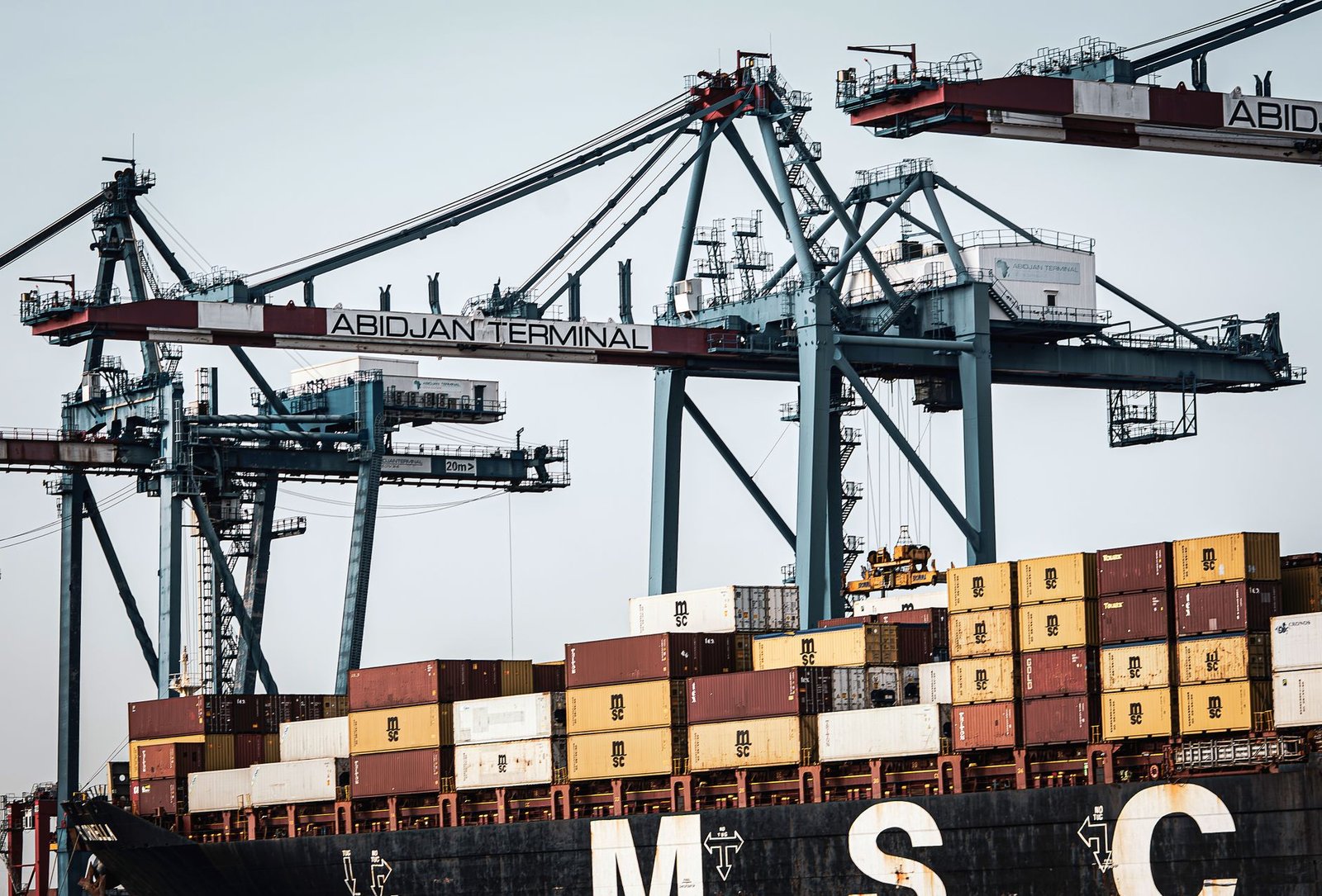
The razed neighborhood’s location is no coincidence. The Port of Abidjan serves as the country’s primary commercial gateway and a key maritime hub in the Gulf of Guinea. Its ongoing expansion, coupled with the growth of logistics and industrial projects, has intensified land competition along the waterfront. Vridi, in particular, has become a focal point for commercial, hydrocarbon, and tourism-related developments.
From the city planners’ perspective, informal settlements represent an obstacle to maximizing the economic potential of the coastline. While the demolition of Zimbabwe frees up strategic land, it also risks alienating residents and drawing criticism from human rights advocates. Past operations have already highlighted the lack of effective relocation plans for displaced populations.
Cocody demolitions set a precedent as Abidjan’s urban overhaul accelerates
The Vridi-3 demolition follows closely on the heels of the Cocody demolitions, where three informal pockets were leveled in quick succession. The accelerated pace of these operations hints at a broader strategy by the autonomous district to reshape Abidjan’s urban landscape ahead of major upcoming infrastructure projects. For local leaders, led by Governor Ibrahim Cissé Bacongo, the challenge lies in balancing rapid modernization with the needs of a metropolis home to over six million people.
The fate of those displaced remains unclear. No structured relocation plan has been announced for Zimbabwe residents, raising concerns as Abidjan’s rainy season approaches—a period when homeless populations face heightened vulnerability. Local advocacy groups also warn of a ripple effect, with new informal settlements likely to emerge on the city’s outskirts.
Whether this wave of demolitions will mark a lasting shift in Ivorian urban policy—or prompt a reevaluation under public and international scrutiny—remains to be seen. The coming weeks will reveal whether Abidjan’s leadership can align its development vision with the realities of its growing population.