
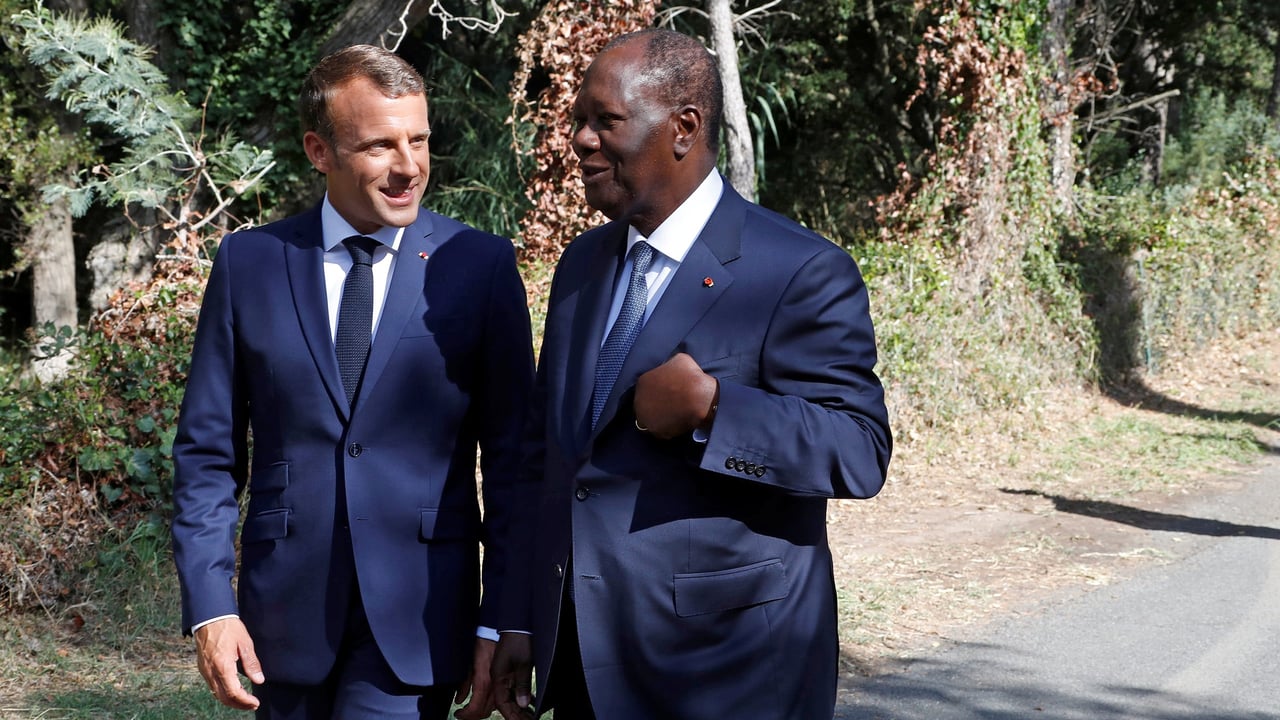

For decades, Côte d’Ivoire’s leadership has maintained close diplomatic and personal relationships with France’s political elite. No figure embodies this connection more than President Alassane Ouattara, whose ties with French officials have shaped bilateral relations between Abidjan and Paris.
From economic advisor to head of state
The foundations of President Ouattara’s enduring bond with French leadership were laid long before his rise to power. In the 1980s and 1990s, he served as an economic advisor to French governments, working closely with key figures such as Nicolas Sarkozy during Sarkozy’s tenure as Finance Minister. These early collaborations fostered mutual trust and laid the groundwork for future diplomatic exchanges.
When Sarkozy assumed the presidency in 2007, Ouattara’s influence within Francophone African politics grew significantly. Their shared vision for economic cooperation and regional stability strengthened Côte d’Ivoire’s position as a key partner in West Africa.
Strategic partnerships under Macron
President Emmanuel Macron‘s election in 2017 marked another chapter in Ouattara’s French alliances. Despite shifting political dynamics in both countries, their relationship has remained robust. High-level meetings, including a notable ceremony in Mougins where Macron honored Ouattara, underscore the depth of their connection.
Macron’s engagement with Ouattara has extended beyond symbolic gestures. Joint initiatives in education, infrastructure, and security have reinforced Côte d’Ivoire’s role as France’s strategic ally in the region. These efforts have also facilitated increased French investment in key Ivorian sectors, contributing to the country’s economic growth.
Challenges and opportunities in bilateral ties
While the Ouattara-Macron partnership has flourished, it has not been without challenges. Issues such as security cooperation in the Sahel and economic competition from emerging global players have tested the resilience of their alliance. However, both leaders have consistently prioritized dialogue, ensuring that disagreements do not overshadow their shared objectives.
Their ability to navigate these complexities highlights the adaptability of Côte d’Ivoire-France relations. By maintaining open channels of communication, they have preserved a partnership that benefits both nations, fostering stability and prosperity in West Africa.
Looking ahead: what’s next for Côte d’Ivoire and France?
As Côte d’Ivoire continues to strengthen its economy and political influence, its relationship with France remains a cornerstone of its foreign policy. With new opportunities on the horizon, including expanded trade agreements and collaborative development projects, the partnership between Ouattara and French leadership is poised to evolve further.
For now, the enduring friendship between Alassane Ouattara and France’s political figures continues to shape the trajectory of Côte d’Ivoire’s international engagements, reinforcing its position as a pivotal player in Francophone Africa.