
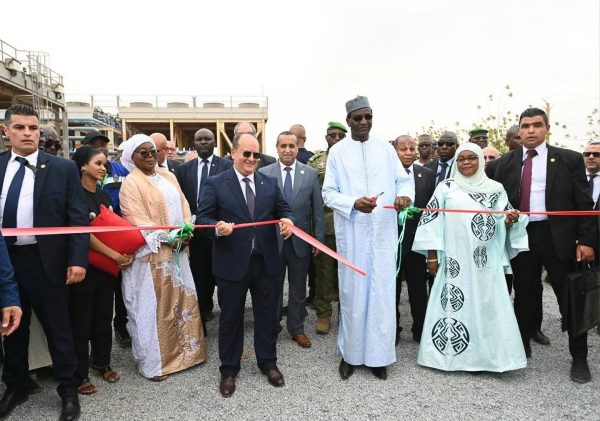
The Algerian Prime Minister, Sami Grieb, concluded a working visit to Niamey this Wednesday, marking the second time in just a few months that he has traveled to Niger. Welcomed at the foot of the aircraft by his Nigerien counterpart, Ali Mahaman Lamine Zeine, Grieb’s agenda centered on the inauguration of a 40-megawatt power plant gifted by Algeria to Niger.
Upon arrival, the Algerian delegation immediately proceeded to the inauguration ceremony of the newly built power plant. Fully funded by Algeria, the 40-megawatt facility is designed to bolster Niger’s struggling electricity grid, which has long been plagued by undercapacity and frequent blackouts.
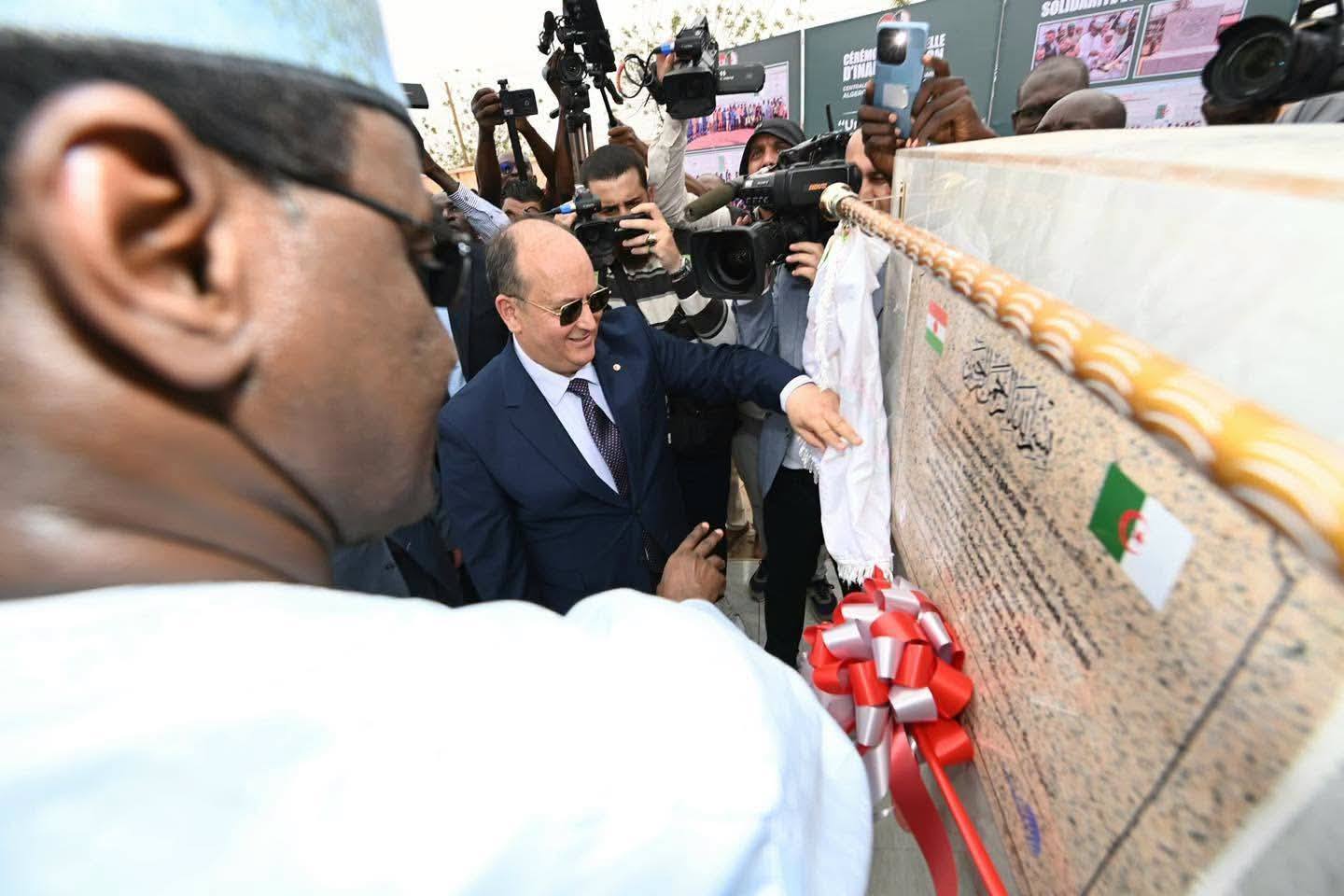
Energy cooperation as a cornerstone of Algerian-Nigerien partnership
The handover of this power plant arrives at a critical juncture for Niger, which is simultaneously pursuing industrial renewal and facing severe energy shortages. For residents across Niamey and surrounding areas, persistent power cuts have long disrupted daily life and economic activity. The new 40-megawatt facility promises to alleviate some of this strain, providing reliable electricity to thousands of households and businesses.
Algeria’s gesture transcends mere aid—it reflects a deliberate strategy to strengthen bilateral relations through tangible projects. By focusing on energy infrastructure, Algiers and Niamey are sidestepping traditional multilateral channels, instead forging a direct partnership rooted in mutual benefit and shared objectives.
« This power plant symbolizes the depth of our fraternal bonds and our shared commitment to building a strategic partnership built on real achievements, » remarked a senior official present during the ribbon-cutting ceremony.
Why Algeria’s bilateral approach matters in the Sahel
Sami Grieb’s quick return to Niamey underscores the growing momentum of the Algerian-Nigerien axis. Since Niger restructured its regional alliances within the Alliance of Sahel States (AES), Algeria has maintained and even deepened its direct engagement with Niamey’s transitional authorities.
By investing in key sectors such as energy and hydrocarbons, Algeria is reinforcing its influence across the Sahel. This partnership with Niger serves as a testament to Algiers’ enduring role in shaping regional geopolitics, even amid shifting diplomatic currents among neighboring nations.
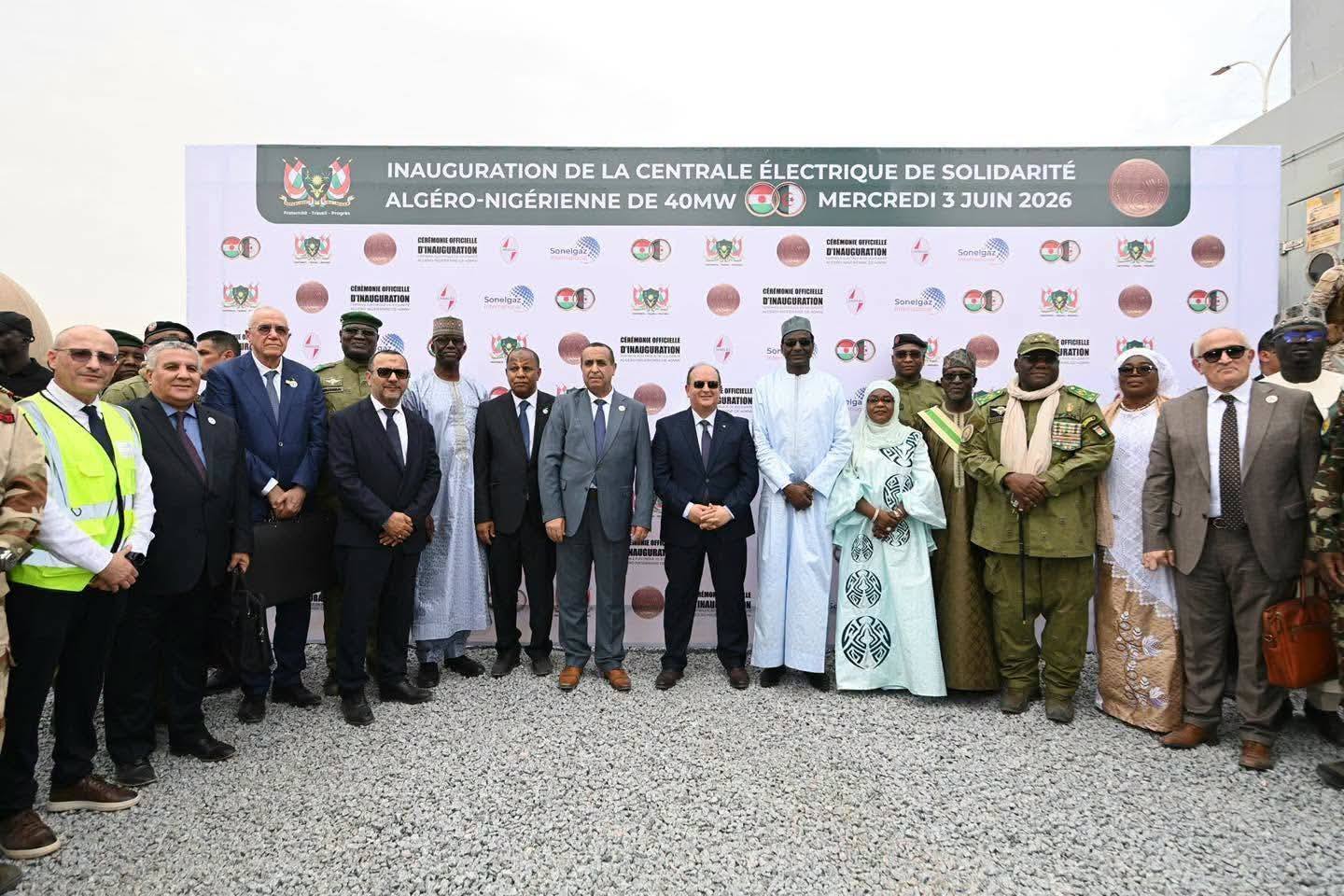
For Niger, this strengthened cooperation unlocks new avenues for economic sovereignty. As the country redefines its diplomatic and trade strategies across West Africa, access to reliable energy infrastructure positions it to better navigate future challenges and opportunities.
Ultimately, this visit reaffirms the deepening ties between Algeria and Niger—two nations united by a pragmatic vision to tackle economic and energy challenges together, one megawatt at a time.