
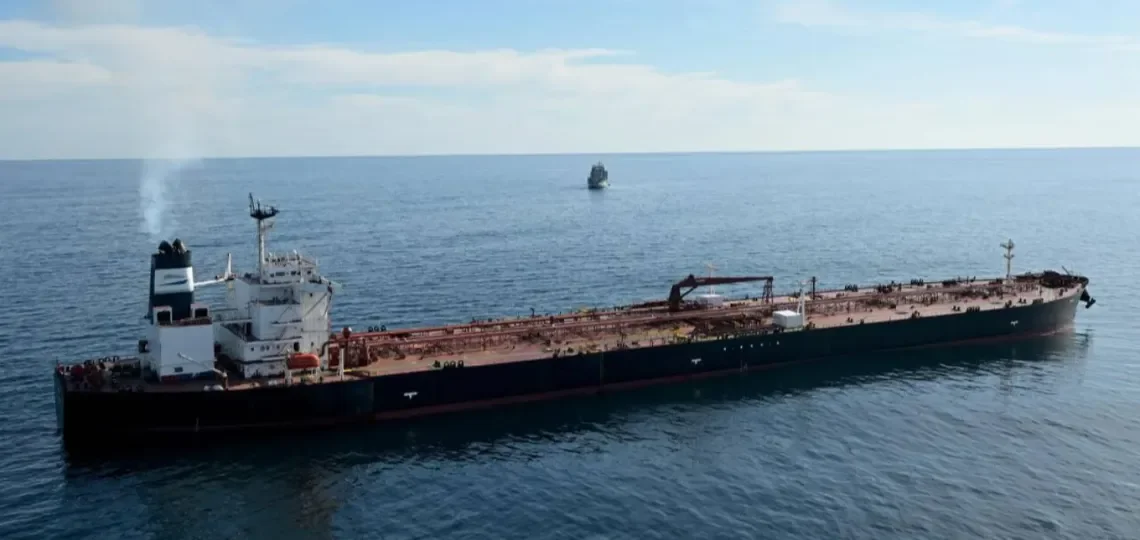
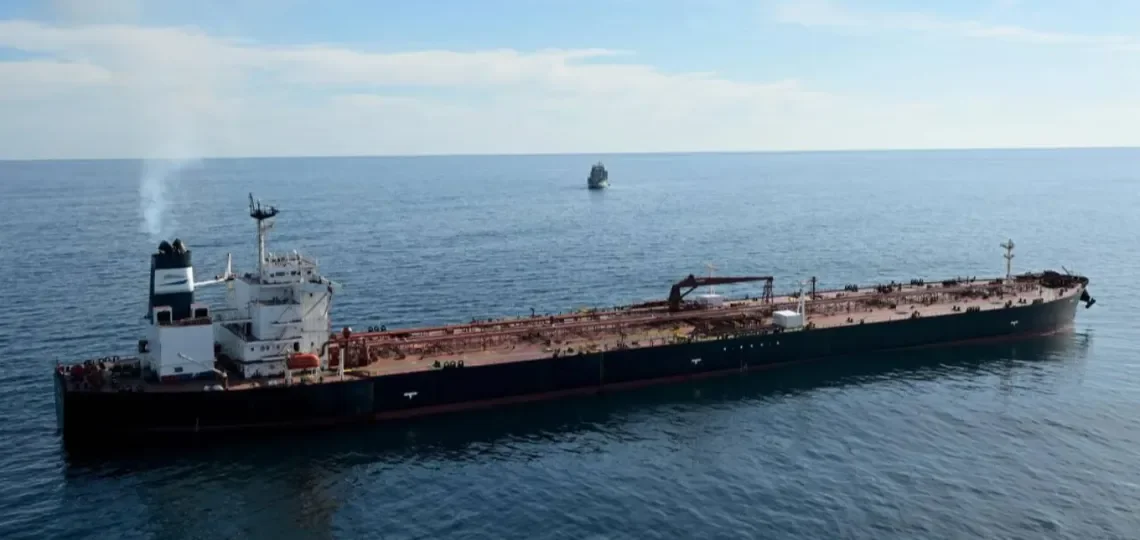
On May 31, maritime authorities intercepted the tanker Tagor approximately 740 kilometers—roughly 400 nautical miles—off the coast of Brittany. The vessel, which began its journey in Murmansk, Russia, and was purportedly heading toward Limbe, Cameroon, is now at the center of a diplomatic and legal dispute regarding its registration. Following a nationality check conducted at sea under Article 110 of the United Nations Convention on the Law of the Sea (UNCLOS), the French Navy escorted the ship to French waters.
Yaoundé rejects fraudulent use of national colors
Transport Minister Jean Ernest Masséna Ngalle Bibehe issued a firm statement via public radio, clarifying that the Tagor is absent from every official database of ships authorized to carry the Cameroonian colors. He expressed strong disapproval of the deceptive and unauthorized application of national identity markers and urged the global community to implement rigorous penalties against such violations. Furthermore, Yaoundé underscored its ongoing dedication to auditing and modernizing its maritime registry to prevent future exploitation.
This official stance serves to decouple Cameroon from any ties to the vessel, which is categorized by maritime experts as part of a “ghost fleet.” These ships are frequently utilized to transport sanctioned petroleum products across international waters while avoiding regulatory oversight. The incident highlights the persistent challenges national registries face when confronted by entities attempting to bypass global monitoring systems.
French authorities step up maritime enforcement
The seizure of the Tagor marks a significant moment in a broader campaign by France to monitor and control non-transparent shipping activities. This intervention represents the fourth operation of its kind since September 2025. Following initial onboard inspections, the matter was handed over to the public prosecutor’s office in Brest, which maintains legal jurisdiction over maritime legal proceedings.
Since June 2, the tanker has remained at anchor in the bay of Douarnenez, located within the Finistère department, pending the results of a judicial inquiry. The increasing frequency of these high-seas interceptions signals a tightening of European surveillance on oil trade routes that seek to evade international sanctions frameworks.