
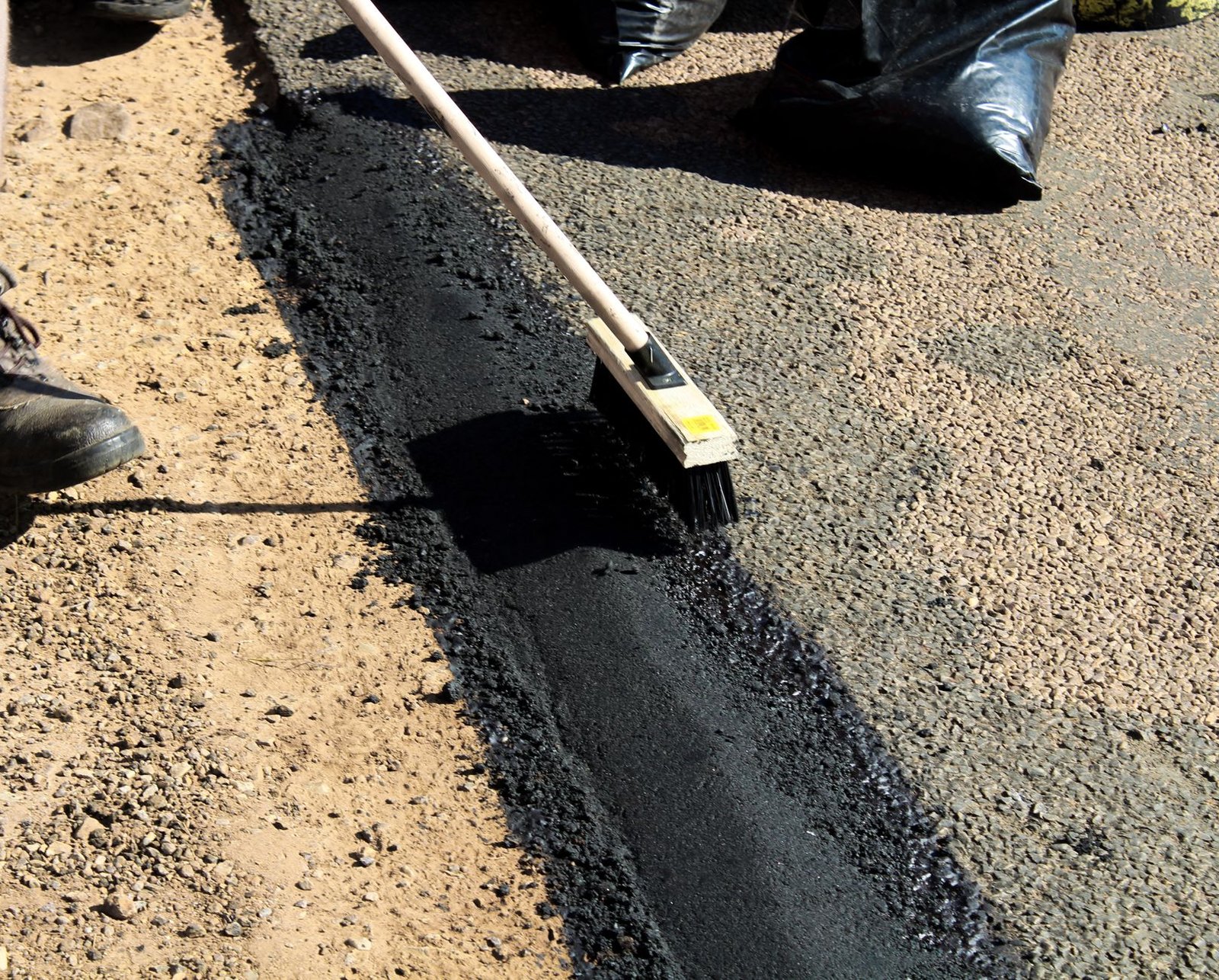
Cameroon has maintained an annual average of 488 kilometers of asphalt-paved roads from 2020 through the end of 2025, according to official figures. This accelerated pace underscores the government’s commitment to addressing the country’s long-standing infrastructure gap, where paved roads remain a minority despite the vast national territory and critical logistics demands across Central Africa.
Expanding the backbone of Cameroon’s road network
Over the five-year period, the cumulative effort has delivered nearly 2,928 kilometers of new asphalt roads, based on the reported yearly average. This expansion targets key roadways, including major intercity arteries, urban access routes, and regional connectors. In Cameroon, asphalted roads are not just infrastructure—they are a political and economic priority, enabling access to agricultural zones, streamlining export corridors, and connecting remote areas in the North and East.
The national road network, historically dominated by unpaved tracks, is gradually acquiring a more robust asphalted spine. While the 488-kilometer annual target represents a notable improvement over past performance—marked by persistent delays in large-scale projects funded by international lenders—the ratio of paved roads to the total classified network still lags behind regional benchmarks in the CEMAC zone, keeping pressure on policymakers to deliver more.
Boosting regional trade through better roads
The impact of this road paving surge extends far beyond Cameroon’s borders. As a logistics hub for Chad and the Central African Republic, Cameroon channels much of the landlocked neighbors’ trade through the Port of Douala. Every kilometer of asphalt laid on the Douala-N’Djamena and Douala-Bangui corridors translates into lower transport costs, shorter travel times, and greater reliability for freight operators. Transport companies and port authorities often adjust their pricing based on road conditions, which deteriorate rapidly during the rainy season and erode profit margins.
This road-building momentum also aligns with Cameroon’s 2030 development strategy, which prioritizes network densification as a foundation for industrialization. Agro-industrial zones in the South-West, Littoral, and far North rely heavily on reliable road connections to move goods to domestic markets and export hubs. Meanwhile, the mining and timber sectors—key drivers of foreign investment—closely evaluate road conditions when planning extraction and evacuation operations.
Funding the road revolution: debt, sustainability, and maintenance
The surge in road construction is fueled by a mix of domestic budget allocations, concessional loans from institutions like the World Bank and African Development Bank, bilateral financing, and Chinese-backed credits through Eximbank China. While this funding structure allows for rapid mobilization of large sums, it also increases the public debt burden and demands strict fiscal discipline to preserve future flexibility.
The long-term viability of this paving rate hinges on the government’s ability to meet payment obligations to contractors, several of which have raised concerns in recent years about delayed payments. Equally critical is road maintenance: without a consistent budget for the national road fund and systematic upkeep policies, newly asphalted roads can degrade within five to seven years, turning initial investments into latent liabilities. Authorities have signaled plans to strengthen toll systems and earmarked levies to secure dedicated maintenance revenue.
Whether Cameroon can sustain—or even accelerate—this 488-kilometer annual pace remains an open question, particularly amid tight budget constraints and the persistent need to upgrade secondary and rural roads across the country.