

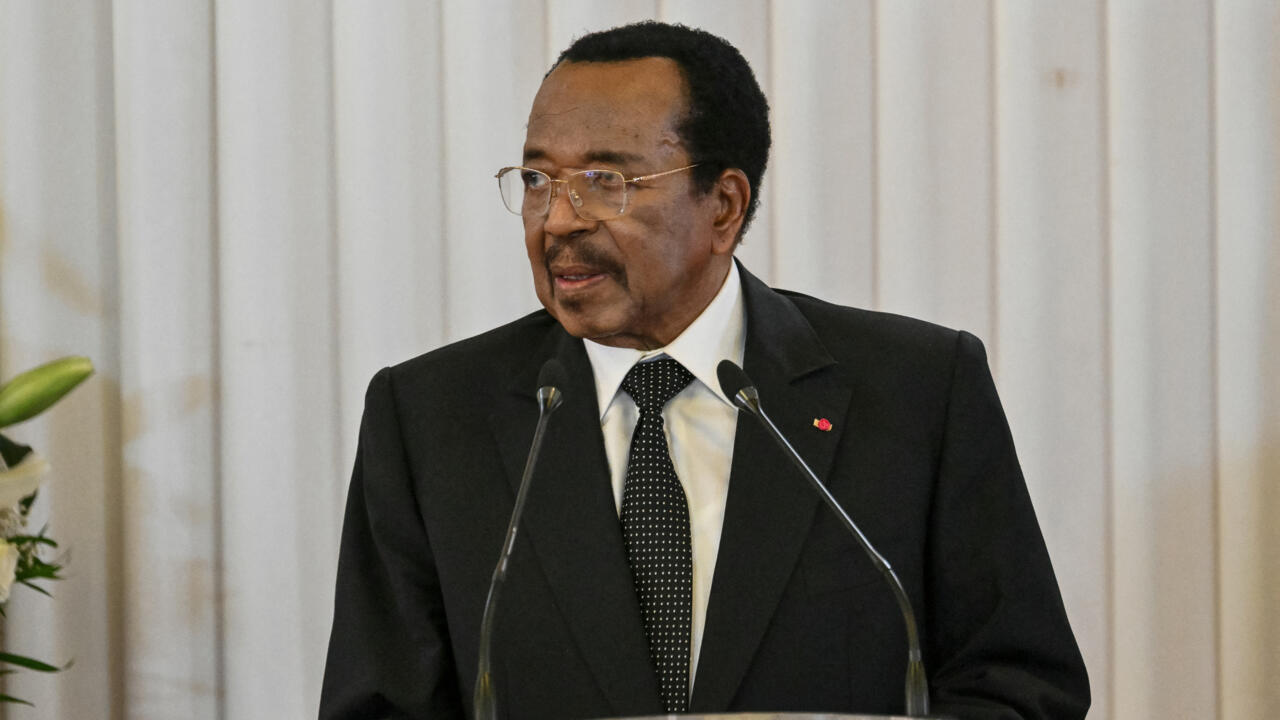
President Paul Biya of Cameroon has not been seen publicly since June 7, following an announcement by the official newspaper, Cameroon Tribune, detailing his departure for a «brief private visit to Europe.» Now, more than 50 days have elapsed without any further clarification regarding his current whereabouts or an anticipated return date, a situation made more critical by the fact that the Cameroonian head of state is 93 years old. This extended period of absence, coupled with the government’s silence, has ignited a flurry of speculation and deep anxieties concerning the stability and continuity of the state. Opposition parties are increasingly vocal, describing the situation as a «power vacuum,» a government operating on «autopilot,» or even one functioning via «telework.» This raises pressing questions: What does the Constitution stipulate in the event of a prolonged presidential absence? Could this ongoing situation impede the effective management of crucial national affairs?
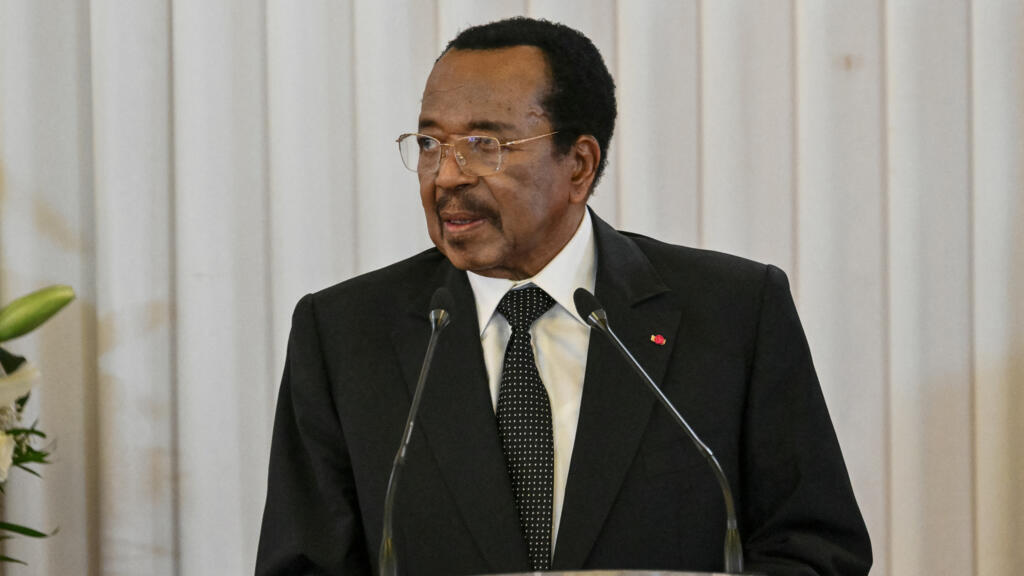
This evolving situation is analyzed by Stéphane Akoa, a respected political analyst from the Paul Ango Ela Foundation.