
In a landmark transaction that has sent ripples through the global energy sector, Oryx Energies—a Swiss oil trader with deep roots in Africa—has been sold for nearly $1 billion. This isn’t just another corporate acquisition; it’s a pivotal moment that could redefine how energy is sourced, stored, and distributed across the continent. But what does this mean for the millions of businesses, households, and industries that rely on its infrastructure?
What just happened to Oryx Energies—and why does it matter?
One of the most strategic oil trading firms operating on the African continent, Oryx Energies, has changed hands in a deal estimated at close to $1 billion. The transaction, which follows months of speculation about the company’s future, signals a major shift in the ownership and direction of a group that has shaped Africa’s energy landscape for over 30 years. The deal reflects not just a change in leadership, but the growing appetite among global investors for Africa’s energy infrastructure and distribution networks.
The real value lies beyond barrels and contracts
While headlines focus on the dollar figure, the true worth of Oryx Energies lies in its integrated model. This Swiss-based firm isn’t just a trader; it’s a full-cycle energy partner. Operating in more than 20 sub-Saharan African countries, Oryx manages everything from fuel supply and liquefied petroleum gas (LPG) to lubricants, maritime bunkering, transport, storage, and last-mile distribution. Its footprint includes:
- A massive logistics network: 1,800 employees across Africa, supported by modern storage facilities and transport systems.
- Strategic assets: A total storage capacity of 947,276 cubic meters and the ability to handle over 9.44 million metric tons of petroleum products annually.
- End-to-end control: From procurement on global markets to local distribution, ensuring reliability and cost control in volatile regions.
Why these assets are game-changers in Africa
In many African countries, reliable fuel and LPG supply can mean the difference between economic growth and stagnation. Oryx’s integrated model helps bridge the gap between international suppliers and local consumers—especially critical in remote or conflict-prone regions where energy access is a daily challenge. Its infrastructure isn’t just about moving fuel; it’s about securing energy access for industries, households, and public services.
A strategic play for both investors and Africa
With a valuation of nearly $1 billion, Oryx Energies doesn’t just trade oil—it controls a network that would take competitors years and billions to replicate. Building storage terminals, securing regulatory approvals, and establishing trust with industrial buyers are not quick or cheap feats. For a new owner, acquiring Oryx means instantly gaining a dominant position in multiple African fuel markets—effectively buying decades of market penetration and regulatory trust.
This is precisely why investors are willing to pay a premium. The deal is less about the volume of oil traded and more about the value of the infrastructure, the commercial contracts, and the deep local presence built over decades. In a continent where energy demand is surging—driven by urbanization, industrial growth, and a rising middle class—such assets are not just valuable; they’re essential.
The ripple effect across the continent
The sale of Oryx Energies is expected to trigger significant changes across Africa’s energy sector. New ownership could accelerate infrastructure investments, reshape regional supply chains, or even prompt a strategic pivot in Oryx’s business model. Several factors will influence the outcome:
- Regional impact: As Oryx strengthens or expands its networks in key countries, smaller traders may face pressure to consolidate or innovate.
- African consumer benefits: More robust logistics and storage could lead to better price stability and reduced supply disruptions for businesses and households.
- Global energy shifts: By bringing in new capital and expertise, the new owners could modernize Oryx’s facilities, improving efficiency and environmental standards.
LPG: A quiet revolution in African energy
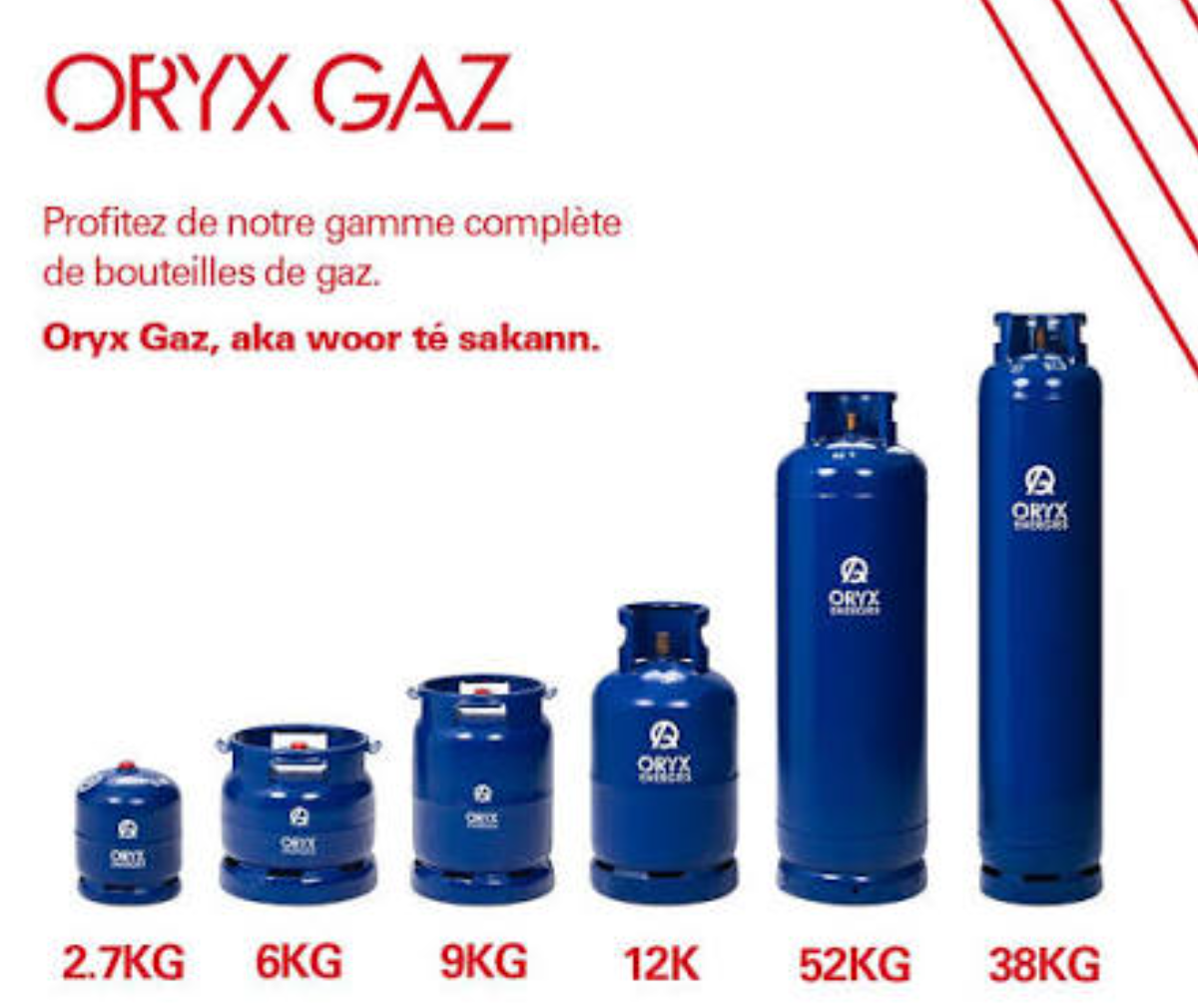
Among Oryx’s most impactful contributions is its push for liquefied petroleum gas (LPG), an alternative to charcoal and firewood that has long dominated household energy in many African nations. Oryx has made LPG a cornerstone of its business, especially in regions like East Africa. The company’s involvement in Tanzania—where it operates fuel and LPG assets valued at over $250 million—highlights the strategic importance of clean cooking solutions in stabilizing energy access and reducing deforestation.
This focus aligns with broader regional goals to transition households from solid fuels to cleaner, more efficient energy sources. As urban centers expand and environmental regulations tighten, the demand for LPG is set to grow—and companies like Oryx are at the forefront of meeting it.
What’s next for Oryx Energies—and Africa’s energy future?
This billion-dollar sale marks the end of one chapter and the beginning of another. For nearly 30 years, Oryx Energies has been a bridge between African markets and global energy suppliers. Now, under new ownership, the company faces a pivotal question: Will it expand, consolidate, diversify, or double down on its core strengths?
One thing is certain: the future of Africa’s energy will be written by those who control the infrastructure—the pipelines, the storage tanks, the last-mile networks. In that race, Oryx Energies has just become one of the most valuable players on the board. And the real question isn’t who owns it, but how its new owners will use that power to shape the continent’s energy destiny.
The stakes couldn’t be higher. Africa’s energy needs are growing every day. The businesses that fuel its economies, the families that cook their meals, and the cities that power their lights—all depend on a reliable, efficient, and modern energy system. Oryx Energies may have changed hands, but the mission remains clear: to keep the lights on, the engines running, and the future moving forward.
Bottom line: Why this deal matters
This isn’t just a corporate transaction—it’s a statement. A billion-dollar sale in an industry as volatile as oil trading? That kind of investment only happens when the assets are more than numbers on a balance sheet. They’re the backbone of Africa’s economy. And for everyone from industrial giants to local households, that backbone just got a lot stronger.