
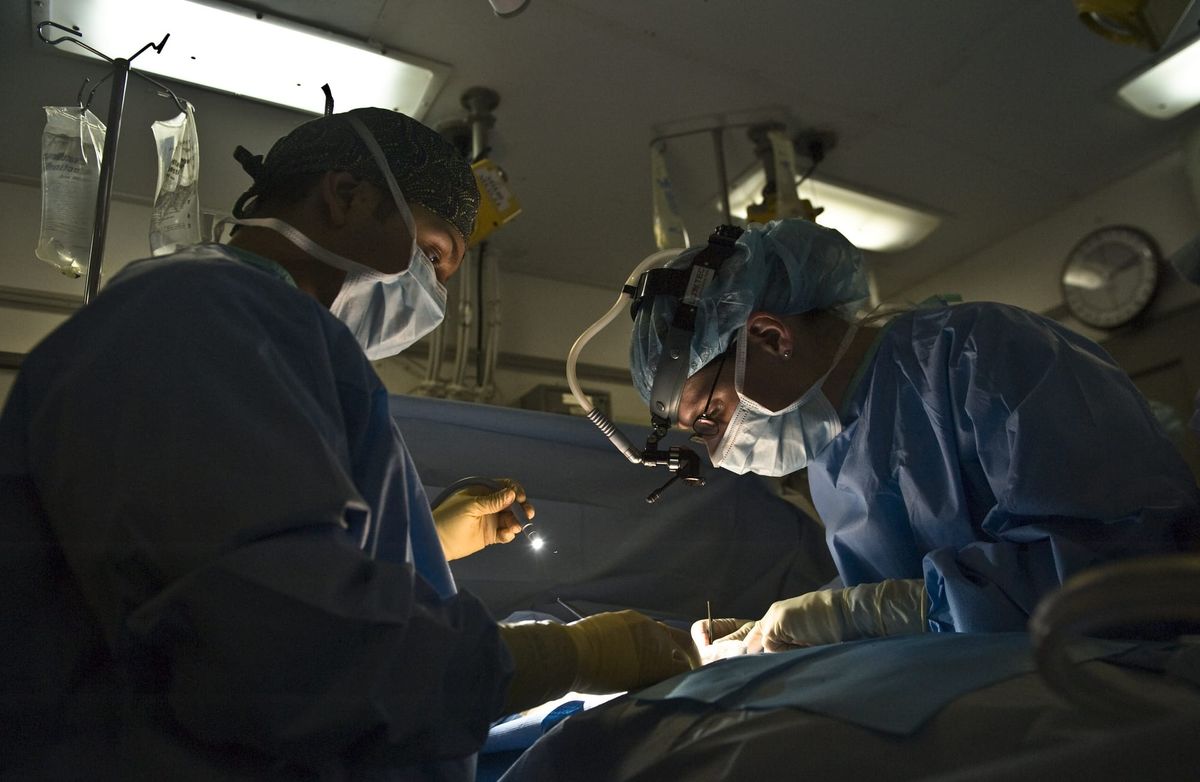
A surgical procedure in N’Djamena took a tragic turn when a patient passed away during an operation, leading to a high-profile legal case that concluded with a surprising verdict. The Chad court ruled in favor of the surgeon, dismissing involuntary manslaughter charges while imposing a modest civil fine.
Legal battle over a medical tragedy
The case unfolded at the N’Djamena Court of First Instance, where a surgeon faced accusations of unintentional homicide following the death of a 60-year-old patient during surgery. The defendant acknowledged the incident occurred but firmly denied any professional misconduct. His legal team argued that surgical procedures inherently carry risks, even in advanced healthcare systems, and emphasized that the patient’s family had provided informed consent through a signed waiver.
Key arguments in court
The defense’s strategy centered on the concept of aléa thérapeutique (therapeutic risk), asserting that adverse outcomes can occur without negligence. They highlighted the surgeon’s long-standing reputation for excellence and dedication, urging leniency while disputing any criminal intent. The prosecution, however, maintained that no evidence supported claims of deliberate malpractice or gross negligence directly linked to the patient’s death. They cautioned against the excessive judicialization of medical acts, warning that it could erode trust between doctors and patients.
A verdict balancing justice and medical realities
The court ultimately sided with the prosecution’s position. The surgeon was acquitted of the involuntary manslaughter charge, fully exonerated from the primary accusation. However, the tribunal imposed a civil fine of 50,000 Central African CFA francs, though the exact rationale behind this financial penalty remained unspecified. The ruling underscores the legal system’s recognition of the inherent uncertainties in medical practice while reinforcing accountability through procedural measures.