

Fabrice Ntchango, Permanent Secretary of Gabon’s National Climate Council, recently led the nation’s delegation to a pivotal regional workshop in Dakar, Senegal. This gathering centered on accelerating the implementation of Nationally Determined Contributions (NDCs), with a significant focus on harnessing rural electrification as a key driver for energy transition. Gabon’s presence underscored its unwavering dedication to climate action on the regional stage. During the peer-exchange workshop held in Dakar, Fabrice Ntchango reiterated Gabon’s strong regional climate commitments. The event, designed to expedite the execution of NDCs, saw the Permanent Secretary of the National Climate Council actively participating in discussions.
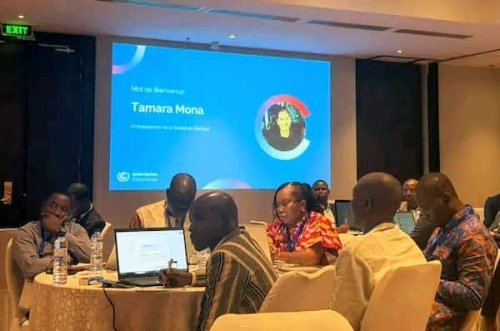
Convened under the auspices of the UNFCCC Secretariat and supported by numerous technical and financial partners, this workshop brought together various African nations. Its primary objectives included facilitating the exchange of valuable experiences, showcasing innovative solutions, and pinpointing crucial financing mechanisms to amplify the continent’s overall climate ambition.
Rural electrification takes center stage
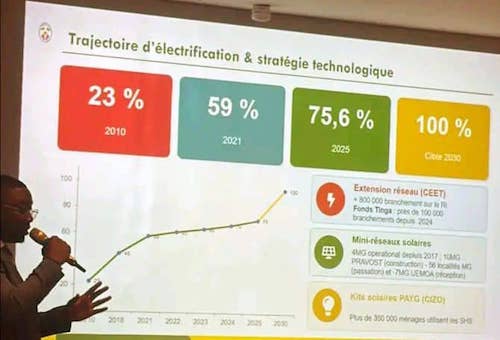
This significant regional assembly highlighted rural electrification as a core strategic element. The overarching goal is to translate the commitments outlined in NDCs into tangible, impactful, and financeable projects that directly benefit local populations.
Invited to contribute actively to the dialogues, Gabon, represented by its National Climate Council, played a vital role in the deliberations. The Gabonese delegation articulated the nation’s vision, emphasizing integrated climate solutions to harmoniously blend sustainable development with equitable energy access for all.
Consistent regional engagement
Gabon’s consistent presence at such forums demonstrates its strong desire to bolster regional cooperation and leverage successful strategies implemented by other African states.
The ultimate ambition is to develop high-impact initiatives that not only accelerate the energy transition but also significantly enhance living conditions in rural areas across the continent.
As the workshop concluded, participating nations were tasked with identifying concrete approaches and viable funding pathways to transition effectively from mere commitment to tangible action on the ground.