
Chad: Klessoum prison releases 150 inmates under presidential pardon — but what comes next?
Can a single presidential decree reshape the lives of 150 families and ease pressure on Chad’s overcrowded prisons? The mass release at Klessoum raises that question as Justice Minister Ndolenodji Alixe Naïmbaye oversees the execution of Decree No. 2151/PR/2026.
By Hassan Abderamane
What does it mean when 150 people walk out of prison gates on the same afternoon? For the families waiting outside Klessoum, it means everything. For Chad’s justice system, it raises a deeper question about how punishment, mercy and reintegration intersect.
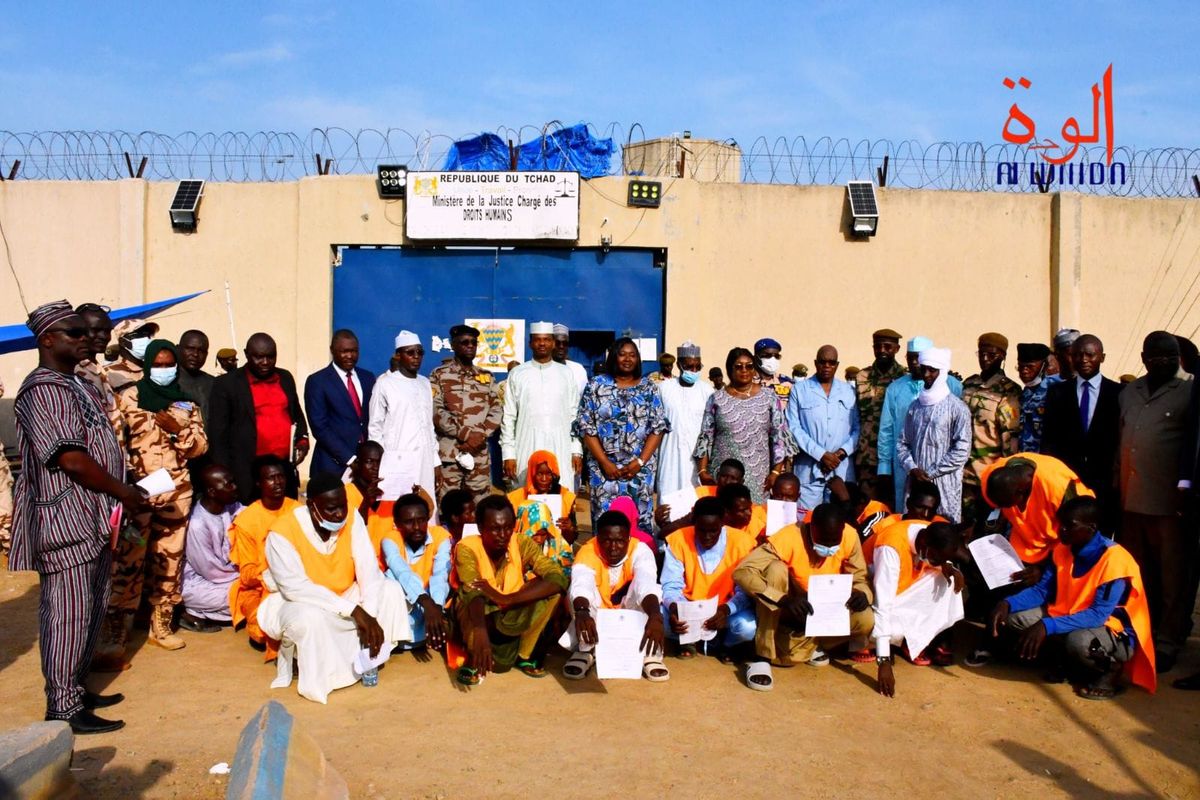
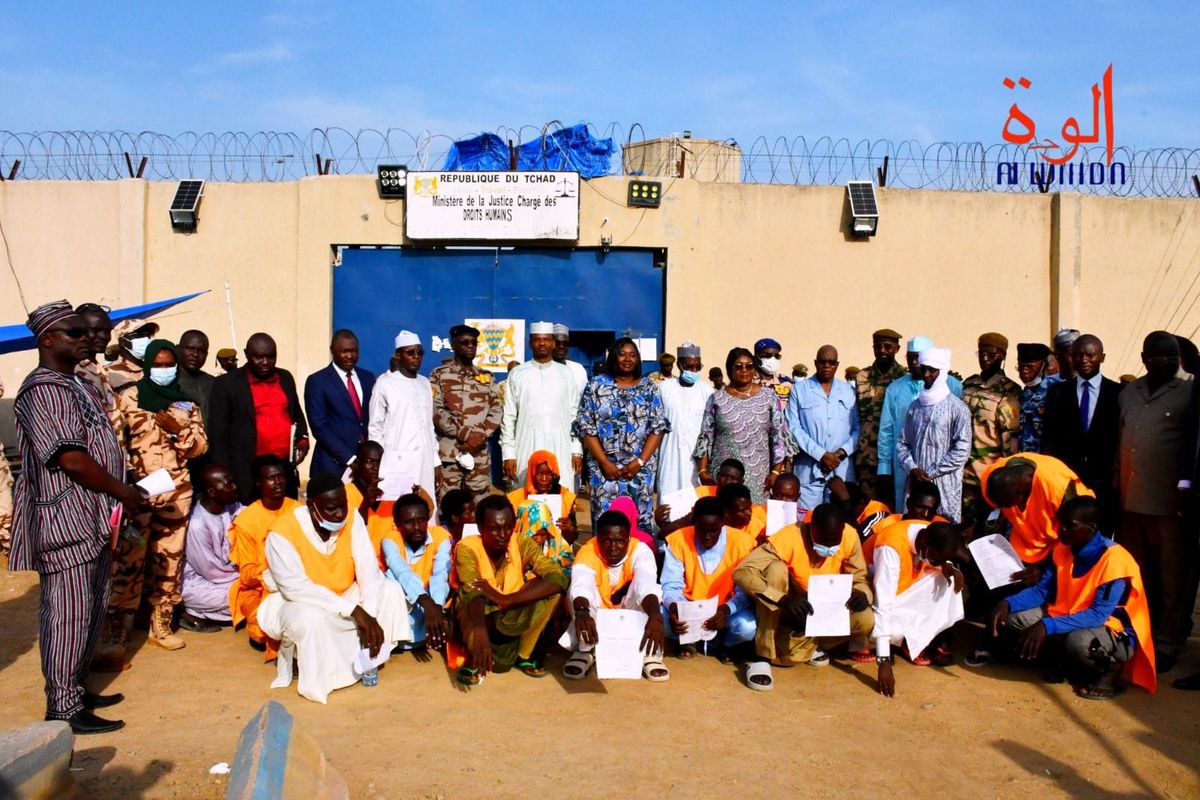
On Wednesday, September 16, 2026, Justice Minister Ndolenodji Alixe Naïmbaye presided over the official mass remission ceremony at the Klessoum prison and correctional facility, applying Decree No. 2151/PR/2026. The event took place inside the facility, with the Attorney General at the N’Djamena Court of Appeal, the Public Prosecutor and President of the N’Djamena High Court, the Secretary General of the Justice Ministry, defense and security officials, and civil society representatives all in attendance.
In total, 150 detainees regained their freedom under the decree’s provisions.
What the justice minister said about the decree
In her address, Minister Naïmbaye paid tribute to the head of state, who she said acted out of humanity and fairness in extending clemency to citizens under final, enforceable sentences. “For the Marshal of Chad, every citizen deserves competent, swift, accessible and equitable justice,” she declared.
The minister explained that the pardon is a sovereign prerogative embedded in the constitution, frequently exercised by the President to remit or reduce sentences for thousands of convicts. She noted that Marshal Mahamat Idriss Deby Itno, as father of the nation, signed Decree No. 2151/2026 on August 14, 2026, granting collective remission of sentences.
She described the measure as “an act imbued with humanism and compassion” and more than a mere event — a milestone in which some definitively sentenced common-law offenders would see their prison terms reduced in stages, or even walk free.
How the legal scale triggered immediate releases
The decree’s legal scale, applied without delay, resulted in the automatic release of 150 detainees whose remaining sentences were fully served. According to the minister, the decision serves the fundamental aims of public justice policy and prison administration on several fronts.
- It reflects a stated commitment to more humane detention conditions and a pragmatic adjustment of how sentences are carried out.
- It represents targeted but constructive clemency.
Naïmbaye stressed that the remission applies exclusively to prison sentences and does not erase the rights of the state, civil parties or third parties.
Rights of the state and victims remain intact
The minister reaffirmed her department’s determination to modernize justice institutions and consolidate the rule of law, with the support of partners whose ongoing commitment she acknowledged.
During the ceremony, release certificates were handed to the former detainees who benefited from the pardon under Decree No. 2151/PR/2026 — a moment of joy and emotion that ended with a group photo to mark the occasion.
What remains unanswered after the gates close
The release itself is only the first chapter. The bigger question — one that Klessoum’s gates cannot answer — is whether these 150 individuals can rebuild their lives, and whether the system that freed them will also support their return to society. For now, the decree has done its work. What comes next is a matter of policy, community and time.