
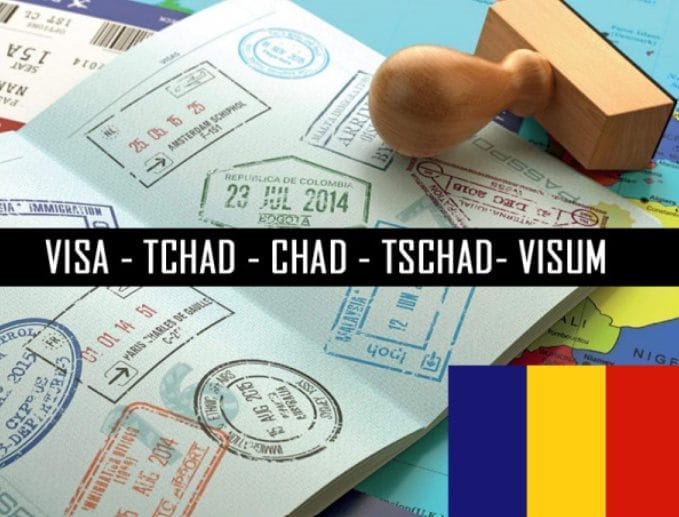
The government of Chad has officially declared the abolition of visa requirements for African travelers, effective January 1, 2027. President Mahamat Idriss Déby Itno unveiled this landmark decision during the opening ceremony of the African Water Forum in N’Djamena, held with the support of the World Bank.
This policy shift transforms Chad into one of Africa’s increasingly open nations, aligning with continental efforts to ease cross-border mobility. The move comes as the African Union intensifies its push for visa liberalization to boost regional integration, economic exchanges, and human mobility across Africa.
What the visa-free policy means for travelers and Chad’s economy
While the timeline is set, the practical arrangements remain under development. Over the next year, Chadian authorities must finalize border control protocols, administrative processes, and infrastructure upgrades to ensure smooth implementation. As a landlocked nation bordering six countries and facing persistent security challenges, Chad’s transition to visa-free entry presents both opportunities and operational hurdles.
The decision carries significant diplomatic weight. By choosing the African Water Forum—attended by government officials, financial partners, and regional experts—as the platform to announce this change, N’Djamena underscores its commitment to continental cooperation and sustainable development.
For travelers, the policy removes bureaucratic barriers, potentially boosting tourism, business travel, and academic exchanges. Entrepreneurs, students, and researchers will find it easier to visit Chad, provided that transport links and border management systems are strengthened in parallel. This aligns with the African Continental Free Trade Area’s vision of fostering seamless mobility to stimulate trade and investment.
Yet, the success of this initiative will depend on robust coordination between security agencies, migration authorities, transport operators, and neighboring countries. Past experiences in visa liberalization across Africa show that without such coordination, even well-intentioned policies can falter at the border.
For Chad, this marks a pivotal moment in its regional positioning. As a member of the Central African Economic and Monetary Community (CEMAC), the country is navigating complex dynamics of regional integration—where free movement remains an ideal, but uneven in practice. By joining the growing list of African nations embracing open borders, Chad signals its readiness to play a more active role in continental economic and social integration.