
A legal complaint has been filed against Ousmane Sonko, Senegal’s Prime Minister and leader of the Pastef party, following public statements he made about alleged illicit financial flows in Touba, the holy city of the Mouride brotherhood. The plaintiff has approached the prosecutor’s office at the Dakar Court of First Instance to seek a legal assessment of the remarks and their potential criminal implications. This development unfolds amid a politically charged climate, marked by swift institutional changes since the new majority took office in 2024.
a challenge to the words of a sitting prime minister
The controversial statement—”dirty money has entered Touba”—was made by Ousmane Sonko during public engagements focused on economic transparency and the eradication of opaque financial networks in the country. The complainant argues that these remarks tarnish the reputation of the religious city and, by extension, the Mouride community at its core. By submitting the case to Dakar’s prosecutor, the goal is to determine whether the comments constitute a legitimate exercise of political speech or an infringement on the honor of a collective.
The legal proceedings raise a rarely addressed constitutional question in Senegal: to what extent can a sitting Prime Minister be held accountable for statements made in a professional or unofficial capacity? The prosecutor will first assess the admissibility of the complaint before deciding whether to open a preliminary investigation. No official timeline has been disclosed by judicial authorities at this stage.
touba: a city of spiritual and economic significance
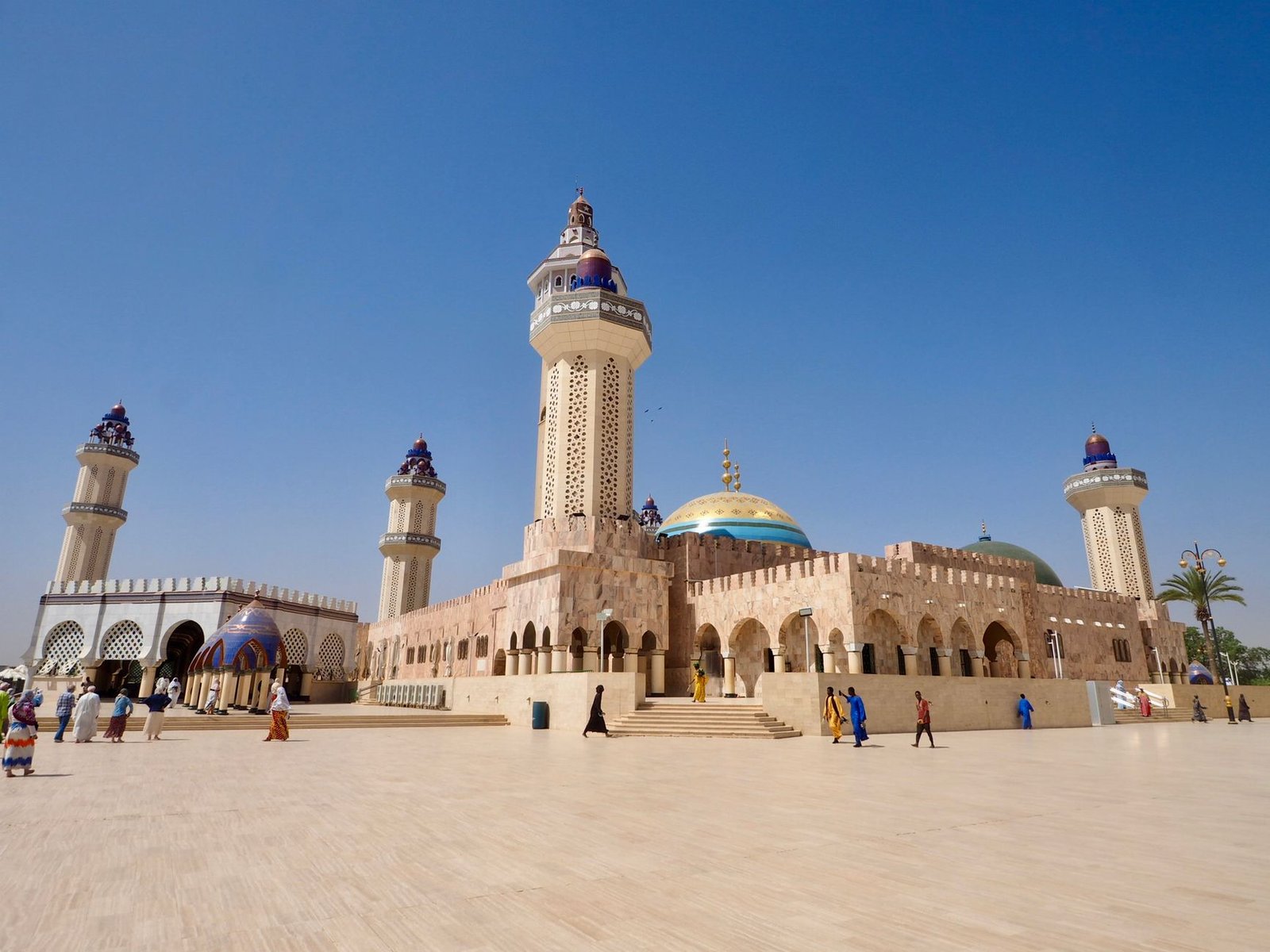
Touba holds a unique position in Senegal. Founded in 1887 by Cheikh Ahmadou Bamba, it serves as the spiritual heart of the Mouride brotherhood, whose social, economic, and electoral influence remains profound. The city boasts a thriving commercial sector, substantial financial flows tied to trade, real estate, and diaspora remittances, and a distinctive status rooted in long-standing arrangements with the central government. Any public scrutiny of the integrity of Touba’s economic networks directly challenges a delicate political and religious equilibrium that has developed over decades.
By pointing to the infiltration of “dirty money” into the holy city, Ousmane Sonko aligns himself with the Pastef’s anti-corruption agenda, a pillar of his administration since assuming power. However, the bluntness of his wording has drawn immediate criticism from religious and political circles. Many have demanded clarity on the specific allegations, the individuals involved, and the concrete steps taken by state agencies—such as the National Financial Intelligence Unit (CENTIF)—to curb these illicit flows.
a defining moment for state-brotherhood relations
Beyond its legal implications, the complaint lodged with Dakar’s prosecutor represents a critical test for the historically pivotal relationship between Senegal’s government and the country’s major religious orders. Political observers are closely watching how Ousmane Sonko’s administration balances its reformist discourse with the traditional deference owed to the Mouride leadership, who have long acted as mediators in national crises.
International investors and partners are also monitoring the situation. Dakar is one of West Africa’s most closely watched financial hubs, and any official mention of money laundering on its soil fuels discussions within the Intergovernmental Action Group against Money Laundering in West Africa (GIABA). The handling of this complaint—and the political response it elicits—will reveal much about the new government’s ability to reconcile its anti-corruption rhetoric with the need for domestic stability.