
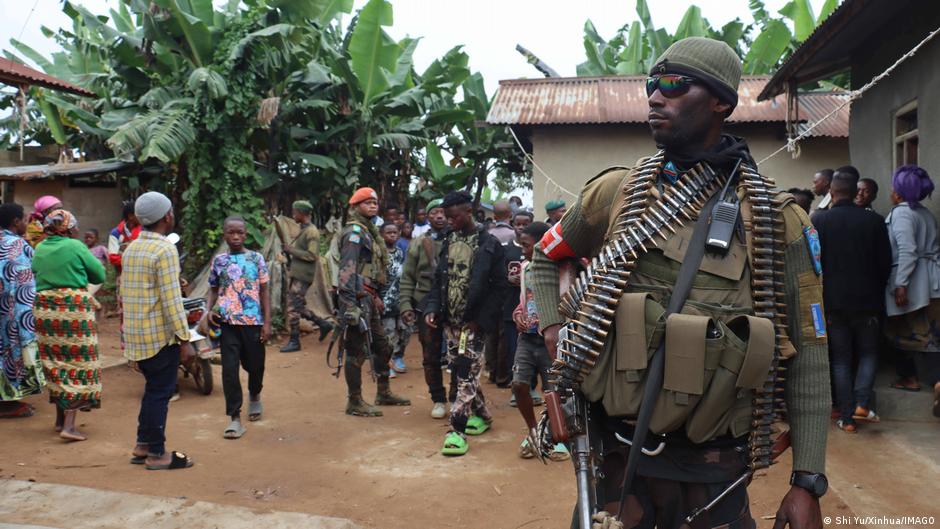
The Congolese military has issued a sweeping ban on smartphone use by its troops, citing security risks and operational failures in the eastern Democratic Republic of the Congo (DRC). Army leadership warns that unchecked phone use has repeatedly compromised missions and endangered soldiers’ lives by exposing their positions to hostile forces.
Tensions have flared in recent months as social media platforms became battlegrounds for soldiers airing operational grievances. Viral videos depict Congolese troops and Wazalendo fighters either celebrating battlefield victories, pleading for reinforcements, complaining about logistics, or retreating under fire. These unauthorized disclosures have drawn sharp criticism from military command, which now views smartphone misuse as a critical vulnerability.
A mid-ranking officer stationed in the Uvira-Fizi operational zone of South Kivu, who requested anonymity, shared his perspective on the new directive:
Personal safety vs. operational secrecy
“I routinely carry my phone into battle to stay connected with my family. My loved ones need assurance that I’m still alive—combat is a matter of life and death. No soldier would willingly reveal their position to the enemy. Still, we’ve been ordered to comply with the ban, though we’d prefer fewer strategic retreats that weaken our forces on the ground.”
The army’s interim spokesperson, Lieutenant Colonel Mak Hazukay, emphasized the security implications in a recent statement. An active or carelessly used phone can betray troop locations, enabling enemy targeting. He urged soldiers to refrain from sharing sensitive data—positions, movements, missions, unit sizes, or operational footage—via social media or messaging apps.
Civil society backs the crackdown
Kelvin Bwija, coordinator of the Congolese civil society group Socico in Uvira Territory, welcomed the measure as a step toward curbing internal betrayals. Some FARDC personnel, he noted, allegedly used their phones to coordinate with hostile groups, leaking critical information to adversaries of the DRC.
“This declaration deserves praise. Certain soldiers exploited their devices to collaborate with enemies of the DRC, transmitting instructions and sensitive data. As civil society, we fully endorse this army stance.”Upholding military discipline
Human rights lawyer Maître Aimé Bisimwa acknowledged smartphones’ vital role in daily life but stressed that soldiers must adhere to orders. He framed the ban as a global military norm:
“This doesn’t violate communication rights. Worldwide, militaries conceal their positions from enemies. Regardless of their circumstances, soldiers must remember their oath to serve until the ultimate sacrifice.”
Meanwhile, clashes persist across villages in the highlands of Mwenga and Fizi territories in South Kivu. The fighting pits the AFC/M23–Twirwaneho rebel coalition—allegedly backed by Rwanda—against the FARDC-Wazalendo alliance, reportedly supported by Burundi.