
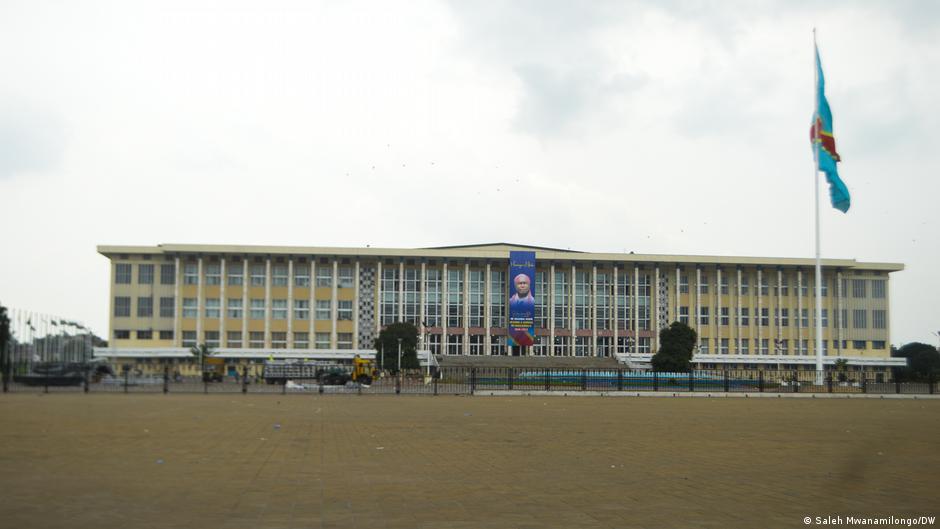
The Democratic Republic of Congo is currently gripped by a fierce debate regarding potential changes to its Constitution. Following the National Assembly’s approval of a referendum framework on May 27, the political climate has reached a boiling point. Supporters of the move argue it is a vital step for institutional modernization, while critics see it as a calculated attempt by President Félix Tshisekedi to extend his tenure. These tensions have sparked significant opposition mobilization, turning the reform project into an explosive national issue.
Congolese youth divided over institutional changes
Beyond the political rhetoric, the younger generation—who make up the bulk of the population—remains divided. In Kinshasa, some young citizens view the reform as a landmark opportunity to rebuild the nation’s foundations and correct institutional flaws. Conversely, others are skeptical, questioning the government’s priorities and the timing of the initiative amidst ongoing economic hardships and persistent security crises in the East.
Katumbi warns against crossing the “red line”
Opposition leader Moïse Katumbi has been vocal in his disapproval, famously stating that the Constitution is not a garment to be swapped at will. He maintains that the current administration is overstepping a critical boundary. In a recent dialogue, Katumbi raised alarms about the potential fallout for Congolese democracy, directly challenging Félix Tshisekedi’s intentions and the long-term consequences of such a project for the country’s stability.
The C64 coalition launches a legal offensive
Escalating the conflict, the C64 coalition—a group of opposition parties including Katumbi’s—is set to file a formal complaint against the Head of State on June 9 in Kinshasa. The group accuses the President of attempting to seize power through force, marking a significant intensification of the political standoff.
However, legal expert Jonas Ngalamulume suggests that the impact of this filing might be more psychological than legal. While it serves as a powerful political statement and keeps the pressure on the government, its actual judicial weight may be limited. Nonetheless, the move ensures that the constitutional debate remains at the forefront of public discourse and reinforces the opposition’s strategy.
As both sides entrench their positions, the constitutional debate has evolved into a defining political struggle for the Democratic Republic of Congo. The nation’s future now hinges on the unfolding institutional decisions and the public’s response to these proposed shifts, as accusations of authoritarian drift clash with promises of a national rebirth.