
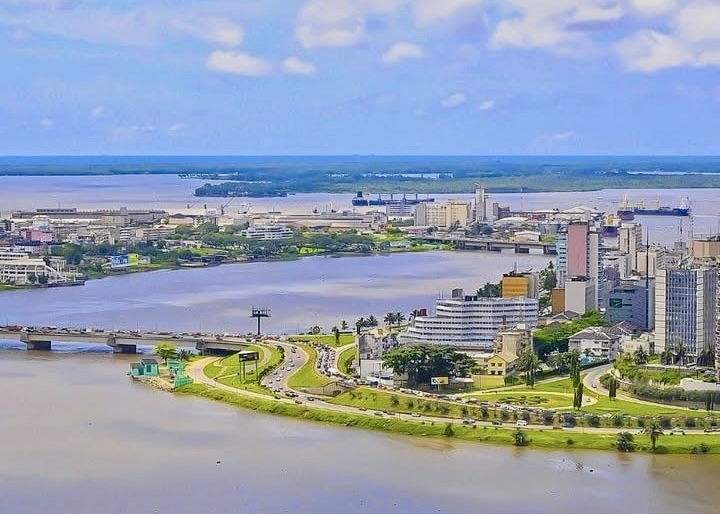
The economic landscape of West Africa is being reshaped by a single nation: Côte d’Ivoire. As the primary engine of the West African Economic and Monetary Union (UEMOA), Abidjan continues to set the pace for regional development through an unmatched combination of economic dynamism, cutting-edge infrastructure, and strategic investments. This sustained growth solidifies its reputation as one of the continent’s most influential economic hubs.
Public investments: Côte d’Ivoire outpaces regional peers
With over 4,195 billion FCFA allocated to public investments in the latest budget cycle, Côte d’Ivoire stands far ahead of its neighbors in the UEMOA. This financial commitment enables the country to execute large-scale projects across infrastructure, transportation, energy, and urban development simultaneously—a feat unmatched in the subregion. The total surpasses the combined public investment plans of Mali, Burkina Faso, and Niger, which together allocate just under 2,100 billion FCFA—less than half of Côte d’Ivoire’s budget.
Within the UEMOA framework, Côte d’Ivoire commands a dominant share, accounting for 44% of all planned public investments across the union. This allocation is nearly three times higher than that of Benin, over four times that of Senegal, and significantly greater than Guinea-Bissau’s. Such figures underscore the country’s central role in driving regional economic progress.
Economic drivers behind Côte d’Ivoire’s success
Economist Nouvou Berté highlights several key factors behind this economic momentum. The size of the domestic market, robust tax revenues, and access to international financial markets provide the foundation for large-scale investment programs in sectors critical to economic transformation. On a per capita basis, Côte d’Ivoire leads with approximately 116,500 FCFA in public investments per citizen, outperforming Togo and Benin, and far exceeding Senegal, Mali, Burkina Faso, and Niger.
While investment volume is a key indicator, it is not the sole measure of success. Some countries, such as Togo and Benin, dedicate a higher percentage of their budgets to investment. However, the true test lies in execution efficiency. Well-constructed roads, functional ports, modern universities, reliable electricity grids, and thriving industrial zones only deliver value when projects are implemented with precision and aligned with economic needs.
A bright economic future for Côte d’Ivoire
Projections for the coming decades reinforce Côte d’Ivoire’s regional leadership. Independent economic assessments anticipate a doubling of the country’s GDP by 2040, driven by industrial expansion, a thriving agro-industry sector, and diversified exports including cocoa, gold, and energy. The Port of Abidjan remains a vital commercial gateway for West Africa, further cementing Côte d’Ivoire’s role as a regional logistics powerhouse.
The data paints a clear picture: Côte d’Ivoire possesses the financial resources, infrastructure, and production capacity to exert greater influence than its neighbors within the UEMOA. The next challenge is to translate this economic strength into sustainable benefits for businesses, job creation, and improved living standards for its people.
