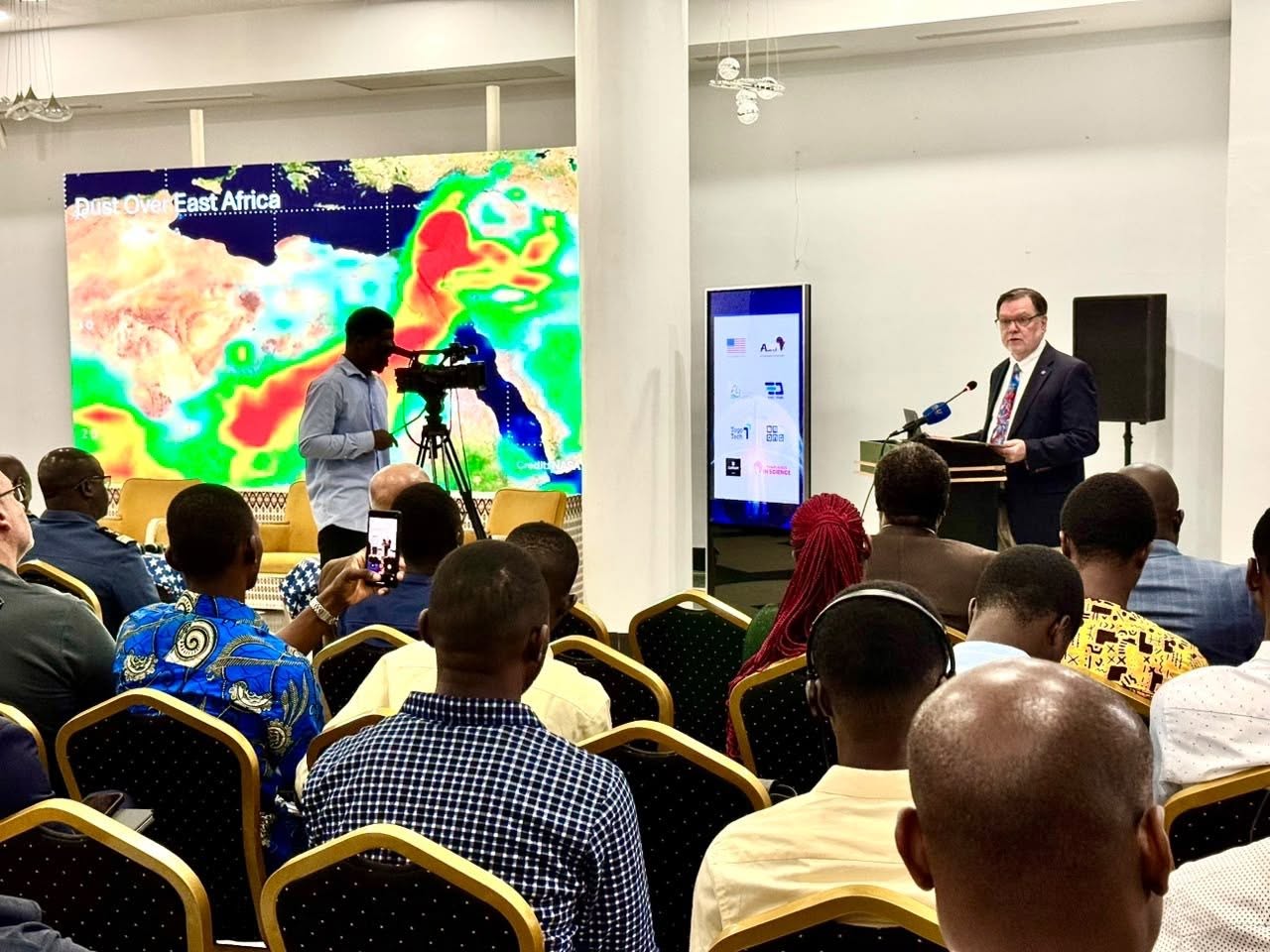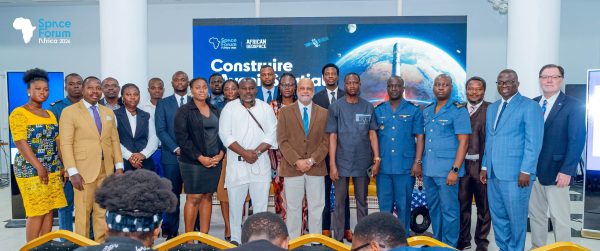
From July 28 to 30, Lomé became the epicenter of a groundbreaking conversation about Africa’s future. The Space Forum Africa 2026 brought together policymakers, researchers, investors, and entrepreneurs to explore a radical shift in thinking: space technologies are no longer just about gazing at Earth from above. They now promise tangible solutions to Africa’s most pressing challenges—from boosting agricultural productivity and fortifying climate resilience to enhancing communications and unlocking new economic frontiers.
For decades, Africa’s space ambitions were framed in lofty terms—launching satellites, funding research programs, training experts. Yet in Lomé, the dialogue took a decisive turn. The focus wasn’t on whether Africa could reach space, but on how space could reach Africa. How could orbital data empower farmers to optimize yields, help governments predict disasters before they strike, or bridge the digital divide in remote regions?
From data streams to decision-making: transforming space into real-world solutions
The forum’s core revelation was clear: the value of space lies not in its distance from Earth, but in its proximity to solving everyday problems. Satellite data, once a distant abstraction, is now a powerful tool for decision-makers across the continent. For economies grappling with climate change, fragmented information networks, and the urgent need for better forecasting, these technologies offer more than just data—they provide actionable insights.
This shift isn’t just theoretical. It’s creating opportunities for African tech startups to build homegrown solutions that leverage satellite imagery, weather monitoring, and geospatial analytics. As these technologies become more accessible, they’re not just tools for observation—they’re engines for innovation, enabling local entrepreneurs to develop high-value products and services tailored to Africa’s unique needs.
Jim Adams and the NASA legacy powering Africa’s space revolution
To anchor these discussions in real-world expertise, the U.S. Embassy in Lomé invited Jim Adams, a NASA veteran with over four decades in space exploration and satellite technology. His presence underscored a critical point: Africa’s space future isn’t just about hardware or prestige—it’s about leveraging proven technologies to address concrete economic and social challenges.
Adams highlighted how space-based solutions are already transforming sectors like agriculture, where farmers use satellite data to monitor crop health and predict droughts. In climate resilience, these tools help governments track deforestation, manage water resources, and prepare for extreme weather events. And in communications, satellite networks are bridging gaps in connectivity, ensuring even the most remote communities stay connected.
Yet the deeper question lingers: who will develop the technologies of tomorrow, and who will capture their economic value? The forum made it clear that Africa’s role isn’t limited to being a consumer of foreign tech. The continent’s innovators are poised to become key players in this new space economy.
Building bridges: how U.S.-Africa partnerships are unlocking space’s economic potential
The growth of Africa’s space economy hinges on more than just technological advancements—it depends on strong partnerships. The Space Forum Africa 2026 emphasized the importance of fostering connections between African startups, research institutions, and American companies specializing in space technologies and services.
This isn’t just about scientific collaboration. It’s about commercial diplomacy, investment, and knowledge transfer. For African entrepreneurs, the goal is to move beyond simply adopting foreign technologies and instead co-create solutions that address local needs. For international partners, the opportunity lies in tapping into Africa’s untapped talent, identifying new market demands, and forging partnerships that benefit both sides.
The forum’s structure was designed to catalyze these connections. Through structured dialogues, matchmaking sessions, and hands-on workshops, participants explored how to translate space-based research into viable business models. The message was clear: the next chapter of Africa’s space journey won’t be written in isolation—it will be a collaborative effort.
Space as Africa’s invisible infrastructure: the link between orbit and ground reality
The Space Forum Africa 2026 reframed space not as a distant frontier, but as an invisible infrastructure as vital as roads, electricity, or internet connectivity. A satellite tracking soil moisture can help farmers decide when to plant. A climate monitoring system can give governments weeks to prepare for a looming drought. A communication satellite can connect a rural health clinic to life-saving telemedicine services.
This infrastructure doesn’t announce itself with towering launchpads or flashy headlines. Its impact is measured in hectares of saved crops, in lives protected from disasters, and in communities no longer left behind. The forum in Lomé challenged the narrative that space is a luxury—it’s proving it’s a necessity for Africa’s sustainable development.
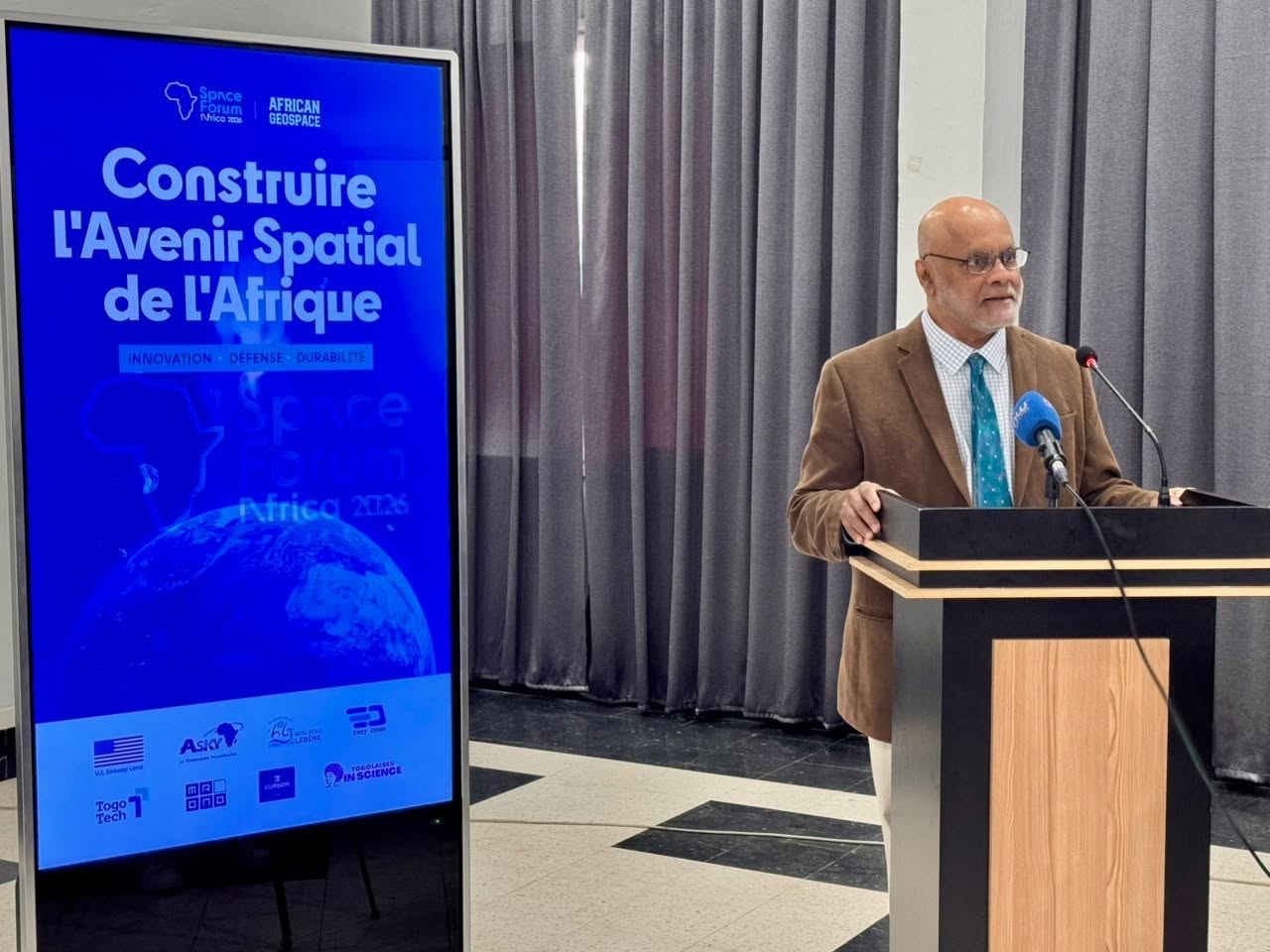
Washington and Lomé: expanding the frontiers of peaceful space innovation
The U.S. Embassy’s support for the forum wasn’t just symbolic—it was a strategic investment in a shared future. As the United States marks a milestone in its own innovation history, its partnership with Africa reflects a commitment to a space sector built on collaboration, responsibility, and mutual benefit.
The next era of Africa’s space story may not be defined by rocket launches or satellite deployments alone. Instead, it could hinge on Africa’s ability to transform raw orbital data into marketable solutions, research into profitable enterprises, and scientific partnerships into economic engines. In Lomé, the sky wasn’t just observed—it was presented as the next great frontier of development.