
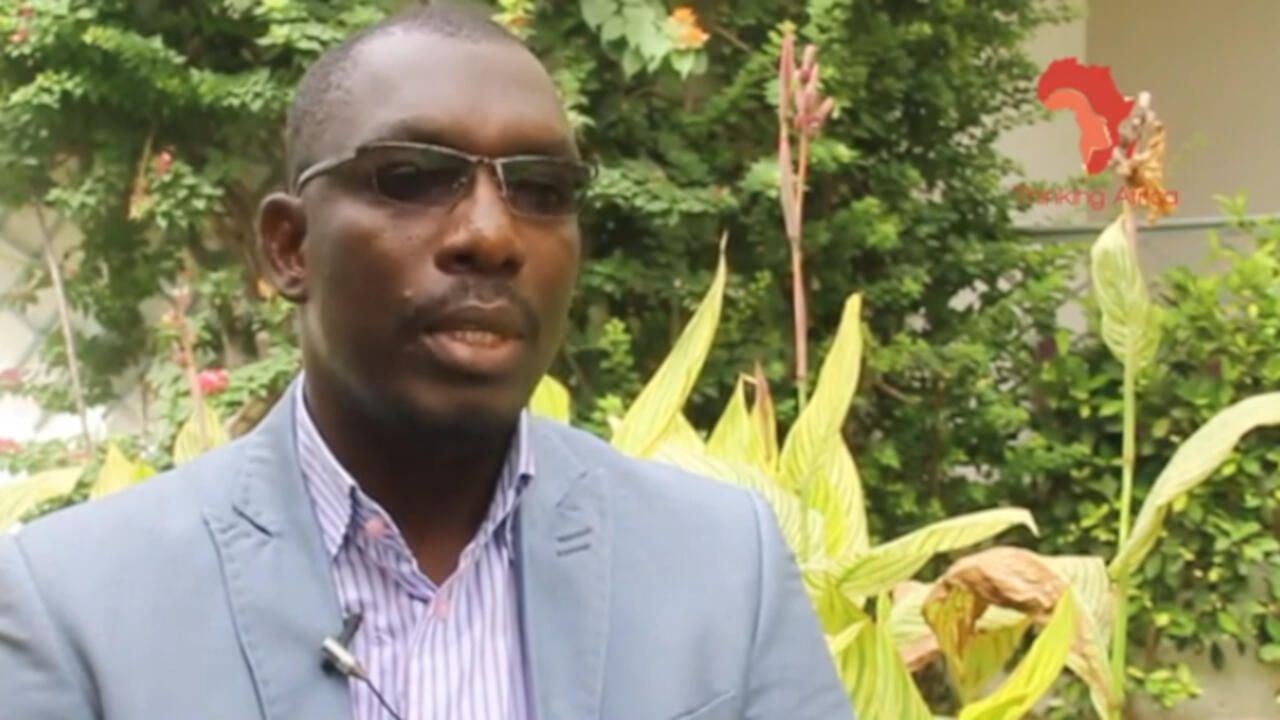
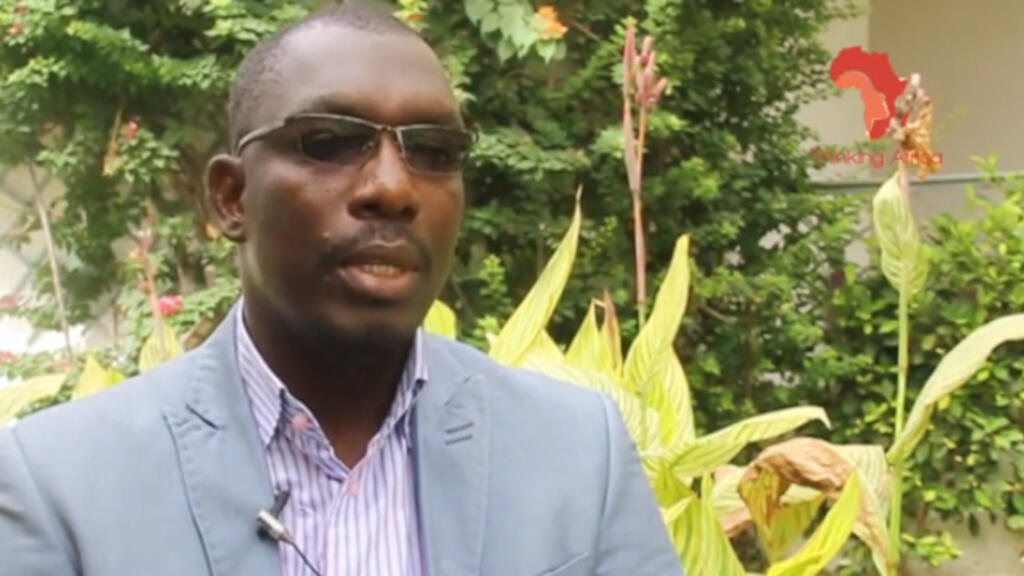
The Côte d’Ivoire has recently concluded an electoral period marked by the dominance of the ruling RHDP party. President Alassane Ouattara secured a fourth term, a move that sparked controversy, while his party clinched over three-quarters of the seats in the National Assembly. This outcome came at the expense of the PDCI, which lost half of its deputies, and the PPA-CI, which abstained from the vote. With persistent divisions within opposition parties and the ruling party struggling to groom a consensus successor to the president, is Côte d’Ivoire witnessing the conclusion of a three-decade political era dominated by Henri Konan Bédié, Laurent Gbagbo, and Alassane Ouattara? Insights from Dr. Séverin Yao Kouamé, a sociologist and researcher at the University of Bouaké, provide some answers as he discusses the topic with journalist Sidy Yansané.
the fading era of gbagbo and the challenge of political renewal
RFI: Dr. Séverin Yao Kouamé, the PPA-CI recently announced its first congress for next May. However, its leaders have reaffirmed Laurent Gbagbo’s leadership, despite his age and fragile health, and the departure of key figures like Stéphane Kipré, Armand Ouégnin, and Ahoua Don Mello. Can we already say that the era of opposition leader Gbagbo is coming to an end?
Dr. Séverin Yao Kouamé: Physical condition is certainly a factor. But whether his era is ending requires deeper reflection. Gbagbo has been a historical opposition figure since Houphouët-Boigny’s era, a champion of multiparty democracy, and a key player in major political struggles for over three decades. However, it is clear that physically, he has reached a point where stepping aside is necessary. The real question is: who can carry forward the political legacy Gbagbo has built over the past thirty years?
RFI: Simone Ehivet and her Mouvement des Générations Capables failed to secure any seats in the National Assembly, despite forming an alliance with Charles Blé Goudé’s COJEP and the PDCI. Why do prominent opposition figures struggle to make their voices heard today?
Opposition formations like the MGC are still in their early stages. Building electoral support takes time, especially when the electorate itself has changed dramatically. Today, young voters aged 18-35 are disillusioned with electoral politics—not just on the left, but across the political spectrum. The challenge is to reignite enthusiasm for politics. For years, political campaigns have relied on identity and fear-based messaging, convincing voters that only those in power can bring tangible benefits like roads, schools, and security. This approach is no longer effective.
RFI: You mentioned similar challenges within the liberal wing of the political scene. Divisions within the PDCI and the prolonged absence of its new president, Tidjane Thiam, have led the former ruling party to lose half of its deputies in just five years. Do you believe this proves the party is struggling to recover from the death of its charismatic former leader, Henri Konan Bédié?
Is the party capable of reinventing itself? What does the PDCI offer today? Is it still clinging to the idea of a captive ‘Akan’ electorate, assuming voters will turn out simply because of a prominent name? People today demand something different. The youth feel overlooked, and the political narrative that relies solely on historical legacy or the importance of a name is no longer sufficient to mobilize voters.
RFI: We can also discuss the RHDP, the ruling party, which has never been as powerful. Yet, despite President Alassane Ouattara’s advanced age, no figure has emerged to command unanimous support as his successor. Dr. Séverin Kouamé, isn’t this a turning point in Ivorian political history, which for three decades has revolved around Ouattara, Gbagbo, and Bédié?
We are seeing the difficulty political elites face in identifying new leaders. This reflects a systemic crisis—a crisis of governance and political models that demand a fundamental shift. The evidence is already visible: declining voter turnout, even in stronghold areas.
RFI: We’ve never seen so many independent candidates running in legislative elections. Although their success in securing seats was limited, could this signal a new political dynamic driven by youth asserting their ideas outside traditional parties? Could civil society also play a greater role in shaping Ivorian politics?
These young candidates deserve credit for trying. They are individuals who have proven themselves outside the political establishment, including young entrepreneurs who have made a tangible impact on communities. When someone builds credibility over a decade or more and leaves a positive mark, voters are more likely to rally behind them. Traditionally, political messaging has been: ‘It’s the president who sent me! It’s the party leader who sent me!’ But these independents have shown that they don’t need to be ‘sent’—they can carve their own path and earn the trust of voters directly.