
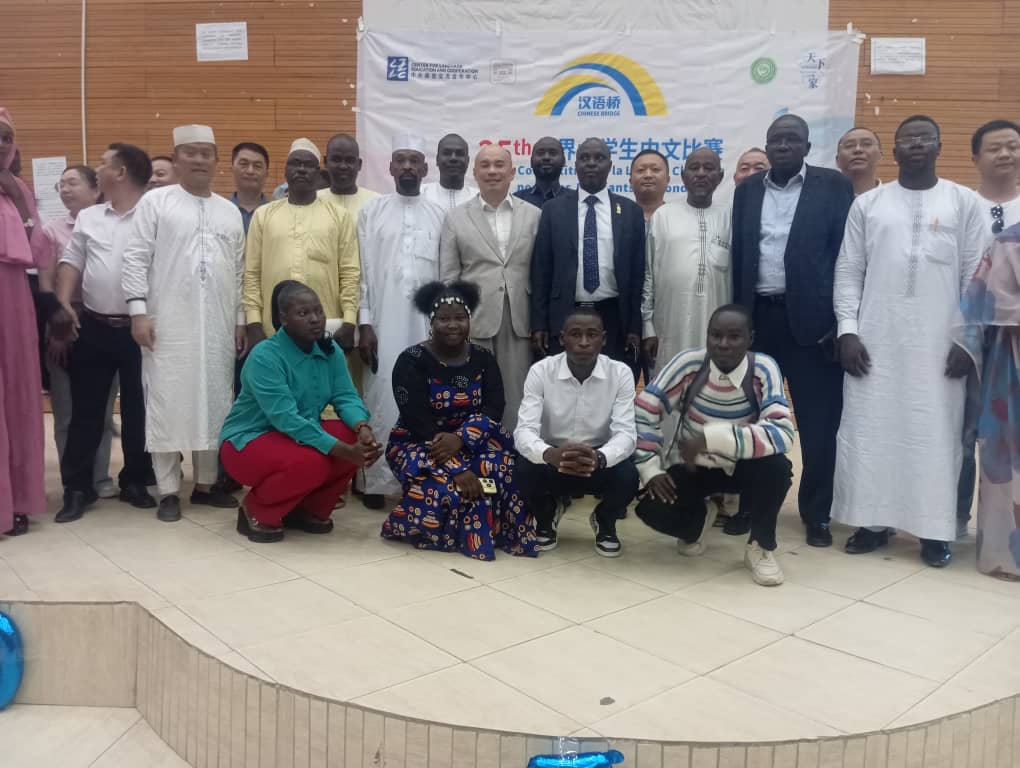
Cultural exchange: Chad and China strengthen ties through chinese language competition
The national finals of the Chinese language competition in Chad highlight a growing cultural and academic partnership between the two nations, celebrating six years of collaboration through the Confucius Institute.
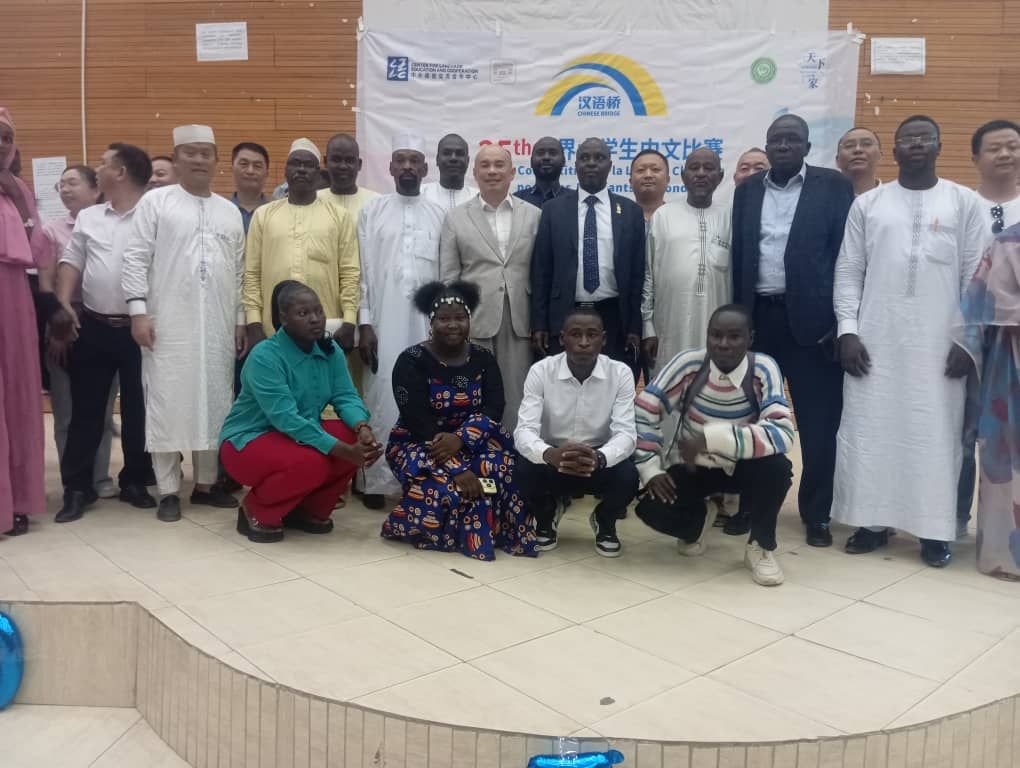
The national finals of the global Chinese language competition, co-hosted by the Chinese Embassy in Chad and the Confucius Institute at the University of N’Djamena (UNDJ), showcased linguistic talent and deepened cultural ties between the two nations. Held at the Mother-Child Human Sciences University in N’Djamena, the event emphasized academic excellence while fostering friendship and mutual understanding.
Mahamat Saleh Daoussa Haggar, President of the University of N’Djamena, described the competition as more than an academic milestone. In his address, he framed it as “a reflection of a changing world” and “a rising youth embracing global opportunities”. He highlighted how language learning and intercultural dialogue are opening doors for Chad, strengthening its role on the world stage. The President also paid tribute to young learners, stressing that education is the foundation of peace, stability, and progress. Chinese proverbs were shared to underscore the value of knowledge-sharing across generations.
The “Bridge to Chinese” competition, hosted locally by UNDJ, aims to deepen academic and cultural ties between Chad and China. It encourages students to explore new linguistic horizons and seize international opportunities. This year’s event also commemorated six years of the Confucius Institute at the University of N’Djamena—a milestone that has reshaped the institution. Far beyond language classes, the Institute has become a vibrant hub for cultural exchange, intellectual growth, and people-to-people connections.
Ambassador Wang Xining of the People’s Republic of China in Chad emphasized the role of language in bridging civilizations. Speaking at the event, he noted that hosting the finals in Chad underscores the importance of academic collaboration. The Ambassador highlighted the strong cooperation between the two countries, particularly in higher education, student exchanges, and youth training. He praised the support provided through scholarships, exchange programs, and Confucius Institute initiatives, calling language learning a tool for building bridges between societies.
He described the competition’s theme, “Bridge to Chinese,” not just as a linguistic challenge, but as a symbol of connection. “Language is a gateway,” he said, “and learning Chinese is an opportunity for young Chadians to step into a broader world.” The Ambassador also acknowledged the dedication of educators and students, calling them ambassadors of friendship who strengthen the bilateral relationship.
Both governments are aligning their development visions—China’s 15th Five-Year Plan with Chad’s Connexion 2030 strategy—to create new areas of practical cooperation. This alignment aims to drive modernization and deliver tangible benefits to the people of both nations.