
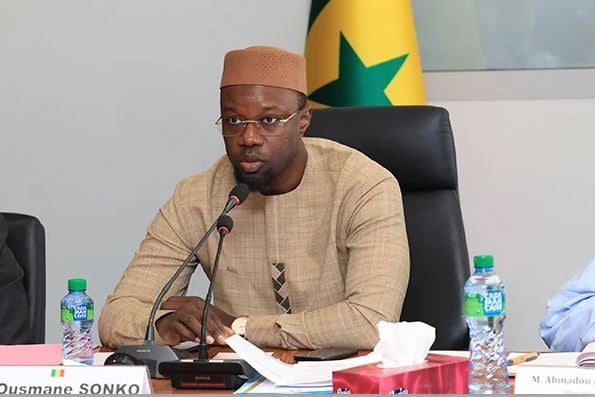
Prime Minister Ousmane Sonko unveils bold reforms for Senegal’s markets, agriculture and digital future
During a pivotal Council of Ministers meeting, Prime Minister Ousmane Sonko outlined a sweeping reform agenda aimed at revitalizing Senegal’s markets, boosting agricultural output and accelerating the digital transformation of public services. With a 57.5 billion FCFA investment plan, the government is doubling down on efficiency and coordinated action.
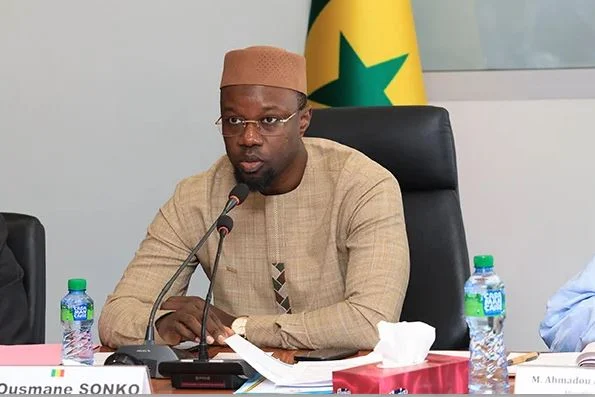
In a decisive move to strengthen Senegal’s economic foundations, Prime Minister Ousmane Sonko presided over a Council of Ministers session that set clear priorities for the coming months. The agenda centered on three pillars: revamping public markets, preparing for the 2026-2027 agricultural season and advancing the digitalization of government services.
Modernizing markets: a structural overhaul in the making
The Prime Minister opened by highlighting the urgent need to address the deteriorating state of Senegal’s public markets, many of which date back to the 1970s. He pointed to a troubling trend: between 2013 and 2024, 53 markets were destroyed by fires, exposing deep structural vulnerabilities in the sector.
To counter this, the government is rolling out the Market Modernization and Management Program (PROMOGEM), a five-year initiative that will restructure 528 existing markets and build 67 new, state-of-the-art facilities nationwide. Sonko also pushed for greater autonomy for PROMOGEM, including enhanced administrative and financial independence, backed by a 57.5 billion FCFA budget allocated over four years as part of the national public investment plan.
Agricultural season: transparency and digital tools take center stage
Turning to agriculture, the Prime Minister acknowledged progress in fertilizer and certified seed production, thanks in part to contributions from the Senegalese Institute of Agricultural Research (Institut Sénégalais de Recherches Agricoles, ISRA) and seed certification bodies. However, he stressed that challenges remain, including incomplete seed autonomy, inconsistent targeting of input beneficiaries, limited access to agricultural credit and insufficient storage capacity.
Sonko emphasized the need to scale up digital solutions already being tested in pilot areas such as Tivaouane and Nioro. He called for enhanced transparency in input pricing and a more equitable distribution system to ensure farmers across all regions have timely access to essential supplies.
Flood preparedness: proactive measures ahead of the rainy season
With the rainy season approaching, the Prime Minister called for urgent, cross-ministry action to mitigate flood risks. He urged immediate dredging of drainage systems, inspection of existing infrastructure and pre-positioning of emergency response teams. He also mandated the updating of local emergency plans, strengthening of early warning systems and a nationwide inter-ministerial simulation drill before June 15, 2026.
Senegal Connect Park: accelerating digital sovereignty
The government’s flagship Senegal Connect Park project received strong backing from the Prime Minister. Designed to bolster national digital sovereignty, innovation and the growth of the digital economy, the park is nearing 95% physical completion. However, financial and contractual hurdles have delayed its finalization.
Sonko directed relevant agencies to submit a realistic new completion timeline to the African Development Bank (AfDB) without delay. He also instructed expedited negotiations with the West African Development Bank (BOAD) and resolution of concession terms to keep the project on track.