
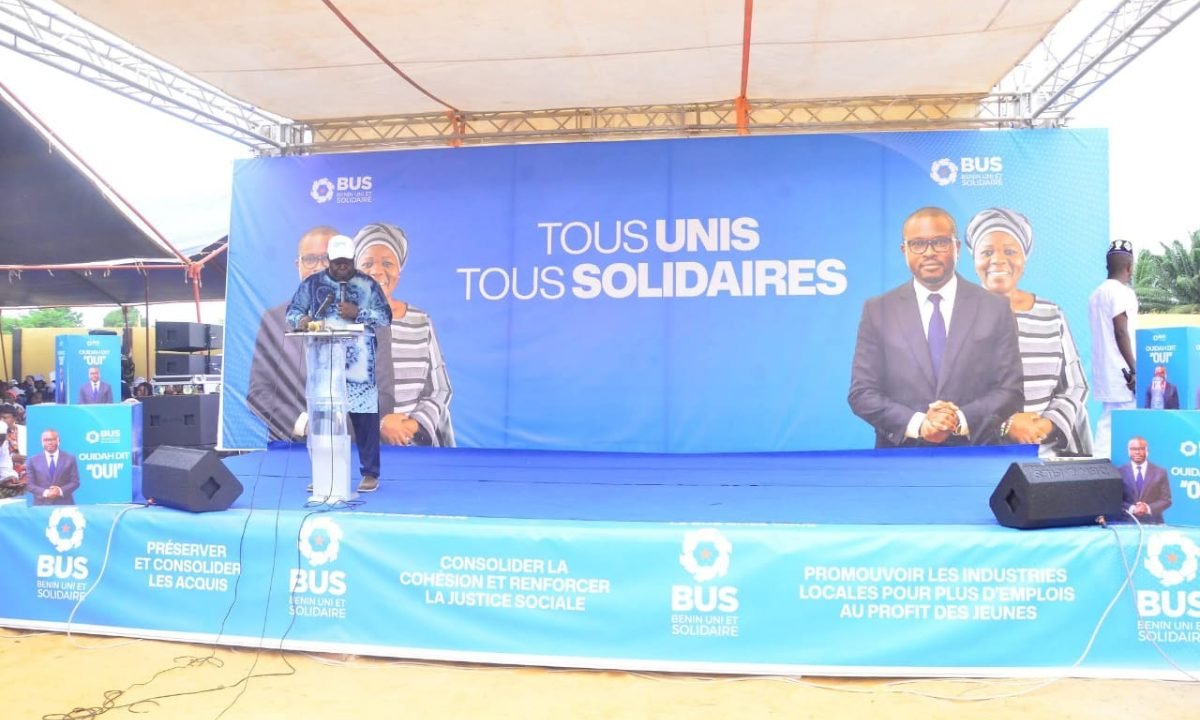
With Romuald Wadagni set to assume the presidency of Benin on May 24, 2026, diplomatic relations between Benin and Niger are showing early signs of potential improvement. The Nigerian Foreign Minister, Bakary Yaou Sangaré, has signaled a cautious willingness to reopen dialogue with Cotonou, despite the absence of formal contacts to date.
In a televised interview on Nigeria’s RTN public channel, Sangaré acknowledged the strained diplomatic ties that have persisted since the 2023 coup in Niger. He expressed hope that the incoming Beninese administration would take proactive steps to foster mutual trust and cooperation between the two neighboring countries.
diplomatic relations hit rock bottom in 2023
The deterioration of relations between Benin and Niger began in July 2023 following the military takeover in Niamey. Since then, the land border between the two nations has remained closed, severely disrupting trade and economic exchanges. This closure has had a ripple effect on regional commerce, particularly for landlocked Niger, which relies heavily on Benin’s port infrastructure for imports and exports.
The diplomatic fallout escalated further in January 2026, when both countries engaged in reciprocal expulsions of diplomats and suspended the operations of each other’s embassies. Accusations and counter-accusations have since dominated the discourse, with Niger alleging that Benin harbors individuals hostile to its military regime—a claim firmly denied by Cotonou.
economic stakes fueling tensions
Beyond political disagreements, economic factors continue to exacerbate the divide between Benin and Niger. The Wapco oil pipeline, a critical infrastructure project, remains a focal point of contention. The pipeline facilitates the export of Niger’s oil through Benin’s Sèmè-Kpodji terminal, making its uninterrupted operation vital for both nations. Delays or disruptions in this process could have far-reaching consequences for regional energy security and economic stability.
The closure of the land border has also placed a significant burden on populations and businesses operating along the Niamey-Cotonou corridor. Cross-border trade, which once thrived, now faces unprecedented challenges, impacting livelihoods and economic growth in both countries.
wadagni’s presidency: a chance for reconciliation
Romuald Wadagni’s election victory and upcoming inauguration present a pivotal opportunity for Benin-Niger relations to enter a new chapter. Analysts suggest that his administration may prioritize diplomatic normalization as a key objective, given the broader implications for regional stability in the Sahel.
Efforts to mediate the dispute were attempted in 2025 through a tripartite commission involving representatives from both governments and former Beninese heads of state. However, these initiatives did not yield tangible results. With Wadagni at the helm, the pressure is on to revive these talks and secure concrete progress.
A thaw in relations could unlock economic potential by restoring trade flows, enhancing security cooperation, and strengthening the West African Economic and Monetary Union (WAEMU). For a region grappling with multiple security and economic challenges, renewed ties between Benin and Niger could serve as a catalyst for broader regional integration.