
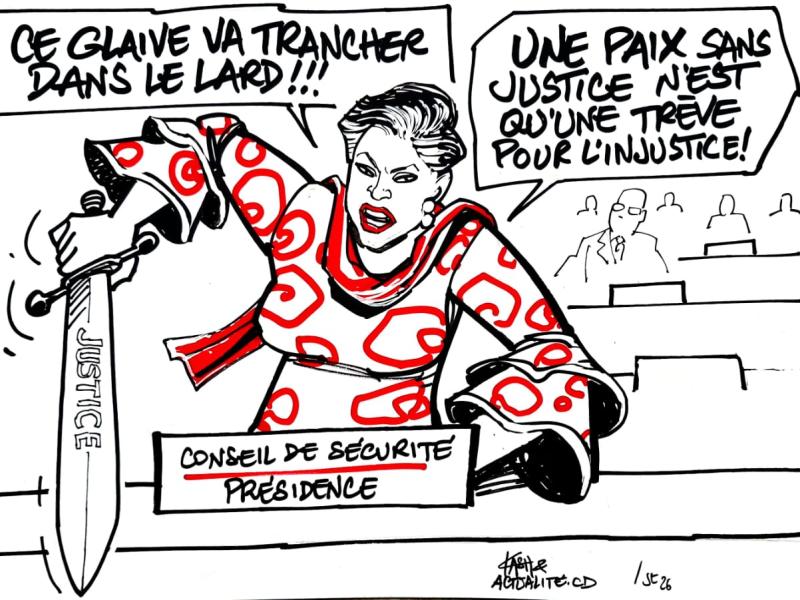
The Democratic Republic of the Congo (DRC) has taken center stage on the global diplomatic platform this July, assuming the rotating presidency of the United Nations Security Council. This historic milestone marks the country’s return to this influential position after more than three decades, with its last term dating back to 1990-1991. Since joining the UN Security Council as a non-permanent member for the 2026-2027 term, the DRC has rapidly positioned itself as a key player in shaping international peace and security discussions.
The presidency, guided by Ambassador Zénon Mukongo Ngay, operates under the guiding principle: “More peace, more justice, more development, and more multilateralism.” Kinshasa is leveraging this platform to align collective security with sustainable development goals, ensuring Africa’s voice resonates in global decision-making processes. The DRC’s leadership is not merely symbolic; it is an opportunity to spotlight the continent’s priorities on the world stage.
key priorities: natural resources, conflict-related sexual violence, and regional security
The DRC’s diplomatic agenda is anchored in three critical areas. First, the country is hosting a high-level public debate on July 22, 2026, focusing on the governance of natural resources. This session aims to expose how the illicit exploitation of minerals fuels armed conflicts, particularly in the eastern regions. By bringing this issue to the forefront, Kinshasa seeks to rally international support for stronger regulatory frameworks and accountability measures.
Second, the DRC is prioritizing the fight against conflict-related sexual violence. Earlier this month, Prime Minister Judith Suminwa Tuluka highlighted this issue during a UN session, underscoring the urgent need for justice and prevention. The DRC’s leadership is positioning itself as a champion for victims, pushing for global action to end impunity and protect vulnerable populations.
Third, while addressing broader international crises such as the situations in the Middle East, Sudan, and Haiti, the DRC is also using its presidency to draw attention to the humanitarian crisis unfolding in its eastern provinces. Despite its neutral role as council president, Kinshasa is seizing the moment to expose the human cost of ongoing aggression in the region. The goal is clear: secure stronger international sanctions against armed groups and their external backers, while mobilizing support for peacekeeping and humanitarian efforts.
a platform for africa’s voice and global solidarity
The DRC’s presidency comes at a time when Africa’s role in global governance is increasingly recognized as vital. By leading the Security Council, Kinshasa is not only advancing its own national interests but also amplifying the concerns of the entire continent. The presidency provides a rare opportunity to bridge the gap between African realities and global policy-making, ensuring that issues such as resource governance, conflict resolution, and sustainable development are not sidelined in international forums.
The DRC’s approach reflects a broader trend of African nations taking proactive roles in shaping the global agenda. As the presidency progresses, all eyes will be on how Kinshasa navigates the complexities of international diplomacy while addressing pressing regional challenges. The outcome of this term could set a precedent for future African leadership within the UN, reinforcing the continent’s influence in maintaining global peace and security.