
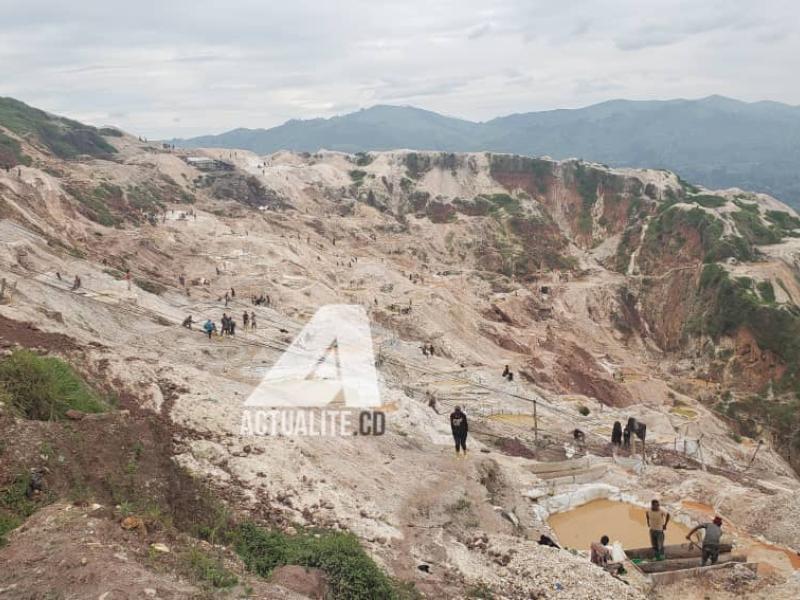
The Democratic Republic of the Congo (DRC) faces persistent challenges in eastern regions, where armed groups continue to exploit mineral resources despite international condemnation. Recent revelations highlight the ongoing crisis in Rubaya, a critical mining hub where rebel factions maintain control over a significant portion of the world’s coltan supply.
The coltan economy: a lifeline for armed groups
At the heart of the controversy lies Rubaya, a mining town in North Kivu province. French authorities have recently drawn attention to the situation, estimating that rebel factions, particularly the M23 movement, control between 15% and 30% of global coltan production from this site. This exploitation funds what French diplomats describe as an “illegal administration,” directly undermining DRC sovereignty.
The coltan extracted from these mines is a vital component in modern electronics, including smartphones and electric vehicle batteries. Its high value makes it a prime target for armed groups seeking to finance their operations through illicit trade.
International response: calls for stricter governance
During a United Nations meeting in New York, France’s ambassador to the UN, Jérôme Bonnafont, emphasized the link between natural resource exploitation and ongoing conflicts. He stated that the competition for control over these resources fuels instability and provides financial backing for armed groups across Africa, including the DRC.
“The link between natural resources and peace is at the core of many conflicts worldwide. In Africa, these riches are often pillaged to fund armed groups or external interests, perpetuating violence and suffering among civilian populations.”
Bonnafont highlighted the DRC’s initiative to bring this issue to the UN Security Council’s attention, aiming to strengthen governance frameworks and curb the financing of conflicts through illegal resource extraction.
Geopolitical tensions and diplomatic efforts
The situation in eastern DRC remains complex, with neighboring countries, particularly Rwanda, accused of supporting rebel groups. Diplomatic efforts, including agreements between Kinshasa and Kigali, have yet to yield tangible results on the ground. The stalled Doha process, aimed at facilitating dialogue between the DRC government and the M23 rebels, underscores the persistent gap between diplomatic progress and ground realities.
France has reiterated its support for UN Security Council Resolution 2773, which calls for an immediate ceasefire, the withdrawal of Rwandan forces from Congolese territory, and the dismantling of armed groups like the FDLR. The resolution also advocates for enhanced transparency and traceability in mineral exports to disrupt illicit financial flows.
A humanitarian and economic crisis
The exploitation of coltan in eastern DRC has far-reaching consequences. Local communities bear the brunt of the conflict, facing displacement, violence, and economic hardship. The international community continues to grapple with finding sustainable solutions to break the cycle of resource-fueled conflicts and restore stability to the region.
The ongoing crisis in Rubaya serves as a stark reminder of the urgent need for coordinated international action to address the root causes of instability in eastern DRC. Until then, the cycle of violence and exploitation shows little sign of abating.