
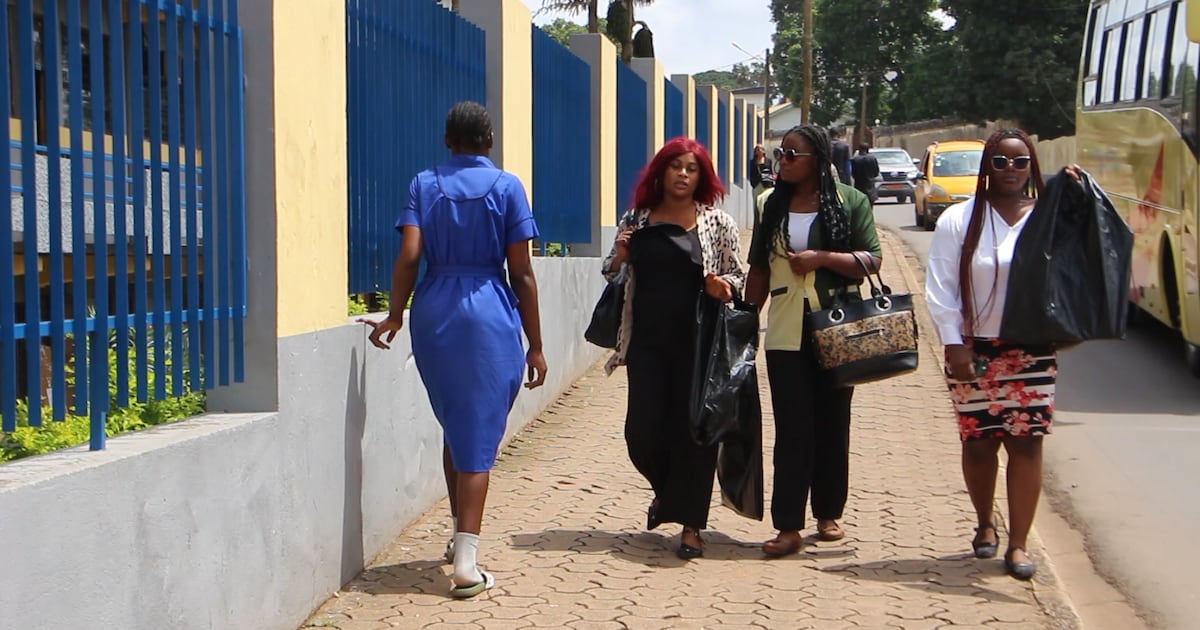
In Cameroon, the silent threat of hypertension claims more than 17,000 lives every year. This condition now impacts approximately one out of every three adults across the nation. The burden is particularly heavy in urban centers like Yaoundé and Douala, where prevalence rates significantly outpace those found in rural or semi-urban regions. Data reveals that nearly 39% of the population aged between 25 and 70 is currently living with high blood pressure.
Lifestyle factors driving the epidemic
At the Biyem-Assi district hospital in Yaoundé, cardiologist Dr. Djoumessi Romance observes a worrying trend. The surge in cases over recent years is largely attributed to shifting societal habits. Many citizens have transitioned to diets dangerously high in sodium and fats. Furthermore, the frequent consumption of alcohol and tobacco has reached alarming levels. When these lifestyle choices are combined with genetic predispositions and the natural aging process, the statistical curve of the disease continues to climb sharply.
A survivor’s testimony: the shock of a sudden stroke
The human cost of this medical crisis is visible throughout Yaoundé. In the Nkolbikok neighborhood of the sixth arrondissement, an octogenarian continues his recovery journey after a life-altering event. Faustin Onana Ebodé narrowly escaped death following a cerebrovascular accident.
Recalling the night his life changed, Faustin Onana Ebodé explained that he returned home around 10 PM feeling an intense internal pressure. Suddenly, he lost the ability to speak, and the entire left side of his body became paralyzed. It was only through the quick thinking of his wife, a professional nurse, that he reached a hospital in time. Before this crisis, he had no idea he was suffering from hypertension.
Prevention and early detection: the path forward
Health authorities, including the Ministry of Public Health and the Cameroon Cardiac Society, are intensifying their warnings. There is an urgent need for citizens to overhaul their daily habits and prioritize early screening. To prevent severe complications, medical experts recommend that every adult undergoes a blood pressure check at least twice a year. Early detection remains the most effective weapon against this silent killer.