
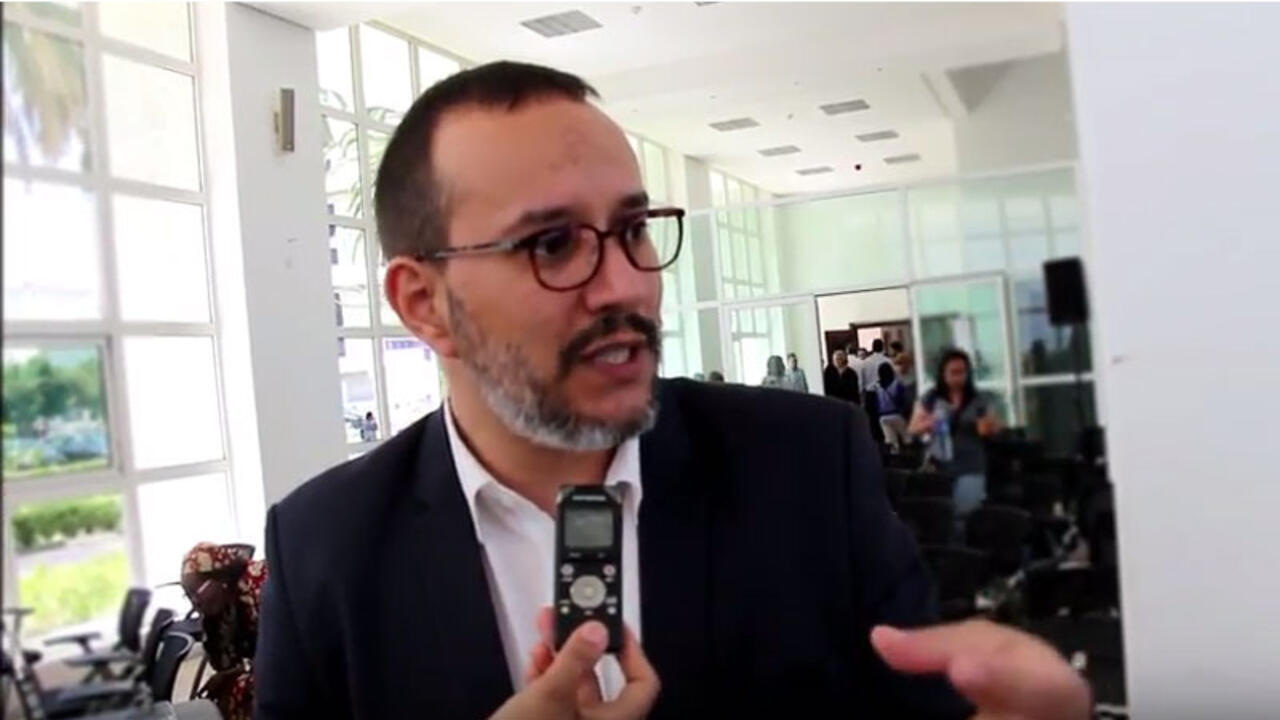
The French Prime Minister, Sébastien Lecornu, arrived in Morocco on Wednesday, July 15, leading a high-level delegation of twelve ministers. With several agreements expected to be signed during this visit, the trip also coincides with growing tensions over human rights concerns. Just days earlier, Moroccan authorities initiated legal proceedings against a prominent journalist and an artist, adding complexity to the visit. Mehdi Alioua, a sociologist at the International University of Rabat and holder of the Migration, Mobility, and Cosmopolitanism Chair, shares his insights on France-Morocco relations and their broader implications for sub-Saharan Africa.
France and Morocco: A subtle rivalry reshaping Africa’s geopolitics
Over the past few years, a quiet yet significant rivalry has emerged in sub-Saharan Africa between France and Morocco. Where France struggles to maintain its influence, Morocco has stepped in, investing heavily and expanding its diplomatic footprint. Is Morocco now an unexpected challenger to France’s traditional dominance in regions it once considered its own?
Mehdi Alioua: The answer is complex. On one hand, Morocco’s investments are not entirely independent. Many are joint ventures with French companies or coordinated with French diplomacy, reflecting strong South-South cooperation embedded in a broader North-South alliance between Rabat and Paris. On the other hand, Morocco has also pursued independent initiatives, including fully Moroccan-led investments and a bold African policy championed by the King, aimed at positioning Morocco as a key player for Africa rather than just in Africa.
Can Morocco mend France’s strained ties with the Sahel?
Relations between France and the countries of the Alliance of Sahel States (AES) have deteriorated, creating an opportunity for Morocco to increase its influence. Can Rabat help bridge this divide?
Morocco is indeed making a strong effort to play a constructive role. However, the issue isn’t simply one of strained relations between governments—it’s more nuanced. Take Mali, for example: the deterioration is political, driven by populist rhetoric from new regimes that have stoked anti-French sentiment. But this isn’t the approach Morocco takes in its diplomacy.
Morocco and the Sahelian countries share millennia-old ties, predating Islam and deepening over centuries. A well-known example is the Almoravid dynasty, whose name gave rise to the French word marabout (al-mourabitoune), originating from the Sahel and ruling from Aghmat, near Marrakech, an empire stretching from Spain to Guinea and present-day Mali. These historical bonds give Morocco a unique diplomatic advantage—it understands how to navigate the Sahara and maintain long-standing relationships.
Human rights concerns and Morocco’s evolving image
Recently, Moroccan authorities arrested two prominent voices: Franco-Moroccan journalist Ali Lmrabet and rapper Mehdi Black Wind. Should these developments raise concerns?
Any arrest of journalists or artists is concerning. However, in Morocco, these cases are handled through the justice system, which operates independently in principle. Both individuals have been released but remain under investigation. While details of the rapper’s case are still unclear, human rights organizations and legal associations are already mobilizing to defend them. Justice will present its charges, and the legal process will unfold. Morocco has made significant progress in upholding human rights over the years, though occasional lapses into old habits still occur.
Is Morocco as attractive as France in the eyes of sub-Saharan Africans?
No, not yet. However, Morocco is gaining appeal. The government is actively working to strengthen its image, as evident in its substantial investment in hosting the African Nations Cup. Yet this strategy carries risks. While many young Moroccans question the prioritization of stadiums over pressing domestic issues like poverty, the continent’s reaction to the tournament’s final and a dispute with Senegal revealed how quickly perceptions can shift. Statements claiming Moroccan pitches rival European quality—without humility—have also alienated parts of African public opinion. Morocco’s appeal is growing, but so is skepticism. Its status as a lower-middle-income country limits its soft power compared to France. Only when Morocco achieves greater economic prosperity will it match, or possibly surpass, France’s global appeal.