
France reaffirms backing for DRC’s natural resource diplomacy at UN
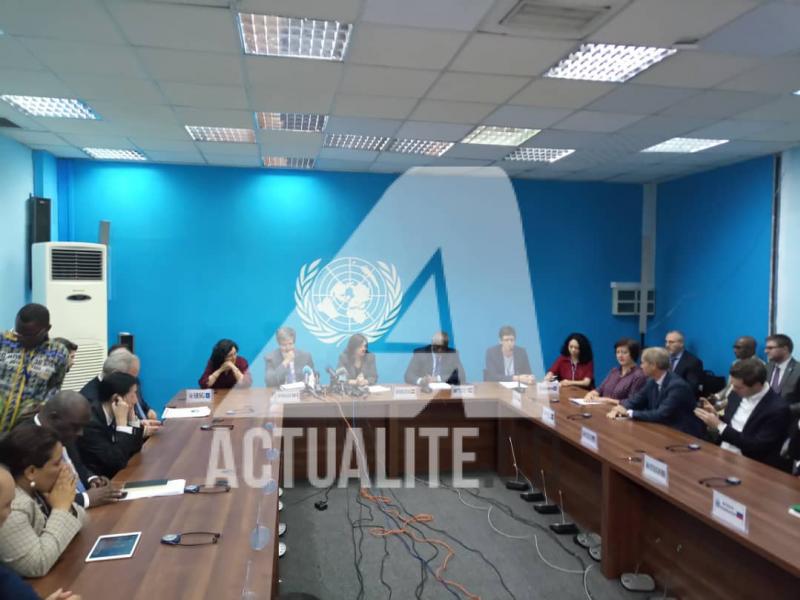
In a significant diplomatic development, France has publicly endorsed the Democratic Republic of Congo’s (DRC) ambitious initiative to elevate the governance of natural resources as a cornerstone of international peace and security frameworks. The announcement came during a high-level meeting at the United Nations headquarters in New York, where DRC’s leadership presented its vision for transforming resource management into a strategic tool for sustainable development.
The DRC, currently presiding over the UN Security Council for July, has made this issue a top priority during its tenure. Through a series of diplomatic engagements, Kinshasa is pushing for a fundamental shift in how the international community addresses the exploitation of natural resources—particularly in conflict zones. The centerpiece of this campaign will be a UN Security Council debate scheduled for July 22, chaired by President Félix Tshisekedi, focusing on the theme: “Natural Resource Governance: The Foundation for Peace, Security and Prosperity.”
Kinshasa’s crusade for a unified international framework
The Congolese government, led by Foreign Minister Thérèse Kayikwamba Wagner, has identified a critical gap in existing international mechanisms governing natural resources. Current frameworks—including mineral traceability systems, corporate due diligence standards, and conflict financing prevention measures—are described as fragmented and insufficiently coordinated. The DRC is advocating for a more integrated approach that would harmonize these efforts while clearly establishing natural resource governance as a matter of peace and security, rather than purely economic consideration.
“Natural resources should not be treated merely as economic assets,” stated a senior diplomat involved in the initiative. “They represent strategic pillars that can either fuel conflicts or serve as catalysts for sustainable development when managed responsibly.”
France aligns with DRC’s vision
Jérôme Bonnafont, France’s Permanent Representative to the United Nations, delivered a strong statement of support during the meeting. He emphasized that Paris fully backs Kinshasa’s efforts to strengthen and unify international initiatives aimed at ensuring the responsible use of natural resources.
“Natural resources must become instruments of equitable development that benefit local populations and the countries that host them,” Bonnafont declared. “They must be protected from exploitation by predatory actors and from being diverted for malicious purposes. France is fully committed to contributing to the Security Council’s work as it supports the high-level debate that the DRC will host next week under President Félix-Antoine Tshisekedi’s leadership.”
The French envoy’s remarks underscore Paris’ alignment with DRC’s broader diplomatic strategy, which has included recent partnerships with the United States on critical minerals and a landmark agreement with Rwanda aimed at de-escalating tensions in eastern DRC.
Context and ongoing challenges
The timing of this diplomatic push comes amid persistent security challenges in eastern DRC, where armed groups continue to operate despite regional agreements. The AFC/M23 rebellion, which Kinshasa, the UN, and several international partners accuse Rwanda of supporting, maintains control over key cities including Goma and Bukavu. Diplomatic efforts, including Qatar-mediated talks in Doha, have so far failed to yield lasting solutions.
This discrepancy between diplomatic progress and ground realities highlights the urgent need for a more cohesive international approach to resource governance—a cause that the DRC is championing at the highest levels of the United Nations.