
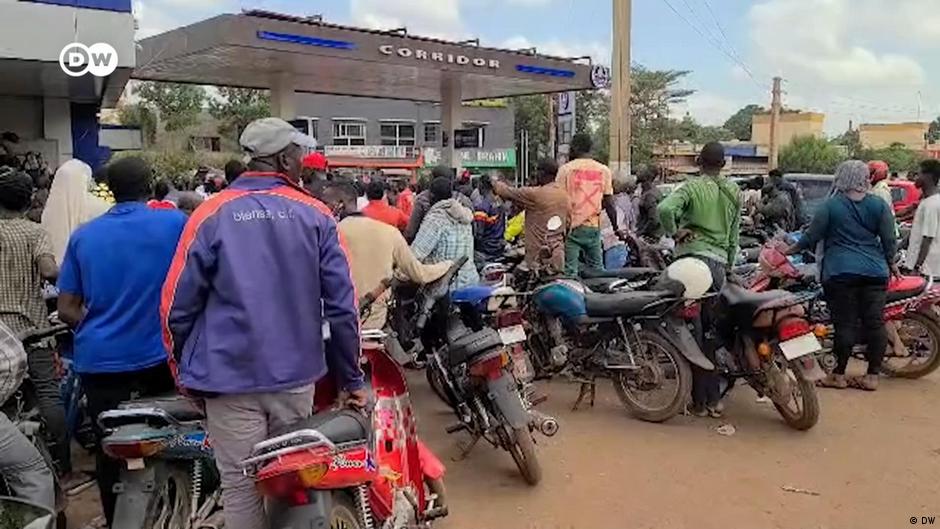
Fuel shortages paralyze Ségou’s economy in central Mali
For nearly nine months, Ségou has been grappling with a chronic fuel shortage that shows no signs of easing. The crisis has crippled local businesses, disrupted transportation, and pushed prices to unprecedented levels in the informal market.
Infrequent deliveries strain the system
Located over 200 kilometers northeast of Bamako, Ségou relies entirely on escorted fuel convoys from the Malian Armed Forces. These critical supply runs occur only two to three times monthly due to persistent security threats along the routes.
Upon arrival, a dozen tanker trucks typically unload their cargo. The majority of the fuel is prioritized for industrial producers and Énergie du Mali (EDM), the national electricity utility. Only three to four trucks trickle down to local gas stations, which are left with empty tanks within 48 hours.
Residents report frequent stockouts and call for more consistent deliveries to prevent the crisis from worsening.
Black market thrives amid scarcity
As soon as gas stations run dry, informal vendors step in to fill the void. In multiple neighborhoods across Ségou, black market prices for a liter of gasoline now range between 2,000 and 5,000 West African CFA francs—far exceeding regulated prices.
Community members question the origin of the fuel flooding the black market, suspecting profiteers are exploiting the crisis with little oversight. Despite visible operations in broad daylight, authorities appear unable to curb the illegal trade.
Local economy grinds to a halt
The fuel shortage has sent shockwaves through Ségou’s economy. Businesses along the main streets operate at reduced capacity, while public transportation fares have surged.
Shared tricycles, locally known as katakatani, now charge 200 francs CFA per ride—double the usual 100 francs CFA. This price hike disproportionately affects students, teachers, and daily wage workers who rely on these affordable transport options.
The Malian Armed Forces have intensified patrols and roadblocks to intercept vehicles transporting large quantities of fuel to distant areas. Yet, these measures have done little to alleviate the suffering of Ségou’s residents, who continue to demand a sustainable resolution to the crisis that threatens to further destabilize the local economy.